

What ingredients should sensitive skin avoid
Sensitive skin reacts to a handful of common ingredients. Fragrance, including essential oils, is a top trigger. Denatured alcohol high on a list can be very drying. Sulfates like sodium lauryl sulfate can strip the skin. High concentrations of exfoliating acids often sting. Physical scrubs add more irritation. These ingredients disrupt the skin barrier and spark reactions.
The safer path is short, simple formulas. CeraVe Hydrating Facial Cleanser is fragrance-free and gentle. La Roche-Posay Cicaplast B5 Serum helps soothe stressed, sensitive skin. CeraVe Moisturizing Cream supports the barrier with ceramides. Look for products labeled for reactive or sensitive skin. Fewer ingredients usually mean fewer surprises.
Patch testing prevents most bad reactions. Try a new product on your inner arm for a few days. Watch for redness, itching, or stinging. Introduce one product at a time, not several. That way you can spot the ingredient that bothers you. Slow and careful protects sensitive skin. Simplicity is your best tool with sensitive skin. A short routine has fewer ingredients to react to. Start with a gentle cleanser and a basic moisturizer. Add sunscreen, and stop there for a while. Only introduce new ingredients once your skin is calm. Boring, minimal routines are often the kindest ones.
Why fragrance and denatured alcohol bother sensitive skin
Fragrance is designed to be noticed, and skin often notices badly. It is a frequent cause of allergic and irritant reactions. Sensitive skin does best when it avoids added fragrance. Denatured alcohol is the next concern. When denatured alcohol leads a formula, it strips moisture fast. That leaves the barrier dry and reactive.
Sulfates deserve attention too. Strong sulfates create lots of foam but can over-clean. Sulfates strip natural oils and leave skin tight. Paula's Choice Skin Recovery Enriched Calming Toner skips these harsh extremes. Choose sulfate-free, fragrance-free cleansers for daily use. Gentle formulas keep the barrier intact. Watch out for hidden sources of these ingredients too. Essential oils count as fragrance for reactive skin. Some natural products still contain strong sulfates. Toners may hide denatured alcohol high on the list. Read labels even on products marketed as gentle. A short ingredient list is a good sign for reactive skin.
Even careful people sometimes react, so keep a soothing backup. Aquaphor Healing Ointment can protect very dry, irritated patches. EltaMD UV Physical Broad-Spectrum SPF 41 offers gentle mineral sun protection. If reactions are frequent or severe, see a dermatologist. They can check for allergies these ingredients may cause. Sensitive skin thrives on simple, calm routines. Repeated reactions are worth taking seriously. Ongoing redness, itching, or burning is a signal, not a nuisance. A dermatologist can run patch tests for true allergies. That helps you learn exactly which ingredients to avoid. Until then, keep fragrance, sulfates, and denatured alcohol off your shelf. Fewer products almost always means fewer flare-ups. Rebuild slowly after any reaction settles. Add back one product at a time, spaced out. Watch for fragrance, sulfates, or denatured alcohol on labels. A calm, minimal routine is the safest long-term plan for sensitive skin. Keep it simple and steady.
- Avoid fragrance and essential oils on sensitive skin.
- Skip products where denatured alcohol leads the formula.
- Choose sulfate-free, gentle cleansers.
- Patch test new ingredients before full use.
- Keep the routine short; fewer ingredients means fewer reactions.
Affiliate disclosure: We may earn a commission from qualifying purchases made through links on this page, at no extra cost to you. Some links on this page are affiliate links.
Recommended skincare routine for sensitive skin
Editor-picked products from our guides.
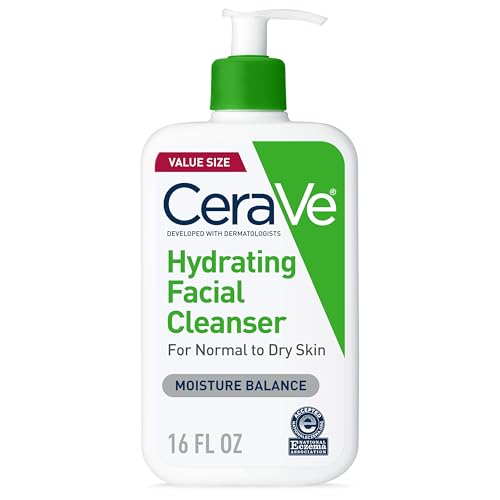
Hydrating Facial Cleanser
CeraVe
Three ceramides and hyaluronic acid sit in a fragrance-free, non-foaming formula. It's a calm opener for a sensitive-skin routine. It removes the day without disturbing what comes after it.
- Ceramide-based formula supports rather than strips the skin barrier
- Fragrance-free and non-foaming, so it won't set off the rest of the routine
- Inexpensive enough to use generously, morning and night
- Doesn't fully break down heavy sunscreen or makeup on its own, so double-cleansing days may need an extra first step
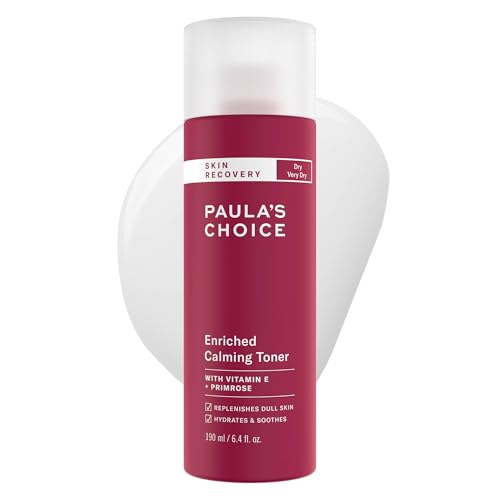
Skin Recovery Enriched Calming Toner
Paula's Choice
It's alcohol-free and built around ceramides and an antioxidant blend for compromised, reactive skin. Think of it as a soft second layer of hydration, not a pore-tightening toner.
- Alcohol-free and fragrance-free, unlike most mainstream toners
- Ceramide and antioxidant formula reinforces rather than disrupts the barrier
- Lightweight liquid layers cleanly under serum without pilling
- This step is genuinely optional — skin that's already well hydrated from cleanser and serum may not notice a difference from adding it

Cicaplast B5 Serum
La Roche-Posay
Panthenol (vitamin B5) and madecassoside, a centella asiatica derivative, are both associated with calming visible redness and supporting barrier repair. This serum leads with both in a fragrance-free base.
- Centella-derived madecassoside and panthenol target redness and barrier repair specifically
- Lightweight gel-serum texture layers easily under a heavier moisturizer
- Widely available and priced well below most "cica" serum alternatives
- Can feel slightly tacky for a minute or two after application before it fully absorbs