









Why Patch Testing Matters More for Sensitive Skin
Patch testing exists because ingredient lists can't tell you how your specific skin will react — only how a product is formulated. For sensitive, reactive, or barrier-compromised skin, applying a new product straight to the face skips the one step that catches a problem before it's visible somewhere that matters. It takes a few extra days. But it's the difference between finding out a product doesn't agree with you on a small patch of skin, versus finding out across your entire face after a week of daily use.
Where to Test: The Inner Forearm and Other Options
The inner forearm is the standard choice. Skin there is thinner and more reactive than most of the body, closer to facial skin than skin on the back of the hand. It's also easy to keep dry and undisturbed for several days. Behind the ear is a reasonable second option, especially for testing something that will be used near the hairline or jaw. Testing on the back of the hand, or somewhere with thicker, callused skin, tends to under-report reactions. That skin doesn't respond the way facial skin does.
How to Run a Patch Test for an Irritant Reaction
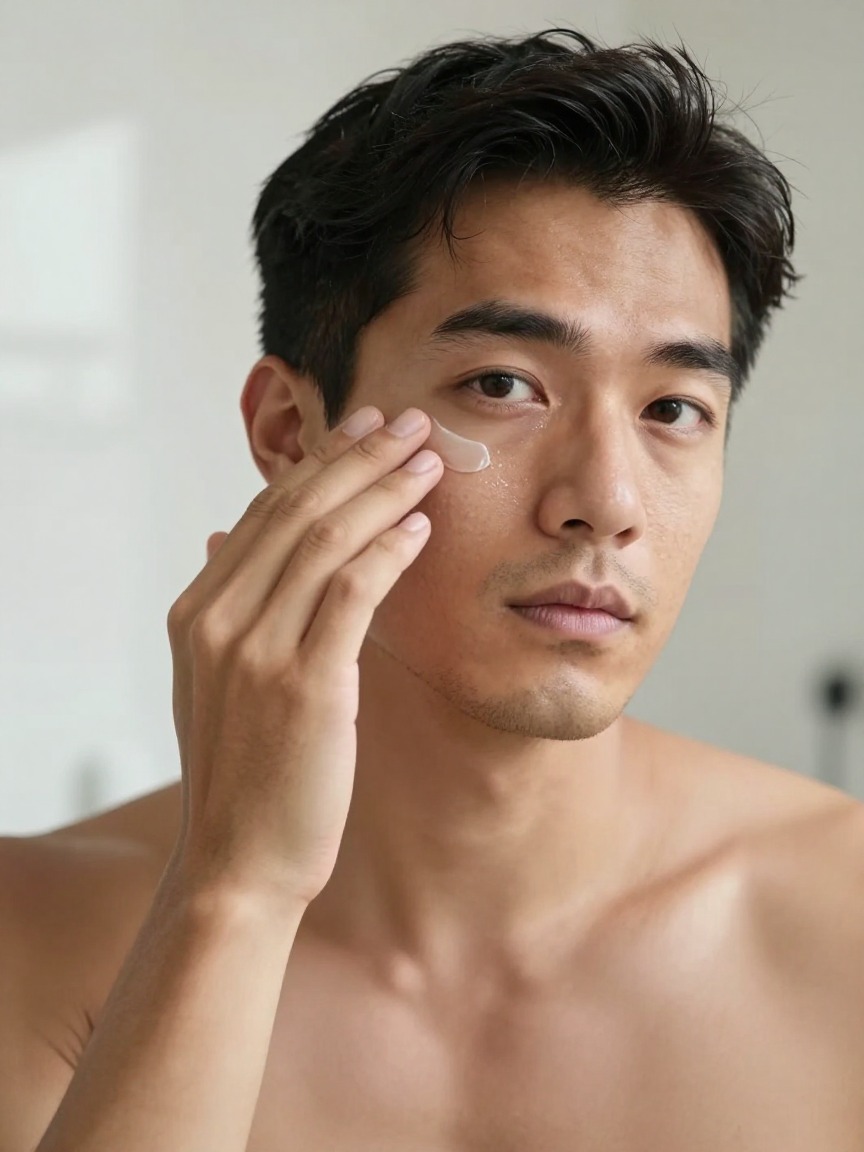
Apply a small amount of the product to a coin-sized patch of skin, undisturbed by clothing or frequent washing, once a day for three to five days. Leave it uncovered rather than bandaging it — occlusion can trap ingredients against skin in a way that doesn't reflect normal use. Check the area each morning before reapplying. Redness, itching, small bumps, or a burning sensation are all signals to stop. No reaction after five days is a reasonable, though not perfect, sign the product is unlikely to cause an irritant reaction on facial skin.
The Repeat Open Application Test (ROAT) for Allergic Contact Dermatitis
A single patch test over a few days mostly catches irritant reactions — the kind that show up fast because an ingredient is simply too strong or too abrasive for your skin. It's less reliable for allergic contact dermatitis. That's a delayed immune response that can take one to two weeks of repeated exposure to appear. The repeat open application test, or ROAT, applies the product to the same small patch of skin twice a day for one to two weeks. It's the more thorough version. It's worth doing for any product going into daily, long-term use, especially serums and moisturizers that stay on skin rather than rinsing off.
Leave-On Products vs. Rinse-Off Products
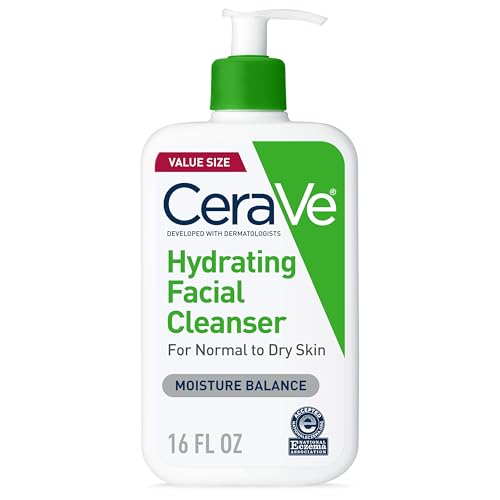
Rinse-off products — a fragrance-free cleanser like CeraVe's, exfoliating pads used briefly, some masks — carry lower risk because they spend less time in contact with skin. A shorter patch test of a few days is usually enough for these. Leave-on products — a hydrating toner like Paula's Choice, a serum like the ones from La Roche-Posay, a moisturizer, sunscreen — stay on skin for hours, so ingredients have far more time to cause a reaction. That's exactly why these deserve the longer, ROAT-style test rather than a quick three-day check.
What Counts as a Reaction: Redness, Itching & Burning
Not every response is a reason to abandon a product. Mild, brief warmth right after application that fades within a few minutes usually isn't concerning. What is concerning: redness that persists or spreads, itching, small bumps or a rash, stinging or burning that doesn't ease up, or any swelling. If any of those appear during patch testing, stop using the product. Don't push through to see if it "calms down" — that's how a manageable patch-test reaction turns into a full-face problem.
After a Successful Patch Test on a New Product
Clearing a patch test doesn't mean applying a new product to the entire face at full strength immediately. Introduce it on its own, not stacked with other new products, for the first week. Pay attention to how skin responds over the following days. Facial skin is thinner and more exposed to sun and friction, so it doesn't always behave exactly like the forearm. If skin stays calm for a week or two, it's reasonable to consider the product part of the regular routine.
When Patch Testing Isn't Enough: See a Dermatologist or Allergist
Patch testing reduces risk; it doesn't eliminate it, and it can't diagnose an underlying condition. You might be reacting to a wide range of products despite careful testing. Or reactions might be severe — swelling, blistering, a spreading rash. Either pattern is worth bringing to a dermatologist or allergist. They can run professional patch testing with a standardized panel of allergens, something a home test on the forearm can't replicate.