Skip to content
Routines & Skin Concerns · Ranked roundup

Best Skincare Routine for Sensitive Skin of 2026

A sensitive-skin routine works best as a short list, not a shopping cart. Each step gets one gentle, fragrance-free product, chosen to support the skin barrier rather than test it. We picked one real product for each stage of a basic AM/PM routine — cleanse, tone, treat, moisturize, protect, and seal. Each pick is based on formulation and how well it's tolerated by reactive, rosacea-prone, and eczema-adjacent skin over time. Swap individual products as needed, but keep the order and the barrier-first logic behind it.

Affiliate disclosure: We may earn a commission from qualifying purchases made through links on this page, at no extra cost to you. Some links on this page are affiliate links.

The full lineup

One strong pick for every step

Step 1: Cleanse #1
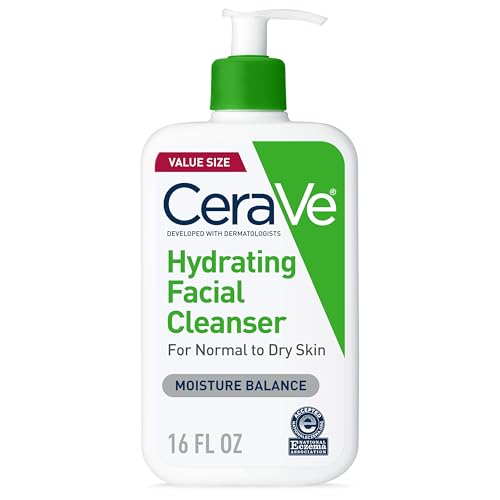
Hydrating Facial Cleanser
Anyone building a barrier-first sensitive-skin routine, especially dry-to-normal skin also using actives elsewhere

Hydrating Facial Cleanser

CeraVe

Three ceramides and hyaluronic acid sit in a fragrance-free, non-foaming formula. It's a calm opener for a sensitive-skin routine. It removes the day without disturbing what comes after it.

Ceramide-based formula supports rather than strips the skin barrier
Fragrance-free and non-foaming, so it won't set off the rest of the routine
Inexpensive enough to use generously, morning and night
Doesn't fully break down heavy sunscreen or makeup on its own, so double-cleansing days may need an extra first step
Step 2: Tone (Hydrating, Optional) #2
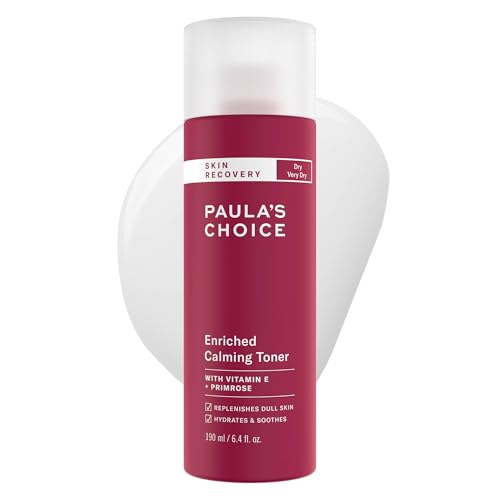
Skin Recovery Enriched Calming Toner
Sensitive or redness-prone skin that wants an extra hydration layer before serum, not a traditional astringent toner

Skin Recovery Enriched Calming Toner

Paula's Choice

It's alcohol-free and built around ceramides and an antioxidant blend for compromised, reactive skin. Think of it as a soft second layer of hydration, not a pore-tightening toner.

Alcohol-free and fragrance-free, unlike most mainstream toners
Ceramide and antioxidant formula reinforces rather than disrupts the barrier
Lightweight liquid layers cleanly under serum without pilling
This step is genuinely optional — skin that's already well hydrated from cleanser and serum may not notice a difference from adding it
Step 3: Treat (Soothing Serum) #3
Cicaplast B5 Serum
Reactive, sensitized, or barrier-compromised skin that needs calming before moisturizer, including skin recovering from over-exfoliation

Cicaplast B5 Serum

La Roche-Posay

Panthenol (vitamin B5) and madecassoside, a centella asiatica derivative, are both associated with calming visible redness and supporting barrier repair. This serum leads with both in a fragrance-free base.

Centella-derived madecassoside and panthenol target redness and barrier repair specifically
Lightweight gel-serum texture layers easily under a heavier moisturizer
Widely available and priced well below most "cica" serum alternatives
Can feel slightly tacky for a minute or two after application before it fully absorbs
Step 4: Moisturize #4
Moisturizing Cream
Dry-to-normal sensitive skin that needs a rich, barrier-repairing moisturizer for both morning and night

Moisturizing Cream

CeraVe

It's the same three-ceramide, hyaluronic acid formula as the CeraVe cleanser, but in a richer cream. It releases hydration over several hours instead of sitting on the surface.

Ceramide and hyaluronic acid formula matches the rest of a barrier-first routine
Rich enough for eczema-prone or very dry sensitive skin without feeling occlusive
Large jar size makes it economical for twice-daily use
Comes in a jar rather than a pump, so scooping with fingers isn't ideal for very reactive or broken skin — use a small spatula if that's a concern
Step 5: Protect (AM Mineral SPF) #5
UV Physical Broad-Spectrum SPF 41
Sensitive, rosacea-prone, or post-procedure skin that reacts to chemical sunscreen filters

UV Physical Broad-Spectrum SPF 41

EltaMD

It's built entirely on zinc oxide and titanium dioxide, not chemical UV filters. That makes it a consistently recommended mineral sunscreen for reactive skin. It sits well under makeup without pilling.

100% mineral filter formula avoids the chemical sunscreen ingredients that most often trigger reactions
Sheer, lightweight finish that doesn't feel heavy layered over the rest of the routine
Broad-spectrum SPF 41 in a fragrance-free, non-comedogenic formula
Can leave a faint white cast on deeper skin tones, and it costs more per ounce than most drugstore mineral sunscreens
Step 6: Seal (PM Barrier Repair) #6
Healing Ointment
Very dry, cracked, or barrier-compromised skin that needs extra occlusion overnight, used on cheeks or flare spots rather than the whole face

Healing Ointment

Aquaphor

It's a petrolatum-based occlusive with no fragrance or active ingredients. It locks in everything applied underneath it. It's a long-standing recommendation for barrier repair on eczema-prone or over-exfoliated skin.

Pure occlusive barrier with no fragrance, essential oils, or active ingredients to react to
Genuinely effective at reducing overnight water loss on very dry or damaged patches
One tube lasts a long time since only a thin layer is needed
Thick, greasy texture isn't meant for the whole face nightly — best used on drier zones or during flares, not as a daily all-over step

Product prices and availability are accurate as of the date/time indicated and are subject to change. Any price and availability information displayed at the time of purchase will apply to the purchase of this product.

How we chose the best skincare routine for sensitive skin

Every product here is judged on our five-part rubric — formulation quality, the strength of the evidence behind its key actives, texture and daily wearability, value, and the pattern of real long-term user experience. We don’t publish fabricated star ratings, and we flag at least one honest downside on every pick. Anything genuinely medical is referred to a dermatologist.

Full methodology

What to look for in skincare routine for sensitive skin

Why This Fragrance-Free, Barrier-First Routine Has Exactly Six Steps

Sensitive skin does better with fewer variables, not more. Every product added is another chance for fragrance, a preservative, or an active ingredient to trigger a reaction. So a barrier-first routine keeps each stage to one job: clean, hydrate, soothe, moisturize, protect from sun, and seal in moisture overnight. There's no room here for exfoliating acids, retinoids, or vitamin C serums. Those can come later, one at a time, once skin has stayed calm on the basics for a few weeks.

Ceramides, the Skin Barrier & Why This Routine Leads With Them

The skin barrier is the outermost layer that keeps water in and irritants out. It's held together by ceramides, cholesterol, and fatty acids. When it's compromised — from over-cleansing, harsh actives, weather, or an underlying condition — skin becomes reactive to almost everything, including products it used to tolerate. A barrier-first routine prioritizes ceramide- and humectant-rich formulas over anything marketed purely for "results." A stable barrier is what makes every other product work better later.

Hyaluronic Acid, Panthenol & Madecassoside: The Soothing Ingredients to Look For

Three ingredients do most of the calming work in this routine. Hyaluronic acid holds water in the skin without adding irritation. Panthenol (vitamin B5) supports barrier repair and eases visible redness. Madecassoside, a centella asiatica derivative, works alongside panthenol to calm reactive, sensitized skin. Look for these on the label before reaching for anything marketed as an active treatment.

The Optional Hydrating Toner Step

Toner isn't required for sensitive skin. A lot of traditional toners — the astringent, alcohol-based kind — do more harm than good. If you include one, choose a hydrating, alcohol-free formula that adds moisture and soothing ingredients before serum. Skip anything marketed for "tightening pores" or exfoliation.

Mineral Sunscreen, Zinc Oxide & Calming Redness in Rosacea-Prone Skin

Sunscreen matters most for reactive and rosacea-prone skin, since heat and UV are common triggers for flushing and redness. A mineral sunscreen built on zinc oxide and titanium dioxide sits on the surface rather than reacting chemically with skin, which is why it's less likely to sting or trigger a flare.

Occlusive Sealing After Your Moisturizer for Eczema-Prone or Very Dry Skin

An occlusive step — a petrolatum-based ointment with no fragrance or actives — locks in hydration overnight, on top of your moisturizer. It's most useful for eczema-prone, cracked, or very dry skin, not as a nightly step for every skin type.

Where to Adjust This AM/PM Routine for Your Skin

  • Very dry or eczema-prone skin: lean into the richer cream moisturizer and the overnight occlusive seal; skip the toner if it doesn't add noticeable hydration
  • Rosacea-prone or flush-prone skin: prioritize the soothing serum and mineral sunscreen, since heat and UV are common triggers
  • Combination-sensitive skin: use the seal step only on drier zones like the cheeks rather than the whole face
  • Skin currently reacting or flaring: drop back to cleanser, moisturizer, and SPF only until things calm down

Shopping for Low-Reaction Formulas Without Overpaying

With sensitive skin, the shortest ingredient list usually wins, and that rarely tracks with price. A basic CeraVe cleanser and cream deliver ceramides and a minimal formula for very little, while the money is better spent on a mineral sunscreen you can tolerate, since zinc-based EltaMD-style filters are where reactive skin most often struggles to find a comfortable option. An occlusive like Aquaphor is inexpensive and does one job well.

Ignore "hypoallergenic," "dermatologist-approved," and "natural" on the front label — none are regulated, and botanical extracts and essential oils are among the more common triggers for sensitive skin despite the gentle image. "Fragrance-free" is more meaningful than "unscented," which can still contain masking fragrance. Where possible, buy from a retailer with a forgiving return policy and start with the smallest size, so a formula that doesn't agree with your skin costs you as little as possible before you move on. A quick test on the inner arm over a few days is cheaper than returning a full-size bottle you've already opened.

Retinoids, Patch Testing & When to Slow Down

If a product in this routine stings, burns, or leaves lasting redness, stop using it. Don't push through hoping it settles. Patch test any new product first, and introduce retinoids or other actives only once this base routine has been stable for weeks. We're reviewers, not dermatologists. Persistent reactions, a spreading rash, or symptoms that don't resolve after removing the trigger are worth a dermatologist visit rather than more product-swapping on your own.

Skincare Routine for Sensitive Skin: your questions, answered

What is the best routine for sensitive skin?
What ingredients should sensitive skin avoid?
How do you calm reactive skin?

Related products & guides

Routines & Skin ConcernsBest Skincare Routine Order & Steps

See our ranked picks and buying guide.

Routines & Skin ConcernsBest Skincare Routine for Oily Skin

See our ranked picks and buying guide.

Routines & Skin ConcernsBest Skincare Routine for Dry Skin

See our ranked picks and buying guide.

Routines & Skin ConcernsBest Skincare Routine for Combination Skin

See our ranked picks and buying guide.

Routines & Skin ConcernsBest Skincare Routine for Acne-Prone Skin

See our ranked picks and buying guide.

Routines & Skin ConcernsBest Anti-Aging Skincare Routine

See our ranked picks and buying guide.