

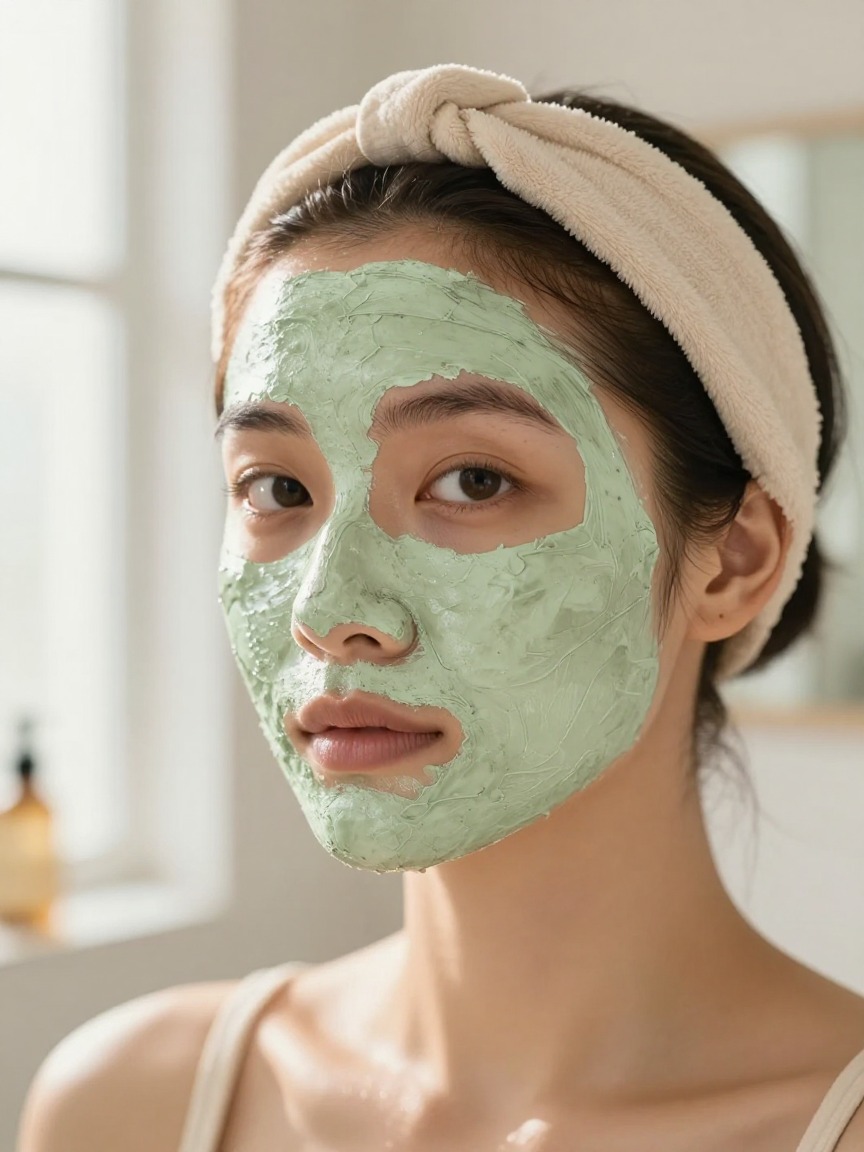
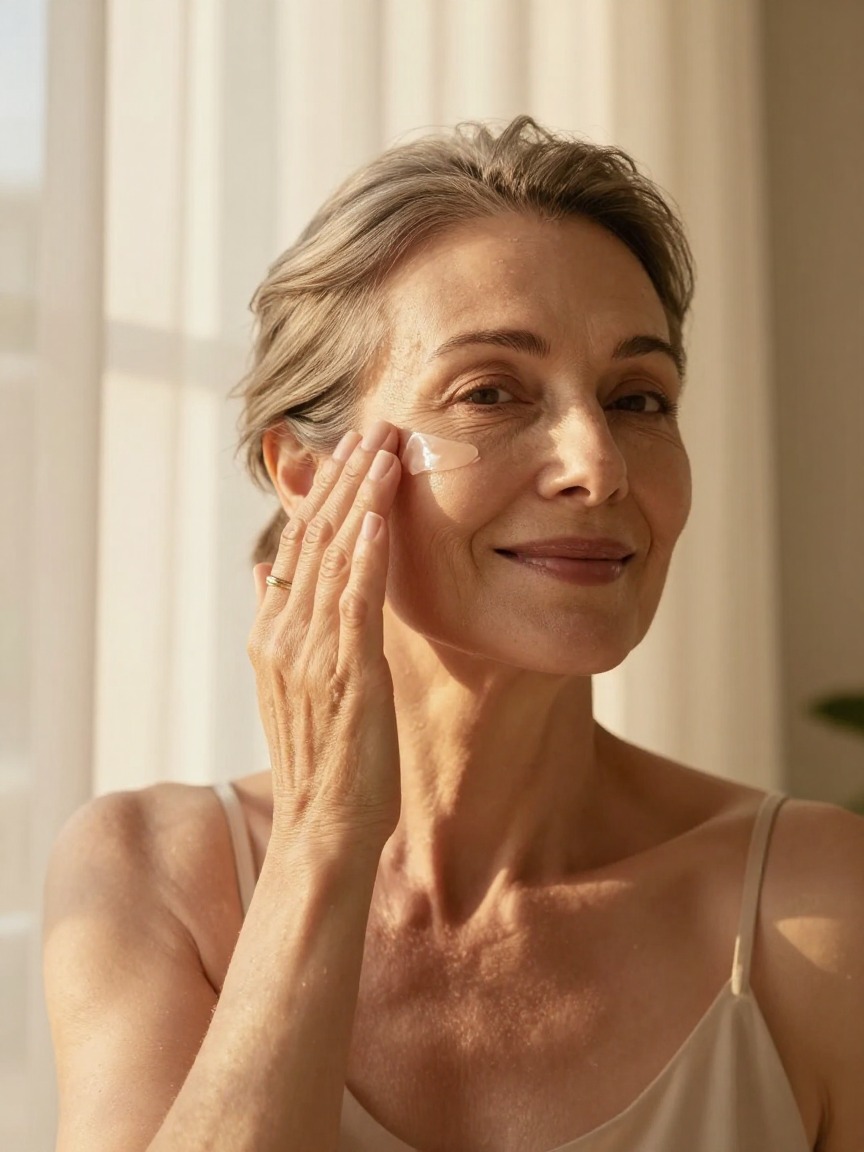
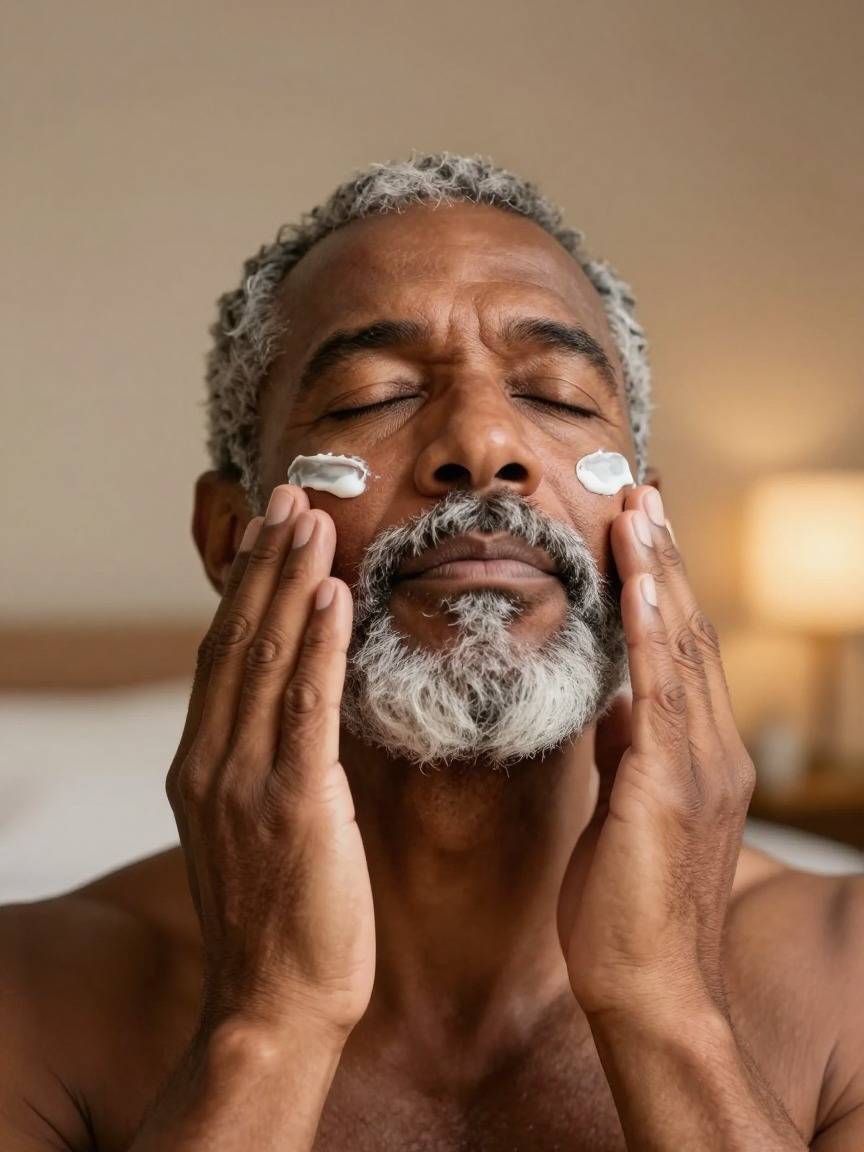
What "Barrier-First" Really Means for the Skin Barrier
The term gets used loosely in skincare marketing. But it has a specific meaning. It means prioritizing the health of the skin barrier, the outermost layer of skin, over any other goal. That includes brightening, anti-aging, or acne control. For sensitive skin, that's not a nice-to-have philosophy. It's the difference between a routine that calms skin down and one that keeps it irritated indefinitely. A barrier-first routine puts repair first and treatment second.
Ceramides, Cholesterol & Fatty Acids: The Physiology in Plain Terms
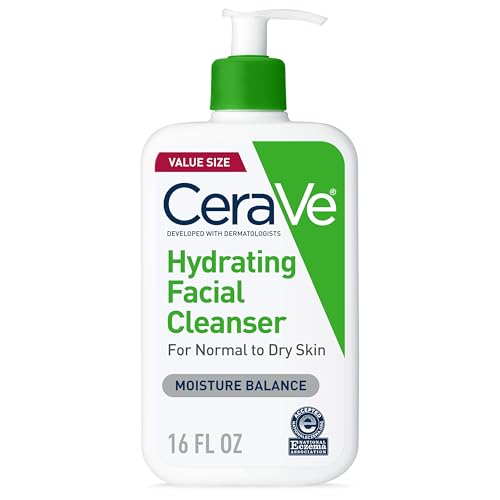
Skin cells in the outer layer are held together by a mix of ceramides, cholesterol, and free fatty acids. In healthy skin, that's roughly a 3:1:1 ratio. This "mortar" does two jobs at once. It keeps water from evaporating out. It also keeps irritants, allergens, and microbes from getting in. Sensitive skin usually has a disrupted version of this ratio. Sometimes that's genetic, as in eczema. Sometimes it comes from an underlying condition like rosacea. Very often it's something reversible. Over-exfoliation or too many actives introduced too quickly are common causes. A barrier-first routine works by replacing what's missing rather than adding more "treatment." Ceramide formulas from CeraVe and La Roche-Posay are built around exactly this idea.
Stratum Corneum & Transepidermal Water Loss, Explained
The stratum corneum is the technical name for that outer layer. Transepidermal water loss is the technical name for water evaporating through a damaged barrier. A high rate of transepidermal water loss is a sign the stratum corneum isn't doing its job. That usually shows up on skin as tightness, flaking, or a rough texture.
Why Minimalism Isn't a Compromise for Fragrance-Free, Actives-Free Skin
It's tempting to think a six-step, fragrance-free routine is missing something. No exfoliants, retinoids, or vitamin C can look like a starter routine rather than a real one. For a stable, tolerant skin type, that might be true. For sensitive skin, it's closer to the opposite. Every active ingredient left out is one less variable that can undo the barrier repair. The rest of the routine is doing that repair work. Skin that's actively reactive doesn't process actives well anyway. On compromised skin, a "more is better" routine tends to produce worse results than a boring one, not better ones.
Sequencing for Barrier Support: Cleanser, Moisturizer & Sunscreen in Order
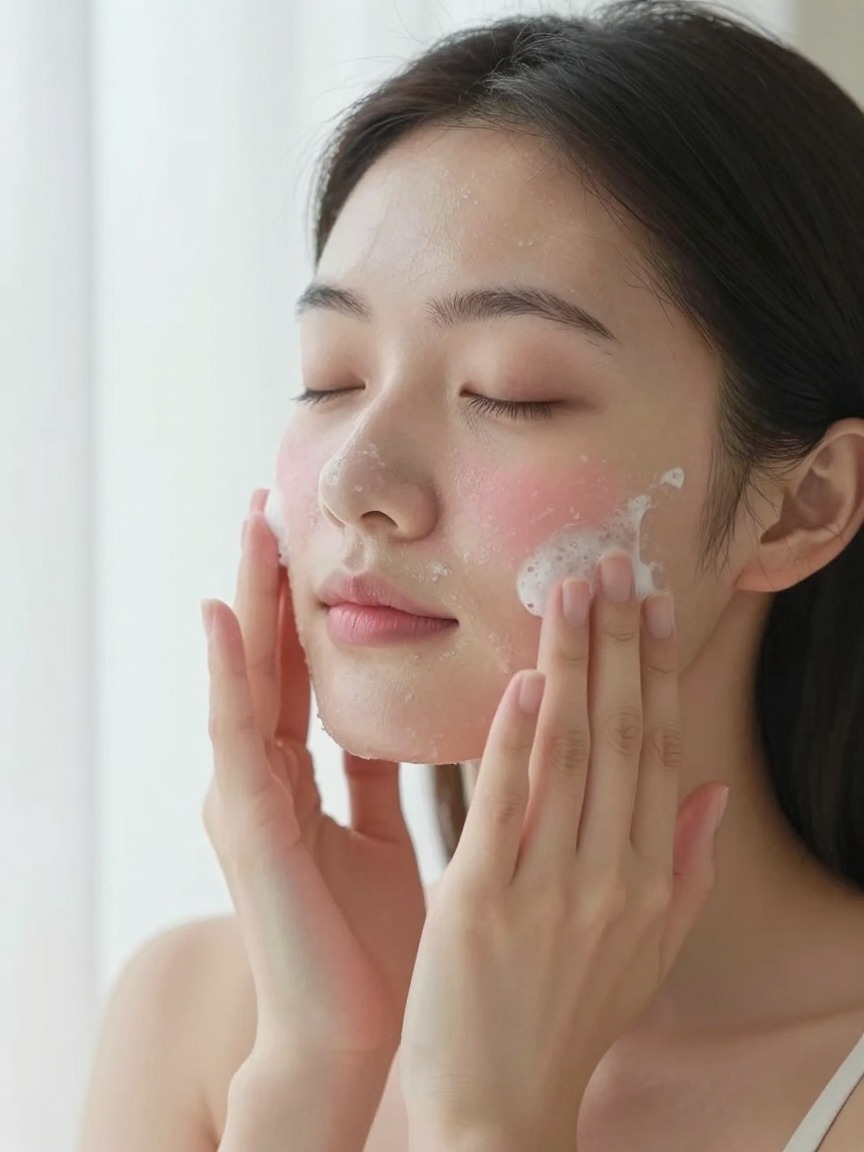
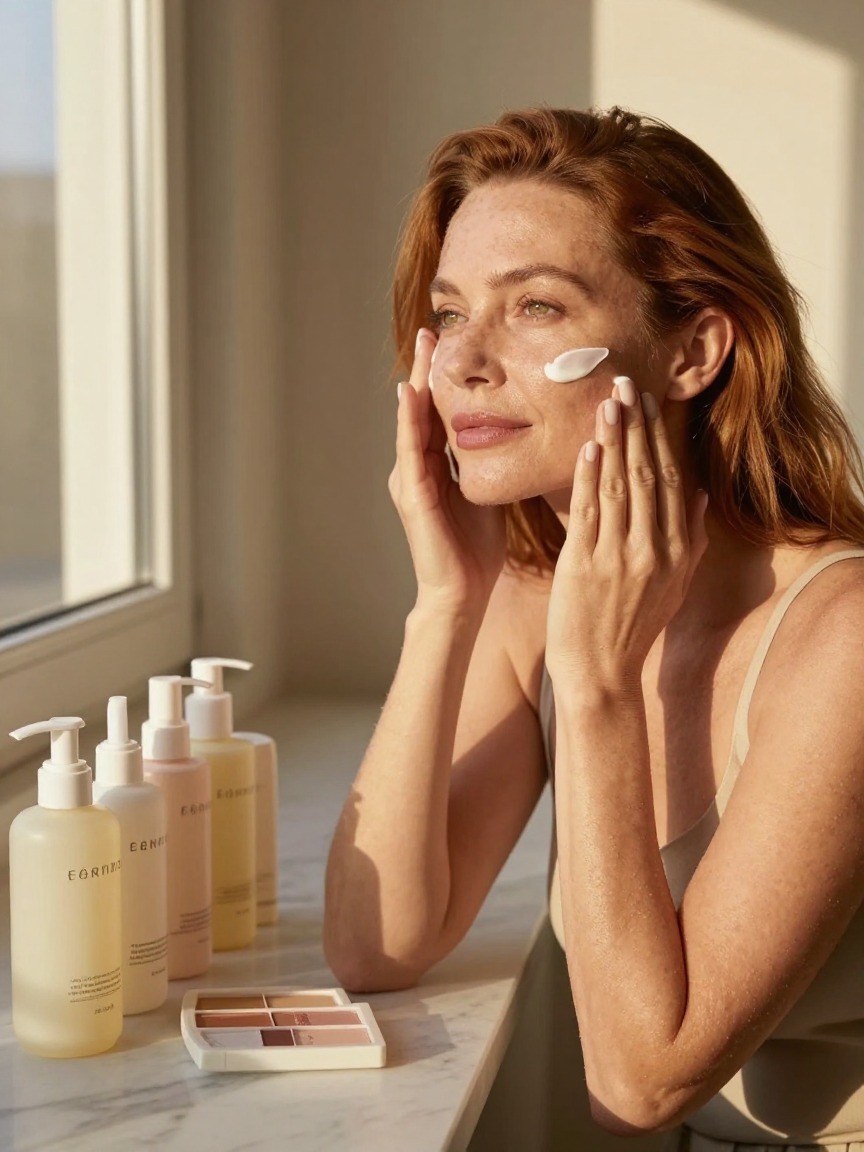
Order matters because each product changes the surface the next one is applied to. Cleanser should never contain actives on sensitive skin. Its only job is to remove the day without adding a new variable. A hydrating toner or serum adds back moisture the cleanser may have taken with it. Moisturizer then locks that hydration in with ceramides and emollients. Sunscreen goes last in the morning, such as a mineral formula like EltaMD's. At night, an occlusive seal goes last instead, such as Aquaphor. That final layer either blocks UV or blocks water loss overnight. A gentle, fragrance-free cleanser like Paula's Choice's also fits this order without disrupting barrier support. Applying products out of order reduces how well each one can do its job. Sunscreen before moisturizer, or a serum after an occlusive cream, are common mistakes.
What "Skin Cycling" Gets Wrong for Rosacea-Prone, Eczema-Prone Skin
Skin cycling alternates exfoliation and retinoid nights with "recovery" nights. It has become a popular framework. But it was built around skin that can tolerate actives in the first place. For genuinely sensitive, rosacea-prone, or eczema-prone skin, the math changes. The "recovery" night should be most nights, not one out of every three or four.
Retinoids, Exfoliation & Occlusive Sealing: When to Add Them Back
Suppose a barrier-first routine has been stable for several weeks. A single low-strength retinoid or exfoliation step can sometimes be introduced then, on a limited schedule. That's a decision to make slowly and individually. Don't follow a general cycling calendar built for average skin. An occlusive seal can help buffer skin while reintroducing an active. It slows how deeply the active penetrates.
Signs the Barrier Is Actually Recovering
Barrier repair isn't always dramatic. Watch for less tightness after cleansing. Watch for fewer instances of stinging when applying moisturizer. Redness should fade faster after triggers like heat or wind. Skin should tolerate a gentle touch, like a light massage, without immediately reacting. This tends to take two to six weeks of a consistent, minimal routine, not days. Judging a barrier-first approach after a few uses of one product isn't a fair test.
When Barrier-First Isn't Enough on Its Own
A well-built routine can only do so much. Sometimes skin remains reactive, painful, or visibly inflamed despite weeks of a minimal, fragrance-free routine. That points toward something a topical routine can't fix on its own. An underlying condition like rosacea or a specific allergy needs a dermatologist's diagnosis, not another product change. Persistent redness, burning, or breakouts that don't respond to barrier support are a reasonable point to stop self-treating. Get a professional opinion instead.