


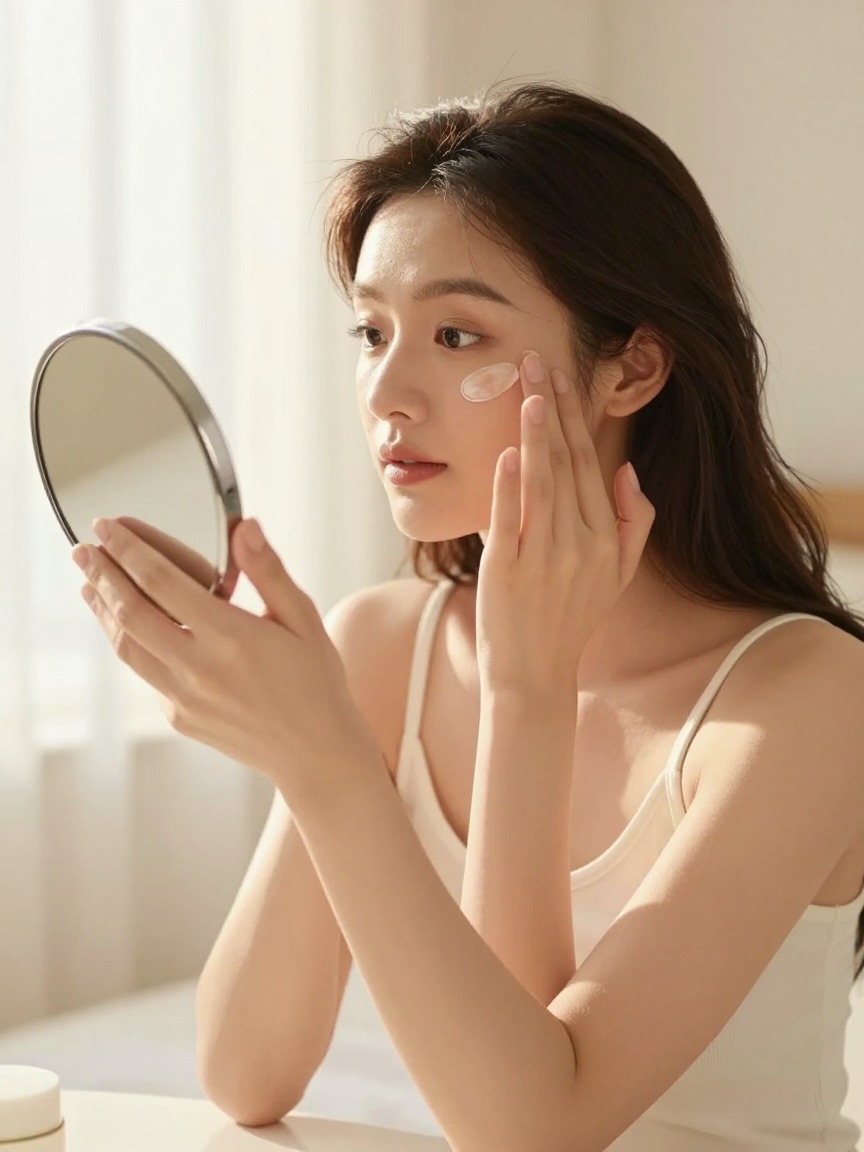
When Should You Start Anti-Aging Skincare
Many people ask when they should start anti-aging skincare. The honest answer is earlier than most expect. A basic routine and daily sun protection can start in your teens or 20s. You do not need a shelf of expensive serums that young. Prevention is far easier than trying to reverse damage later. The habits you set early quietly pay off for the rest of your life. Starting early is less about products and more about a habit you carry for decades.
The reason is simple. Most visible aging traces back to earlier sun exposure. Protecting the skin now prevents damage you would otherwise see later. So anti-aging skincare really begins with prevention, not correction. The habits you build early do more than any product you add in a panic decades on. A daily sunscreen at twenty beats an expensive cream at fifty. A daily sunscreen in your twenties genuinely outperforms an expensive cream added much later.
A starter routine can be very simple. A gentle cleanser like the CeraVe Hydrating Facial Cleanser is enough to begin. Add a daily sunscreen such as the EltaMD UV Clear Broad-Spectrum SPF 46. That pairing is the foundation of anti-aging skincare at any age. A basic moisturizer rounds it out, and that is genuinely enough for many years. There is no need to complicate things before your skin actually asks for more. Keeping it simple for years is not laziness, it is exactly what young skin needs.
Sun Protection in Your 20s and Adding a Retinoid for Fine Lines
Sun protection is the single most important anti-aging habit. Daily sun protection blocks the UV rays that drive most skin aging. Wearing it in your 20s pays off for decades to come. No cream matches consistent sun protection for prevention. If you only ever add one product, make it a good daily sunscreen. Everything else is secondary to keeping UV damage from building up. If you take only one message, let it be that sunscreen is the anti-aging step that matters most.
Targeted actives come a little later. A retinoid is usually worth adding in your late 20s to early 30s. That is often when fine lines and slower cell turnover first show up. The RoC Retinol Correxion Eye Cream and CeraVe Resurfacing Retinol Serum are approachable options. Start slowly, a couple of nights a week, to let skin adjust. Ramping up too fast is the main reason people quit retinoids early. Easing a retinoid in slowly is how you keep it in your routine instead of quitting from irritation.
- In your teens and 20s, focus on sun protection and gentle care.
- Add antioxidants like SkinCeuticals C E Ferulic for daytime defense.
- Introduce a retinoid as fine lines appear in your late 20s or 30s.
- Keep the routine consistent rather than constantly changing it.
- Layer in richer creams, such as Olay Regenerist, as skin needs them.
There is no single perfect age to start anti-aging skincare. Prevention in your 20s does most of the heavy lifting. Then you add treatment for fine lines when they actually appear. Start with sun protection today, and build from there as your skin changes. Consistency over the years matters far more than any one miracle product. Small, steady habits beat dramatic routines you cannot maintain. Small, consistent habits beat dramatic routines you cannot realistically keep up with.
Affiliate disclosure: We may earn a commission from qualifying purchases made through links on this page, at no extra cost to you. Some links on this page are affiliate links.
Recommended anti-aging skincare routine
Editor-picked products from our guides.
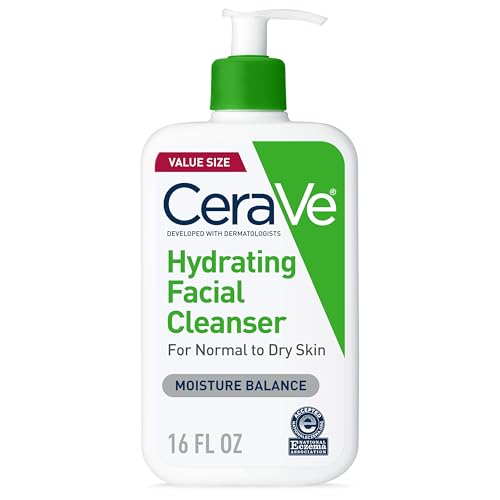
Cleanser — CeraVe Hydrating Facial Cleanser
CeraVe
Ceramides and hyaluronic acid clean without stripping the barrier. That matters more once retinoids or acids are already taxing skin.
- Ceramide and hyaluronic acid formula supports rather than strips the skin barrier
- Fragrance-free and non-comedogenic
- Gentle enough to use daily alongside other actives
- Not strong enough on its own to fully remove heavy sunscreen or makeup — may need a first cleanse on those days

Retinoid — CeraVe Resurfacing Retinol Serum
CeraVe
Encapsulated retinol releases more gradually into skin. Niacinamide in the formula helps offset the dryness retinoids typically cause.
- Encapsulated retinol formula tends to be gentler than standard retinol serums
- Niacinamide included to help support the barrier alongside the active
- Affordable enough for the twice-a-week-to-nightly build-up most people need
- Slower and milder than prescription tretinoin — won't match that level of results for people who've already built tolerance

Eye Cream — RoC Retinol Correxion Eye Cream
RoC
This retinol-based eye cream uses a lower concentration and gentler base than face retinoids. That suits the thinner skin around the eyes.
- Retinol formulated specifically for the more sensitive eye area
- Long clinical track record as one of the original mainstream retinol eye creams
- Budget-friendly compared with prestige eye creams
- Can cause mild stinging for retinoid-sensitive skin — worth patch-testing before regular use