What "Anti-Aging" Really Means for Collagen and Fine Lines
No product reverses time. Any brand that implies otherwise is selling packaging, not proof. A well-built anti-aging routine does something more realistic: it slows the buildup of fine lines, dullness, and uneven tone. It works mostly by protecting skin from UV damage and by supporting the collagen your skin already makes. Daily sun protection alone prevents more visible aging than any serum on this list. That's why it's treated as a non-negotiable step here, not an optional extra.
Retinoids, Antioxidants Like Vitamin C, Peptides & Sunscreen: The Actives Worth Building Around
Four categories carry most of the research behind them. Retinoids (vitamin A derivatives) drive cell turnover and support collagen. Vitamin C works as a daytime antioxidant that also helps even out tone. Peptides signal skin to behave a little more like younger skin. Broad-spectrum SPF 30+ isn't usually marketed as an "anti-aging" ingredient, but it does more for visible aging than anything else here. AHAs like glycolic acid support a retinoid by keeping surface texture smooth. Running both aggressively in the same week is a common way people end up with an irritated barrier instead of better skin.
Ceramides and Actives for Sensitive Skin, Dry Skin & Oily Skin
- Dry or mature skin: a cream cleanser, a gentler retinoid formula (or a retinol alternative like bakuchiol to start), and a rich, ceramide-heavy moisturizer to offset the dryness actives can cause.
- Oily or combination skin: a gel cleanser, room to build up to a stronger retinoid over time, and lightweight, non-comedogenic moisturizer and SPF options.
- Sensitive or reactive skin: fragrance-free formulas throughout, a slow retinoid introduction (two nights a week to start, not nightly), and holding off on AHAs until retinoid tolerance is established.
Niacinamide, Tretinoin & When to See a Dermatologist
Niacinamide is a good add-in for anyone whose skin gets dry or irritated from other actives. It supports the barrier without competing with a retinoid or vitamin C. Over-the-counter retinol is milder than prescription tretinoin. A dermatologist can prescribe tretinoin for people who've already built tolerance and want a stronger step up. Anyone with persistent irritation, unexplained rashes, or a suspected condition like rosacea should see a dermatologist instead of adjusting a routine alone.
Mistakes With Fine Lines, Sunscreen & AHA Use That Slow Results
The single biggest mistake is skipping or under-applying sunscreen. No amount of retinol or vitamin C outpaces daily unprotected UV exposure. The second mistake is starting a retinoid at full strength, nightly. That level of irritation tends to make people quit right around the three-month mark, which is roughly when visible change on fine lines and tone starts to show. The third mistake is layering a retinoid and an AHA exfoliant on the same night. Alternating them, or running one in the morning and the other at night, gets most of the benefit with far less irritation risk.
Building the routine on a budget: where to spend, where to save
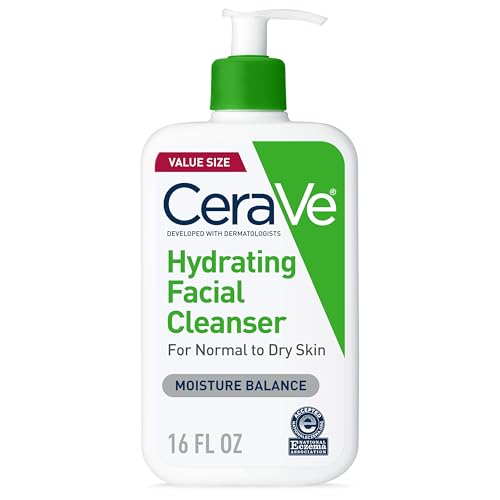
An anti-aging routine is a set of steps, not a single hero product, so spread the budget sensibly. Cleanser is where to save — a gentle, non-stripping first step like CeraVe’s Hydrating Cleanser costs little and won’t undercut the actives that follow. The retinoid and the moisturizer are comfortably drugstore territory too; a lower-irritation OTC retinol serum in the CeraVe mold and a firming daily cream at an accessible price, as Olay’s Regenerist line offers, do the work without a prestige markup. Two places reward spending: a well-stabilized, well-packaged vitamin C, where a heavily studied formula like SkinCeuticals’ commands its price for a reason, and a daily SPF you’ll genuinely wear, since a non-irritating one such as EltaMD’s earns its cost by being the step you never skip. A targeted eye cream, like RoC’s, is optional rather than essential.
Judging quality and avoiding buying mistakes
Ignore age-defying and youth-restoring language on the front and read the back. You want a recognizable active near the top of the list, sensible supporting humectants and ceramides, and — for vitamin C especially — opaque, air-tight packaging, since a formula that oxidizes on the shelf is money wasted. The most expensive buying mistake is over-buying: stacking several prestige serums at once, chasing novelty every few weeks, and never giving any single active the roughly three months it needs to show a difference. It also helps to buy the SPF and cleanser first and add the actives one at a time, so you can tell which step your skin is actually responding to. A short, consistent routine you actually finish beats a drawer of half-used jars.