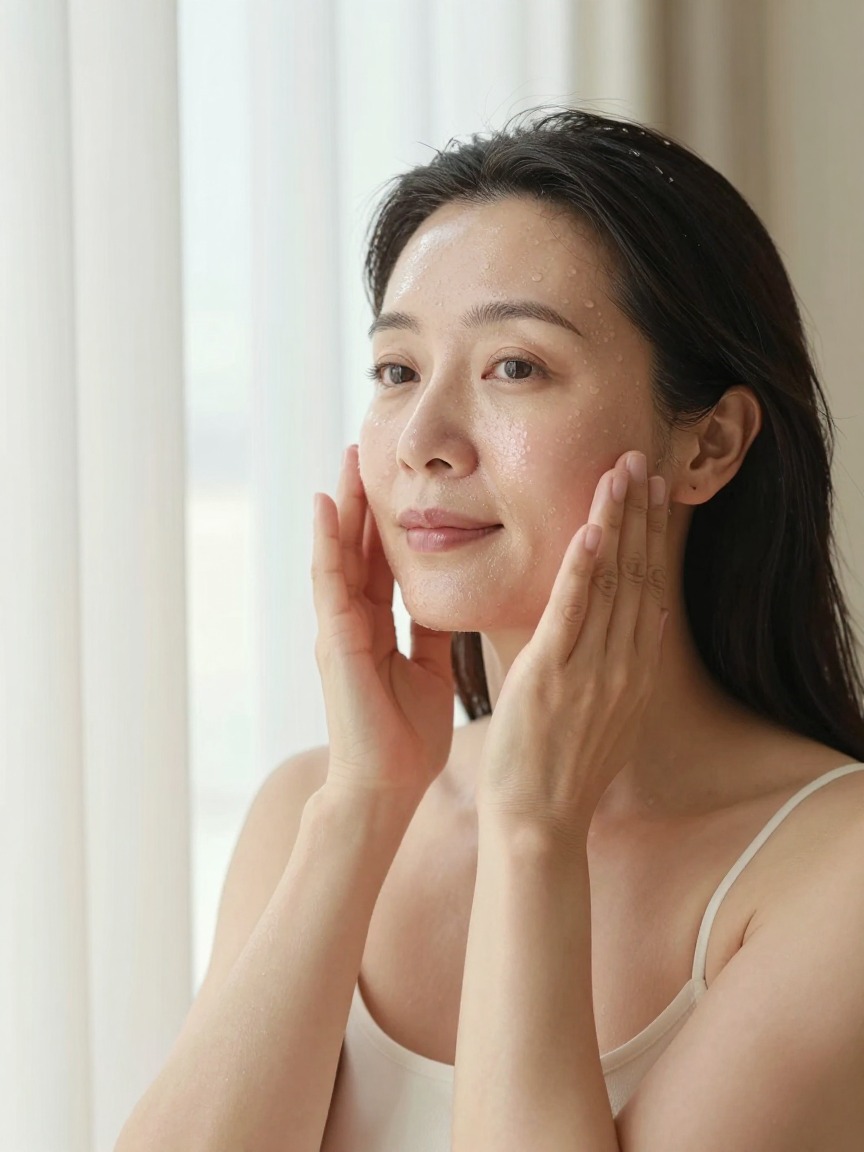
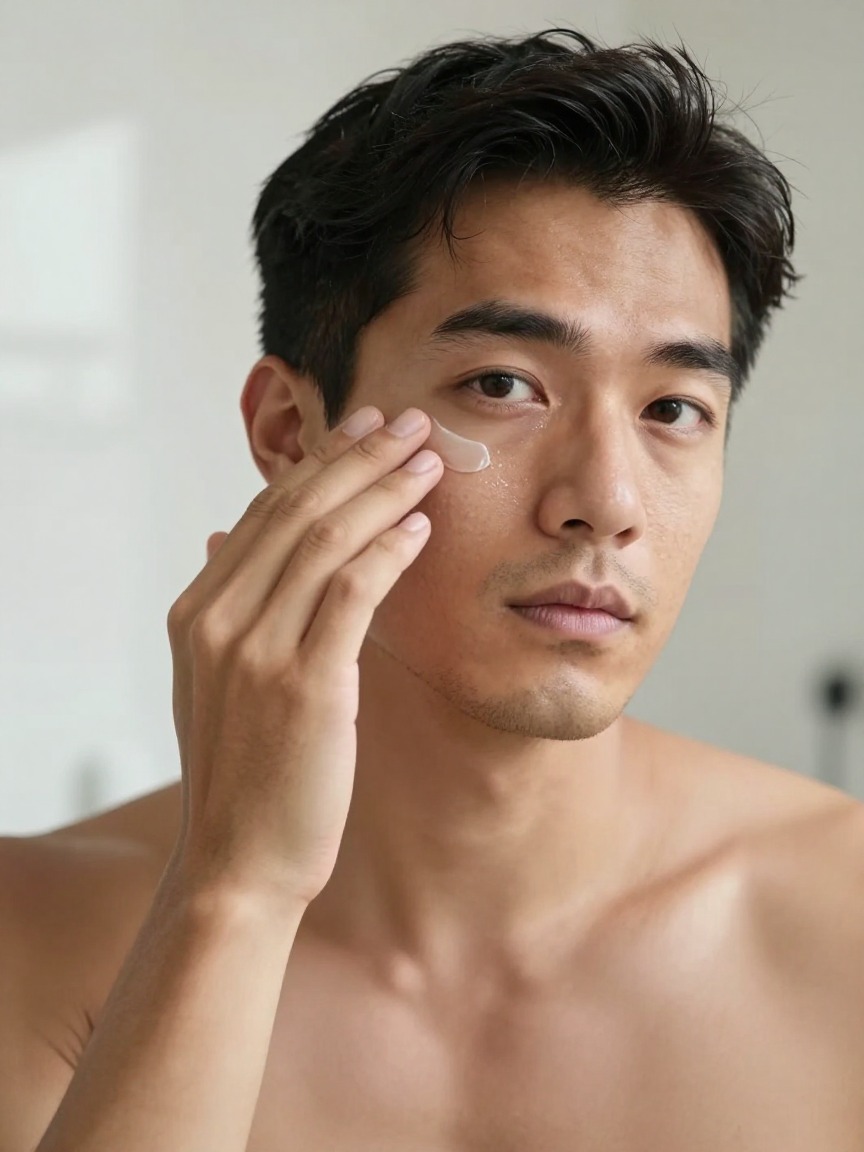
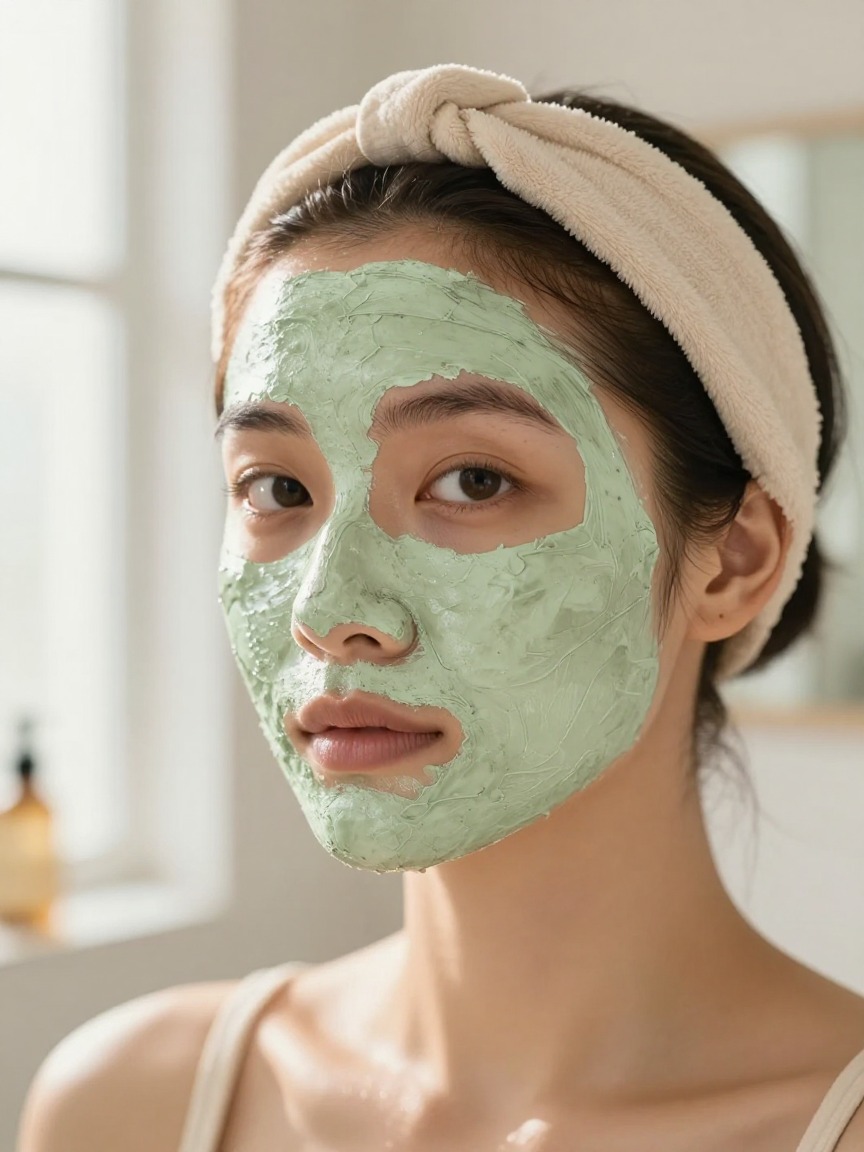
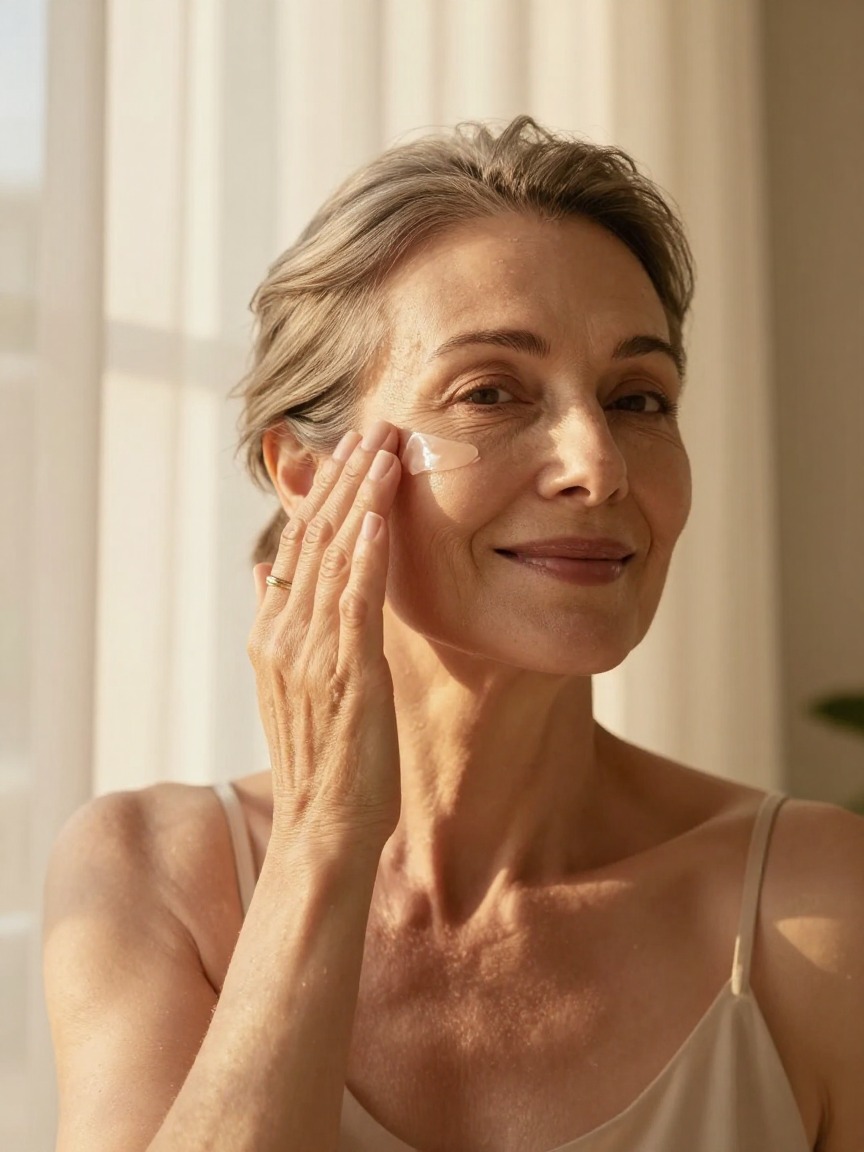
Your 20s: Prevention, Sunscreen & UV Exposure Over Correction
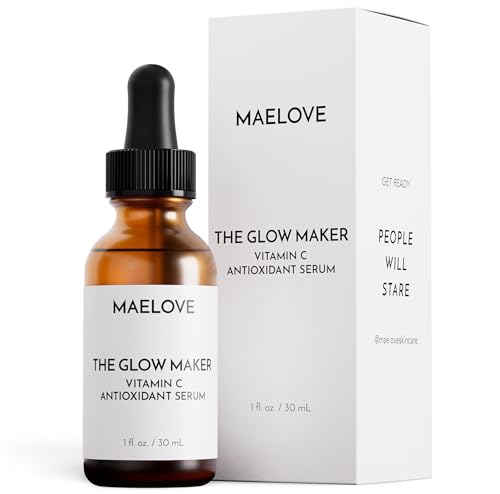
Twenty-something skin doesn't need a heavy anti-aging routine. It needs consistent sun protection and good basic habits. Most of the visible aging people deal with later traces back to UV exposure built up decades earlier. A simple routine of cleanser, moisturizer, and daily broad-spectrum SPF covers most of what matters here. Antioxidant serums like vitamin C are a reasonable early addition. Skin tolerates actives more easily now than it typically will later, and the free-radical protection adds up over time. Retinoids aren't required in your 20s. A low-strength retinol used a couple of nights a week is a fine head start for anyone who wants one — the value here is building tolerance early, not fixing anything that's actually happened yet. One cheap habit pays off a lot at this age: reapply SPF through the day, rather than treating one morning coat as coverage for eight hours outdoors.
Your 30s: Adding a Retinoid, Vitamin C & Eye Cream
This is usually when the first fine lines, some loss of firmness, and slower cell turnover become noticeable enough to prompt a routine change. A nightly, or near-nightly, retinoid is the highest-value addition most people make in their 30s. Keep up vitamin C and SPF alongside it. Eye cream is worth adding here too, since the thin skin around the eyes tends to show change earlier than the rest of the face. If retinoid tolerance hasn't been built up already, this is the decade to start slow. Try two nights a week, working up over several weeks, rather than jumping straight to nightly use and dealing with the irritation that follows.
Your 40s: Peptides, AHA Exfoliation, Firmness & Tone
By this stage, a retinoid and steady SPF are usually already doing meaningful work. The routine tends to expand to address firmness and uneven tone more directly. Peptide-containing moisturizers earn a stronger case here. They support skin's structural proteins without the irritation risk of a stronger active. Some people also add a gentle AHA exfoliant on nights the retinoid isn't in use, to help with texture and tone. Alternate rather than stack the two — that's the safer approach at any age, but especially once skin's barrier starts to shift with hormonal changes. This is also a fair point to ask a dermatologist whether an in-office option, or a prescription-strength retinoid, fits alongside the at-home routine.
Your 50s and Beyond: Ceramides, Menopause, Hormonal Changes & a Dermatologist Check-In
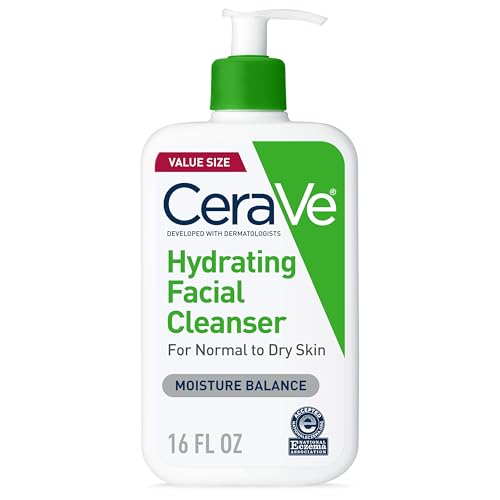
Skin generally makes less oil and holds onto less moisture from the 50s onward. The barrier needs more active support, even as the same actives from earlier decades stay relevant. Richer moisturizers, ceramide-focused formulas, and sometimes a lower retinoid frequency are common, sensible adjustments — the goal is managing dryness, not because the ingredient stops working. Vitamin C and SPF stay just as important, arguably more so, since decades of prior sun exposure are often what's showing up now. Hormonal changes around menopause can also affect skin thickness and hydration. That's reason enough for a dermatologist visit if a long-standing routine suddenly stops working. A gentler cleanser is often worth revisiting here too. A formula that felt fine a decade earlier can start to feel stripping once oil production has naturally slowed.
The Ingredient That Matters at Every Age: SPF, Collagen & Fine Lines
Across every decade in this guide, one thing doesn't change. Daily broad-spectrum SPF is the single highest-value step in any anti-aging routine, at any age. Retinoids, vitamin C, and peptides all support skin in real, evidenced ways. None of them outpace the damage of unprotected daily UV exposure, though. If a routine has to be trimmed to essentials at any life stage, sunscreen is the step that stays — it protects collagen and slows fine lines better than anything else on the list. For specific picks by step — CeraVe, SkinCeuticals, RoC, Olay, and EltaMD — see our full buying guide.