

Skip to content
Exfoliating Toners & Pads · Deep dive

Glycolic vs Lactic Acid Toners

Glycolic acid vs lactic acid: comparing two AHA exfoliation acids

Glycolic acid and lactic acid are both alpha-hydroxy acids (AHAs). Glycolic acid comes from sugarcane. Lactic acid traditionally comes from milk, though most modern formulas use lab synthesis. Both work the same basic way. They loosen the bonds between dead skin cells so they shed instead of building up. The difference that matters when choosing a toner comes down to molecule size.

Molecule size, texture and dullness: why size is the whole story

Glycolic acid has the smallest molecular weight of any commonly used AHA. That small size lets it penetrate faster and deeper than lactic acid at an equivalent percentage. Lactic acid's molecule is roughly twice the size. It moves more slowly and stays closer to the surface. In practice, glycolic acid tends to deliver more visible, faster results — smoother texture, brighter tone. It also carries a higher chance of stinging or redness. That's especially true if your skin isn't used to it. Lactic acid delivers a milder version of the same effect. It works more gradually, with a lower risk of irritation. It softens dullness over time.

What glycolic acid does best: sun damage, brightening and texture

Because it penetrates fastest, glycolic acid works well for dullness and rough texture. It also targets the early look of sun damage. That's true for skin with some tolerance for actives already. It's the AHA most studied in professional peel concentrations. That's part of why it has a reputation as the "gold standard." At-home toner concentrations, typically 5–10%, are a different thing than an in-office peel. Formulas like Pixi's Glow Tonic or The Ordinary's Glycolic Acid Toning Solution are common starting points.

What lactic acid does best: hydration, humectant power and dry skin

Lactic acid has a second property glycolic doesn't. It's a natural humectant, meaning it helps draw water into the skin as it exfoliates. That combination — gentle exfoliation plus hydration — suits dry skin and sensitive skin. It also works well for easily irritated skin, or anyone using an acid toner for the first time. It's a reasonable choice for dehydrated skin with fine lines. The humectant effect can make skin look plumper alongside smoother. Gentler blends, like First Aid Beauty's Facial Radiance Pads, take a similar approach.

Combining acids without irritation or over-exfoliation

Some toners combine glycolic and lactic acid in one formula. That can work well. Lactic acid's hydrating effect offsets some of the dryness glycolic can cause. What doesn't work well is using a glycolic toner and a separate lactic acid product back-to-back. That's acid on acid, and it's a common way people trigger over-exfoliation without realizing it. They think of the two as "different, milder products." Really, they're two exfoliants stacked together — and irritation follows. Multi-acid formulas, like Biologique Recherche's Lotion P50, are built by professionals to combine acids more safely.

Which one should you pick for sensitive skin or dehydrated skin

  • Sensitive skin, dry skin, or new to acid toners: start with lactic acid.
  • Normal-to-oily skin wanting maximum visible results, already tolerating other actives: glycolic acid.
  • Dehydrated skin that also wants exfoliation: lactic acid, specifically for the humectant benefit.

Patch testing and building tolerance before you commit

Either way, start two to three nights a week. Patch test on the jaw or inner arm first. Give any new acid toner two full weeks before judging whether it's right for you. Neither acid is objectively "better." They're suited to different skin, different goals, and different tolerance levels. The honest answer is to match the acid to how your skin actually behaves. That matters more than whichever one has the bigger reputation.
You may be interested in

Popular picks from related categories, chosen with the same rubric.

Editor's Pick #1
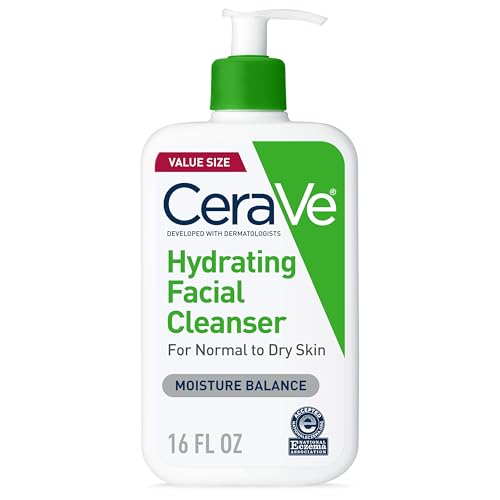
Hydrating Facial Cleanser
Dry-to-normal sensitive skin, especially anyone also using retinoids or other actives

Hydrating Facial Cleanser

CeraVe

It's formulated with three ceramides, hyaluronic acid, and a National Eczema Association seal. Dermatologists mention it most often for reactive skin. It's a genuinely non-foaming, low-irritation formula that doesn't strip the barrier.

Ceramide and hyaluronic acid formula supports the skin barrier while cleansing
Fragrance-free, non-foaming, and won't disrupt a compromised moisture barrier
Budget-friendly per ounce and widely available at drugstores
Doesn't fully dissolve heavy sunscreen or long-wear makeup on its own, so double-cleansing days may need a micellar water or oil-based first step
Best Value #2
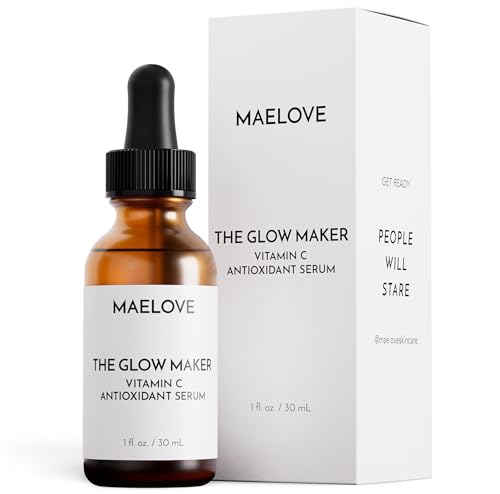
Glow Maker
Readers who want a well-formulated L-ascorbic acid serum without the prestige price tag

Glow Maker

Maelove

It leans on similar formulation logic to pricier serums: L-ascorbic acid plus vitamin E and ferulic acid. It costs a fraction of the price. That's why it's often called an affordable alternative to the prestige options.

Combines L-ascorbic acid with vitamin E and ferulic acid, echoing higher-end formulas
Opaque pump bottle helps limit light and air exposure
Noticeably cheaper per ounce than most L-ascorbic acid serums of similar formulation
The pump can dispense unevenly or feel like it needs priming, a minor but frequently mentioned annoyance
Editor's Pick #1
Moisturizing Cream
Normal to dry skin that wants a dermatologist-developed, fragrance-free daily moisturizer

CeraVe Moisturizing Cream

CeraVe

It pairs three essential ceramides with hyaluronic acid in a rich, fragrance-free base. Long-term users with dry, compromised skin consistently praise it. It's also inexpensive enough to use liberally.

Ceramide + hyaluronic acid formula supports the skin barrier
Fragrance-free and well-tolerated by sensitive skin
Large jar size makes it very cost-effective per ounce
The tub packaging means dipping fingers into the product, which isn't ideal for hygiene or portability
Editor's Pick #1
UV Clear Broad-Spectrum SPF 46
acne-prone, sensitive, or post-procedure skin that needs a dermatologist-trusted daily option

UV Clear Broad-Spectrum SPF 46

EltaMD

Dermatologists reach for EltaMD more than almost any other sunscreen. It pairs broad-spectrum zinc oxide protection with niacinamide and hyaluronic acid. The oil-free base is genuinely weightless and layers well under makeup.

Broad-spectrum SPF 46 with zinc oxide
Oil-free, non-comedogenic formula favored for acne-prone skin
Contains niacinamide and hyaluronic acid for added hydration
Pricier per ounce than most drugstore sunscreens, and the pump makes it easy to under-apply if you're not deliberate about the amount.
Editor's Pick #1
Skin Perfecting 2% BHA Liquid Exfoliant
Anyone dealing with clogged pores, blackheads, or rough, bumpy texture who wants an evidence-backed exfoliating toner

2% BHA Liquid Exfoliant

Paula's Choice

It's built around a well-studied 2% salicylic acid concentration at an effective pH. The base is fragrance-free and alcohol-free. That combination is why it's stayed a favorite among ingredient-focused shoppers for years, rather than fading as a trend.

2% salicylic acid at a pH that actually works
Fragrance-free and alcohol-free formula
Noticeably improves texture and blackheads with consistent use
The active concentration can cause redness or flaking in the first couple of weeks, so it's not the easiest starting point for very reactive or rosacea-prone skin
Editor's Pick #1
Contour Face
people who want the most clinically studied LED mask on the market and don't mind the price

Contour Face

Omnilux

Omnilux's LED technology is the same platform used in dermatology clinics. The Contour Face is its rigid, dermatologist-favorite home version, and it has more research behind it than most at-home competitors.

Extensive clinical research behind Omnilux's LED platform, more than most home devices
FDA-cleared for temporary reduction in the appearance of fine lines and wrinkles
Even, consistent light distance thanks to the rigid, hinged design
Rigid shell doesn't flex to different face shapes, there's no blue-light setting for acne, and it's one of the most expensive masks on the market

Affiliate disclosure: We may earn a commission from qualifying purchases made through links on this page, at no extra cost to you. Some links on this page are affiliate links.