Chemical exfoliation & dead skin cells: how AHA and BHA acid toners work
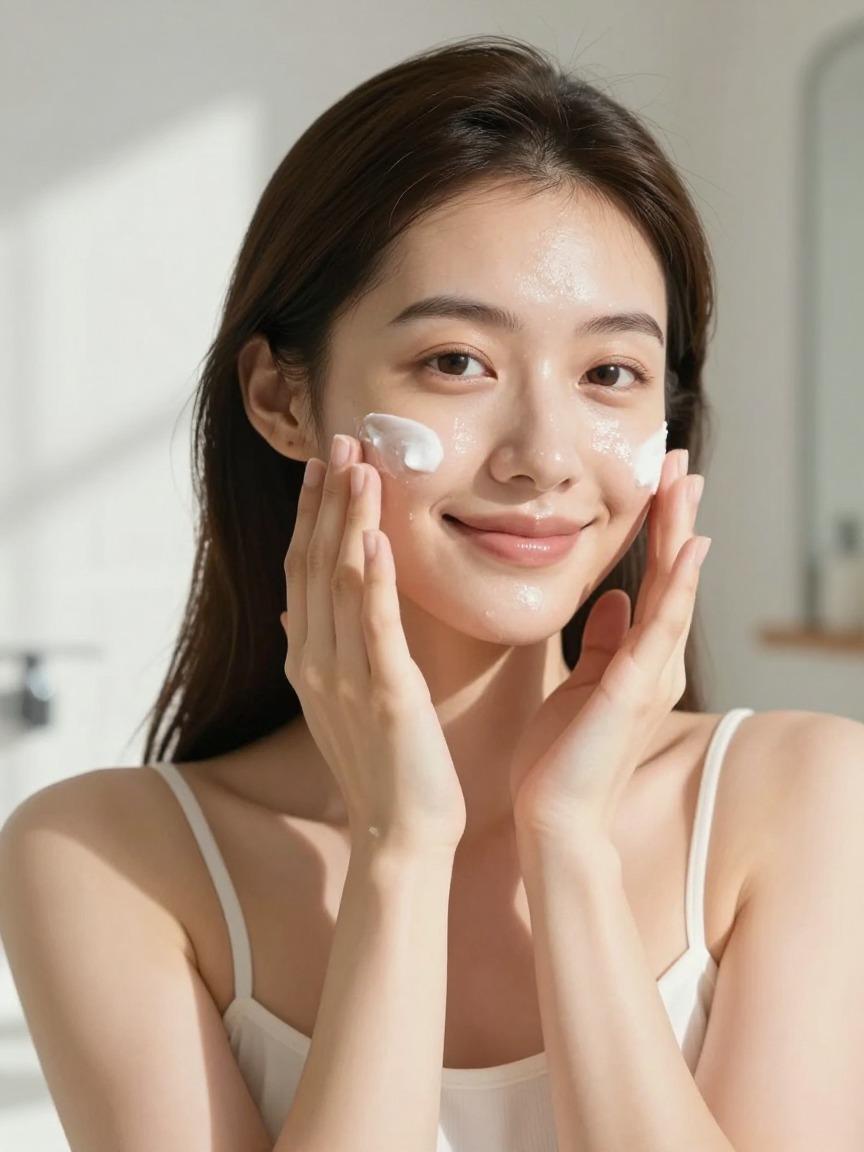
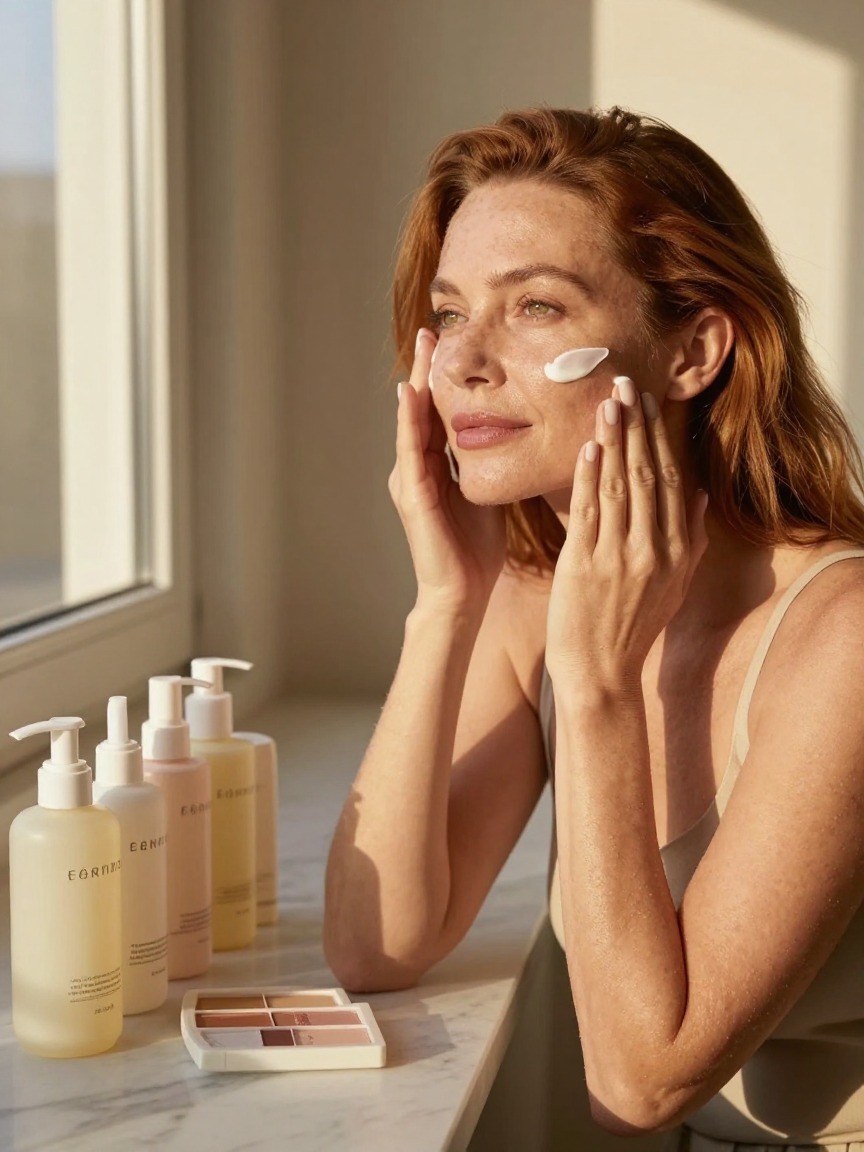
An exfoliating toner or pad uses a dissolved acid to loosen the "glue" holding dead skin cells to the surface. They lift away instead of building up into dullness, clogged pores, and rough texture. Unlike a scrub, there's no manual friction. Chemical exfoliation does the work. That's gentler on the skin barrier when used correctly. It's also far easier to control by concentration and contact time.
Matching acid toners to oily skin, acne-prone skin and sensitive skin
- Oily skin or acne-prone skin: look for salicylic acid (BHA). It's oil-soluble, so it gets into pores and helps clear the debris that leads to blackheads and bumps.
- Dry, normal, or sun-damaged skin: glycolic acid (AHA) has the smallest molecule of the common AHAs. It penetrates fastest and delivers the most visible brightening and smoothing.
- Sensitive skin: lactic acid or mandelic acid are gentler AHAs with larger molecules. Lactic acid also has a humectant effect that helps offset dryness.
- Very reactive or barrier-compromised skin: PHAs like gluconolactone exfoliate more slowly. They're the least likely to sting.
Concentration, pH and patch testing: protecting your skin barrier
A 10% glycolic acid pad at a poorly formulated pH can irritate more than a well-formulated 5% version. Most well-tolerated leave-on exfoliants sit in the pH 3.0–4.0 range. Concentration typically runs 5–10% for AHAs, or 1–2% for salicylic acid. Ignore front-of-bottle percentage claims. Patch test any new formula on your jaw or inner arm first. Watch how your skin actually responds over the first two weeks — that tells you more than the label.
Resurfacing skin texture, hyperpigmentation and pore congestion
Consistent, well-paced use of exfoliating pads can visibly resurface rough skin texture, fade hyperpigmentation, and ease pore congestion over several weeks. Rushing the process is what causes irritation, not the acid itself. The mistakes below are the most common ways people undo those results.
Multi-acid blends, cotton pads and sun sensitivity: mistakes to avoid
- Starting at daily use. Most people do better easing in two to three times a week and building up.
- Stacking multiple actives the same night. Retinoid plus acid toner plus vitamin C is a common way to trigger redness and flaking. That has nothing to do with any one product being "bad."
- Skipping sunscreen. Exfoliating acids increase sun sensitivity, so daily SPF isn't optional if you're using one.
- Using pre-soaked pads or acid-loaded cotton pads as a makeup-remover step. They're formulated for clean, dry(ish) skin, not for cutting through foundation.
- Reaching for a strong multi-acid blend before your skin has built tolerance to a single acid first.
If you notice persistent stinging, peeling that doesn't calm down, or breakouts that get worse rather than better, stop use. Check in with a dermatologist rather than troubleshooting it yourself.
Pre-soaked pads, bottled toners or two-step peels: which format to buy
The same acids come in three formats, and it changes both price and control. Pre-soaked pads are the most convenient and travel-friendly, but you pay for the disposable pad and can't adjust the dose. A bottled toner you apply with a reusable cotton round or your hands costs less per use and lets you build up gradually. Two-step peel systems pair an acid step with a soothing step and sit at the premium end. If you're new to acids, a lower-strength bottled toner or a gentle single-use pad is an easier, cheaper starting point than a strong multi-step system.
Telling a quality acid toner from marketing
Front-of-bottle percentages sell bottles; they don't tell you how a formula will behave, and a well-formulated lower percentage often beats a poorly buffered high one. Scan the full ingredient list for a single, clearly named acid rather than a long stack of them, and for supporting humectants or soothing agents like glycerin, panthenol, or allantoin that take the edge off. Be skeptical of products promising overnight transformation or a tingle sold as proof it's working — a sting is a signal to slow down, not a feature.
Spend or save: matching a pick to skin and budget
You don't need to spend a lot to exfoliate well. A no-frills drugstore BHA pad like the Stridex option covers acne-prone skin cheaply, and a budget glycolic solution in the vein of The Ordinary delivers real potency for very little. A gentle brightening pad such as First Aid Beauty's, or an easing-in tonic like Pixi's, suits reactive or first-time users. Save the premium tier — a two-step system like Dr. Dennis Gross, or a cult toning lotion like Biologique Recherche's Lotion P50 — for when you already know your skin tolerates acids. Buy the strength your skin can handle today, not the strongest one on the shelf.