

Skip to content
Overnight Sleeping Masks · Deep dive

How Sleeping Masks Seal in Hydration

How Sleeping Masks Seal in Hydration: Gel, Serum & Moisturizer Basics

The core job of a sleeping mask is to slow a process already working against your skin overnight: transepidermal water loss, or TEWL. This is the continuous evaporation of water from the deeper layers of skin, through the stratum corneum, and into the air. TEWL happens all day. It tends to increase slightly overnight. Skin temperature rises under blankets. At the same time, the skin barrier's natural repair processes are more active while you sleep. That temporarily makes the outer layer more permeable. A sleeping mask is a tool for managing that overnight water loss. It helps you wake up with skin that feels hydrated instead of tight or flaky.

Transepidermal Water Loss & the Stratum Corneum: Ceramides, Cholesterol & Fatty Acids

Skin's outer layer, the stratum corneum, acts like a brick wall. Skin cells are the bricks. A mix of lipids — ceramides, cholesterol, fatty acids — forms the mortar that holds water in and keeps irritants out. Overnight, skin's natural cell turnover and repair cycle increases. That's generally good for long-term skin health. But it can temporarily thin that protective mortar layer. Add a warmer sleeping environment. In many climates, indoor heating or air conditioning also dries the air. Skin genuinely loses more water overnight than it typically loses during a comparable stretch of the day. This is the specific window a sleeping mask is designed to work in.

Humectant vs Occlusive: Hyaluronic Acid, Glycerin, Sodium PCA & Squalane

Most sleeping masks combine two ingredient categories to manage water loss. Understanding the difference explains why formulas feel so different from one another. Humectants — hyaluronic acid, glycerin, sodium PCA, and similar ingredients — work by attracting water molecules. They either pull moisture from the air into skin, or draw water up from skin's deeper layers to the surface. In a very dry environment, humectants alone can actually pull moisture out of skin rather than into it. That's one reason humectant-heavy gels sometimes feel less satisfying in a dry winter climate. Occlusive and emollient ingredients — squalane, shea butter, various plant oils — solve that problem. They form a light film over skin that slows evaporation. That film seals in whatever humectants pulled to the surface. A well-formulated sleeping mask usually pairs both, rather than relying on hyaluronic acid alone. Formulas like Glow Recipe's watermelon mask add antioxidants on top of this same humectant-occlusive base.

What 'Sealing In' Means: Dry Skin, Oily Skin, Combination Skin & Cold Climates

'Seals in hydration' is a common claim on sleeping mask packaging. It's a reasonably accurate description of the occlusive half of the formula. But it's not a magic barrier. It's a physical film that reduces the rate of water evaporation, not a guarantee against it. That's why texture matters so much when choosing a sleeping mask. A rich, balm-like formula creates a stronger occlusive seal, useful for very dry skin or cold climates. A lightweight gel creates a much thinner film. It suits oily skin or combination skin that doesn't need heavy occlusion to stay comfortable. Layering also affects how well sealing works. A sleeping mask applied over a bare, unmoisturized face has less to seal in than one applied over a normal serum-and-moisturizer routine.

Shea Butter, Skin Barrier Repair & When to See a Dermatologist

Barrier-support ingredients like ceramides and shea butter add a longer-term dimension to this process. Rather than just holding water at the surface for one night, ceramides and similar lipids can help reinforce the skin barrier over consistent use. That's part of why dermatologists recommend ceramide-containing moisturizers for chronically dry or barrier-compromised skin. Relying on humectants alone usually isn't enough. Brands like Laneige, Then I Met You, and Innisfree each build gel-cream formulas around this pairing. They just use different humectant-to-occlusive ratios. For most people, the practical takeaway is simple: if skin still feels tight or dry by morning, even after using a hyaluronic-acid sleeping mask, the fix is usually a richer, more occlusive formula. The water is likely evaporating faster than it's being replenished. If dryness or irritation doesn't improve with a richer formula, raise it with a dermatologist rather than cycling through more products.
You may be interested in

Popular picks from related categories, chosen with the same rubric.

Editor's Pick #1
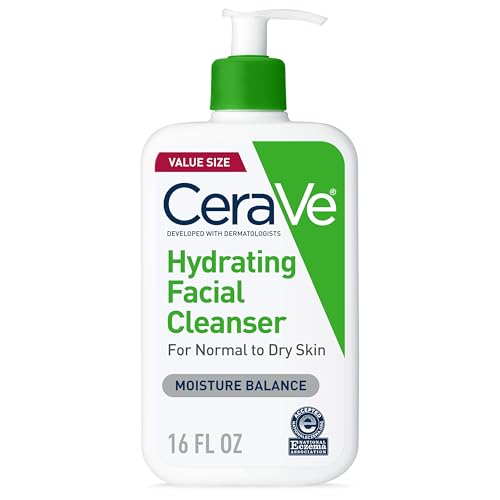
Hydrating Facial Cleanser
Dry-to-normal sensitive skin, especially anyone also using retinoids or other actives

Hydrating Facial Cleanser

CeraVe

It's formulated with three ceramides, hyaluronic acid, and a National Eczema Association seal. Dermatologists mention it most often for reactive skin. It's a genuinely non-foaming, low-irritation formula that doesn't strip the barrier.

Ceramide and hyaluronic acid formula supports the skin barrier while cleansing
Fragrance-free, non-foaming, and won't disrupt a compromised moisture barrier
Budget-friendly per ounce and widely available at drugstores
Doesn't fully dissolve heavy sunscreen or long-wear makeup on its own, so double-cleansing days may need a micellar water or oil-based first step
Best Value #2
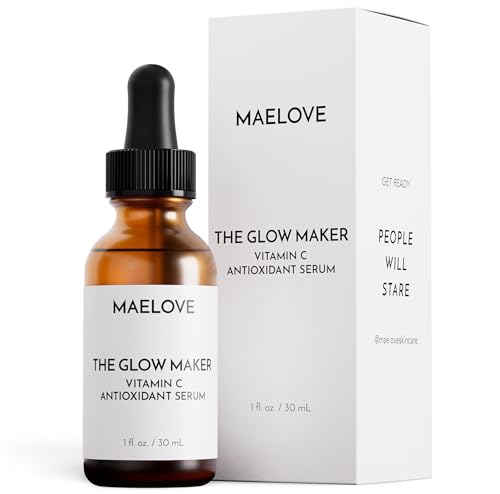
Glow Maker
Readers who want a well-formulated L-ascorbic acid serum without the prestige price tag

Glow Maker

Maelove

It leans on similar formulation logic to pricier serums: L-ascorbic acid plus vitamin E and ferulic acid. It costs a fraction of the price. That's why it's often called an affordable alternative to the prestige options.

Combines L-ascorbic acid with vitamin E and ferulic acid, echoing higher-end formulas
Opaque pump bottle helps limit light and air exposure
Noticeably cheaper per ounce than most L-ascorbic acid serums of similar formulation
The pump can dispense unevenly or feel like it needs priming, a minor but frequently mentioned annoyance
Editor's Pick #1
Moisturizing Cream
Normal to dry skin that wants a dermatologist-developed, fragrance-free daily moisturizer

CeraVe Moisturizing Cream

CeraVe

It pairs three essential ceramides with hyaluronic acid in a rich, fragrance-free base. Long-term users with dry, compromised skin consistently praise it. It's also inexpensive enough to use liberally.

Ceramide + hyaluronic acid formula supports the skin barrier
Fragrance-free and well-tolerated by sensitive skin
Large jar size makes it very cost-effective per ounce
The tub packaging means dipping fingers into the product, which isn't ideal for hygiene or portability
Editor's Pick #1
UV Clear Broad-Spectrum SPF 46
acne-prone, sensitive, or post-procedure skin that needs a dermatologist-trusted daily option

UV Clear Broad-Spectrum SPF 46

EltaMD

Dermatologists reach for EltaMD more than almost any other sunscreen. It pairs broad-spectrum zinc oxide protection with niacinamide and hyaluronic acid. The oil-free base is genuinely weightless and layers well under makeup.

Broad-spectrum SPF 46 with zinc oxide
Oil-free, non-comedogenic formula favored for acne-prone skin
Contains niacinamide and hyaluronic acid for added hydration
Pricier per ounce than most drugstore sunscreens, and the pump makes it easy to under-apply if you're not deliberate about the amount.
Editor's Pick #1
Skin Perfecting 2% BHA Liquid Exfoliant
Anyone dealing with clogged pores, blackheads, or rough, bumpy texture who wants an evidence-backed exfoliating toner

2% BHA Liquid Exfoliant

Paula's Choice

It's built around a well-studied 2% salicylic acid concentration at an effective pH. The base is fragrance-free and alcohol-free. That combination is why it's stayed a favorite among ingredient-focused shoppers for years, rather than fading as a trend.

2% salicylic acid at a pH that actually works
Fragrance-free and alcohol-free formula
Noticeably improves texture and blackheads with consistent use
The active concentration can cause redness or flaking in the first couple of weeks, so it's not the easiest starting point for very reactive or rosacea-prone skin
Editor's Pick #1
Contour Face
people who want the most clinically studied LED mask on the market and don't mind the price

Contour Face

Omnilux

Omnilux's LED technology is the same platform used in dermatology clinics. The Contour Face is its rigid, dermatologist-favorite home version, and it has more research behind it than most at-home competitors.

Extensive clinical research behind Omnilux's LED platform, more than most home devices
FDA-cleared for temporary reduction in the appearance of fine lines and wrinkles
Even, consistent light distance thanks to the rigid, hinged design
Rigid shell doesn't flex to different face shapes, there's no blue-light setting for acne, and it's one of the most expensive masks on the market

Affiliate disclosure: We may earn a commission from qualifying purchases made through links on this page, at no extra cost to you. Some links on this page are affiliate links.