





The stratum corneum, trans-epidermal water loss & dry skin
The outermost layer of skin is called the stratum corneum. It's where most of the barrier's real work happens. When it can't hold enough lipids and water, moisture escapes faster than skin can replace it. That process is called trans-epidermal water loss. It's what dry skin actually is, at a functional level — not just a texture on the surface.
What ceramides actually do for skin barrier repair
Ceramides are a family of lipid (fat) molecules. They occur naturally in the outermost layer of skin. They make up a significant portion of the material that holds skin cells together. Think of skin cells as bricks. Ceramides — along with cholesterol and fatty acids — are a large part of the mortar. When that mortar is intact, water stays where it should. When it's depleted, through aging, harsh skincare, weather, or conditions like eczema, water escapes faster than skin can replace it. The result is the tightness, flaking, and rough texture most people call dry skin.
Why topical ceramides help vs. occlusives like petrolatum
Applying ceramide-containing products doesn't just coat the skin. Synthetic and plant-derived ceramides used in skincare are structurally close enough to skin's own lipids to integrate into the outer barrier. Over time, they help rebuild it. That's different from a purely occlusive ingredient like petrolatum, which sits on top of skin and blocks water loss. Petrolatum never becomes part of the barrier itself. Ceramides work more slowly, but more structurally.
Ceramides, cholesterol & fatty acids: the 1:1:1 ratio
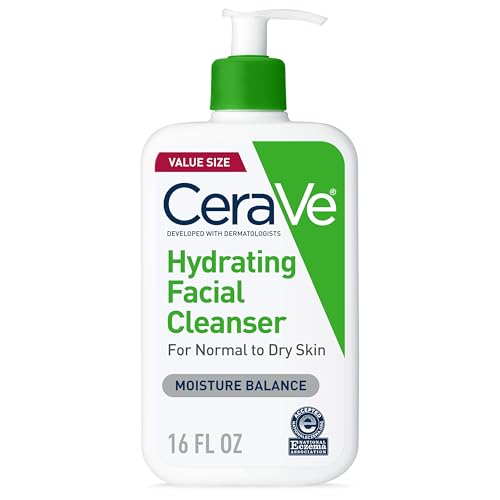
Research into skin's natural lipid composition has a consistent finding. Ceramides, cholesterol, and free fatty acids occur in roughly equal proportions in healthy skin. Formulations that mimic that 1:1:1 ratio — rather than using ceramides alone — tend to be more effective at restoring barrier function. That's part of why some of the most dermatologist-recommended dry-skin creams, including formulas from CeraVe and Vanicream, build around that exact balance. They don't just add a single named ceramide to a marketing list.
Not all ceramide claims are equal: reading the lipids list
A product that lists ceramide NP or ceramide 3 fourth from the bottom of a long ingredient list is doing far less work than a formula built around ceramides as a primary active. Concentration and formulation matter more than whether the word appears on the front of the bottle. Look for ceramides listed relatively high in the lipids and ingredient list — ideally alongside cholesterol and fatty acids, the way Kiehl's and La Roche-Posay tend to formulate, rather than alone.
Who benefits: eczema-prone, over-exfoliation & aging skin
- Chronically dry or flaky skin that doesn't respond well to hydration-only products like plain hyaluronic acid serums.
- Eczema-prone or highly reactive skin, where barrier dysfunction is often part of the underlying issue rather than just a symptom — formulas like First Aid Beauty's oatmeal-based creams pair ceramides with soothing ingredients for this group.
- Skin damaged by over-exfoliation, from retinoids, acids, or physical scrubs used too aggressively. Ceramides can help rebuild what's been stripped away.
- Aging skin, since natural ceramide production tends to decline over time. That decline contributes to the drier, thinner-feeling skin many people notice.
How to layer ceramides with retinoids, hyaluronic acid & humectants
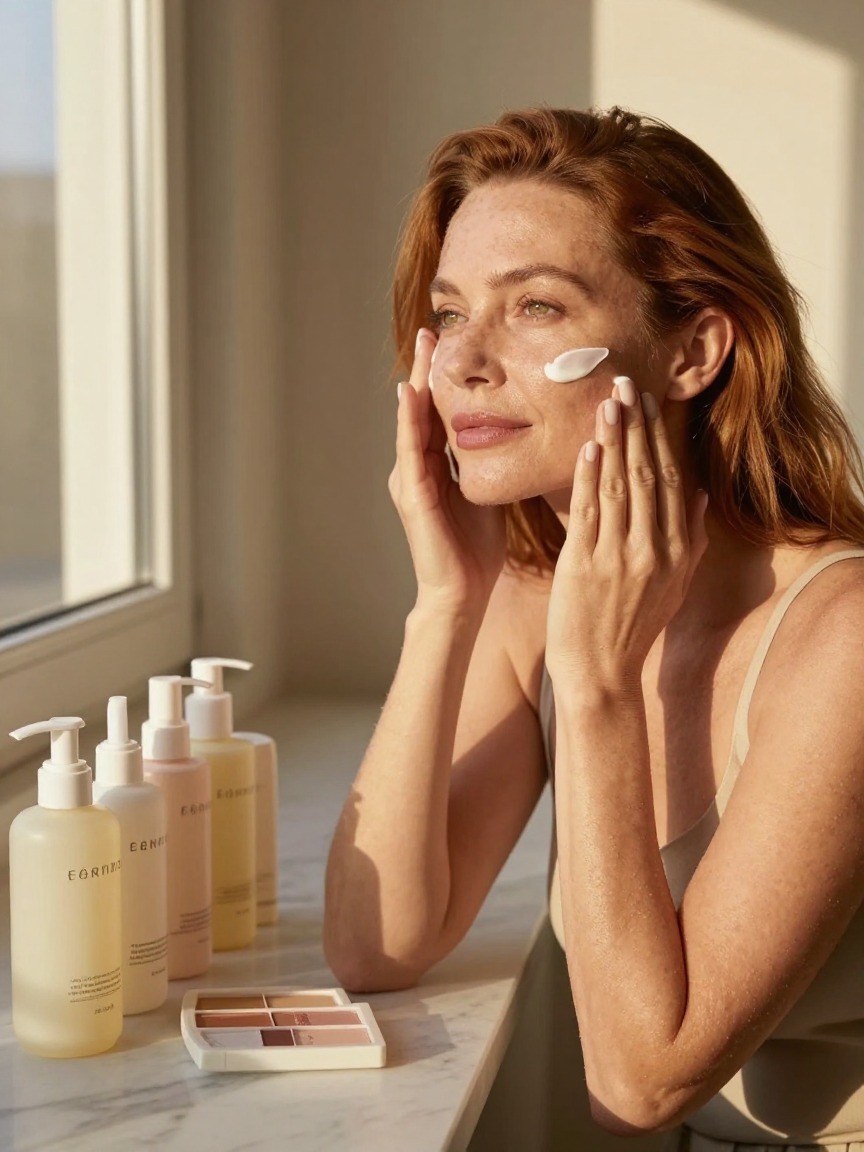
Ceramide creams work best as one of the last steps in a routine. Apply them after water-based serums, while skin is still slightly damp. A hyaluronic acid serum or other humectant goes on first; the ceramide cream seals it in. Avoid layering ceramides under high concentrations of exfoliating acids or retinoids in the same routine. That can undercut the barrier repair ceramides are trying to achieve. Consistency matters more than most people expect. Ceramides rebuild structure rather than delivering an instant hydration hit. Most users, whether they reach for Neutrogena or a pricier option, notice a meaningful difference after two to four weeks of regular use, not immediately.
The limits of ceramides alone: dermatologist visits for contact dermatitis
Ceramides are not a fix for every kind of dryness. Skin can be dehydrated mainly from a lack of water, not a lack of lipids. In that case, a ceramide-heavy cream without any humectant (like hyaluronic acid or glycerin) may feel rich without resolving the tightness. If dryness comes with persistent redness, cracking, or itching that doesn't improve with a consistent ceramide-based routine over several weeks, that's a signal to see a dermatologist. Don't keep experimenting with over-the-counter creams — it may point to eczema, contact dermatitis, or another condition that needs targeted treatment.