


Skip to content
Moisturizers for Dry Skin · Deep dive

Day vs Night Cream for Dry Skin

Do dry skin types need separate day cream and night cream?

Not always. For a lot of people with dry skin, splitting day and night moisturizers solves two problems at once. It beats compromising on both. A day cream works around sunscreen, makeup, and stress like UV, pollution, and wind. A night cream has none of those constraints. It can focus purely on repair. That means it can be richer and heavier than anything you'd wear under foundation.

What a day cream needs: sunscreen, humectants & antioxidant support

During the day, a moisturizer for dry skin fights two things at once: water loss and environmental stress. A good day cream absorbs fast. It shouldn't pill under sunscreen or makeup. Humectants like hyaluronic acid or glycerin keep pulling moisture in through the day. Barrier repair alone won't offset water lost to a dry office or heater.

Vitamin C, niacinamide, antioxidants & makeup compatibility

Antioxidants — vitamin C, niacinamide, or vitamin E — help offset UV and pollution exposure. Dry, compromised skin barriers tend to be more reactive to that stress. Compatibility with sunscreen matters too. Dry skin still needs daily SPF. A day cream that pills under sunscreen or makeup defeats the purpose of both.

What a night cream can do: ceramides, retinoids & barrier repair

Skin's natural repair processes speed up overnight. Cell turnover and barrier lipid synthesis both pick up pace. Without makeup or sunscreen to work around, a night formula can lean further into occlusive, barrier-repair ingredients. Higher concentrations of ceramides, cholesterol, and fatty acids can rebuild the barrier while skin is in repair mode. La Roche-Posay and CeraVe both build ceramide-forward night formulas for this reason.

Shea butter, squalane & petrolatum for overnight occlusives

Richer occlusives like shea butter, squalane, or petrolatum-based balms feel too heavy under makeup. They're better left to absorb over several hours instead. Actives like retinoids are photosensitizing. They're meant for nighttime use. Anyone with dry or reactive skin should introduce them slowly. Pair them with strong moisturizer support, not instead of it.

When one hyaluronic acid moisturizer covers both cream steps

Splitting day and night isn't mandatory. Maybe your skin isn't severely dry. Maybe you don't wear much makeup. Or budget and simplicity matter more than optimizing every step. In any of those cases, a single fragrance-free, ceramide-and-hyaluronic-acid moisturizer works fine morning and night. Just layer sunscreen on top in the morning. The main case for splitting: one cream is being asked to do two conflicting jobs. It needs to stay light for daytime wear, yet rich enough for real barrier repair.

Signs it's worth adding a dedicated night cream

  • Your skin still feels tight or looks flaky by evening, even though your day cream feels fine in the morning.
  • You wake up with visible dry patches, especially around the nose, cheeks, or mouth.
  • Your moisturizer pills under sunscreen or makeup when you apply enough to address the dryness.
  • You're using retinoids or exfoliating acids and need a richer barrier-repair step to offset the extra dryness.

Cell turnover, dermatologist visits & a simple way to think about it

Day cream's job is protection plus light, layerable hydration. Night cream's job is repair, timed to skin's own overnight cell turnover. If you only buy one moisturizer, prioritize a ceramide-forward formula, like CeraVe's or La Roche-Posay's. Use a thin layer during the day. Use a more generous one at night. If a thin daytime layer never feels like enough, that's the signal to add a second, richer product for nighttime. Persistent dryness, cracking, or irritation despite a consistent routine over several weeks is worth a dermatologist visit. Don't keep experimenting with over-the-counter products alone.
You may be interested in

Popular picks from related categories, chosen with the same rubric.

Editor's Pick #1
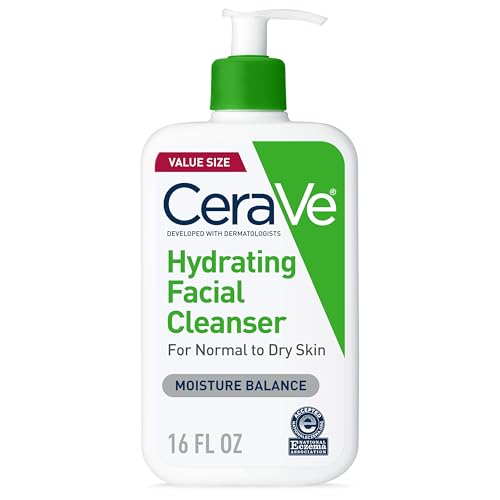
Hydrating Facial Cleanser
Dry-to-normal sensitive skin, especially anyone also using retinoids or other actives

Hydrating Facial Cleanser

CeraVe

It's formulated with three ceramides, hyaluronic acid, and a National Eczema Association seal. Dermatologists mention it most often for reactive skin. It's a genuinely non-foaming, low-irritation formula that doesn't strip the barrier.

Ceramide and hyaluronic acid formula supports the skin barrier while cleansing
Fragrance-free, non-foaming, and won't disrupt a compromised moisture barrier
Budget-friendly per ounce and widely available at drugstores
Doesn't fully dissolve heavy sunscreen or long-wear makeup on its own, so double-cleansing days may need a micellar water or oil-based first step
Best Value #2
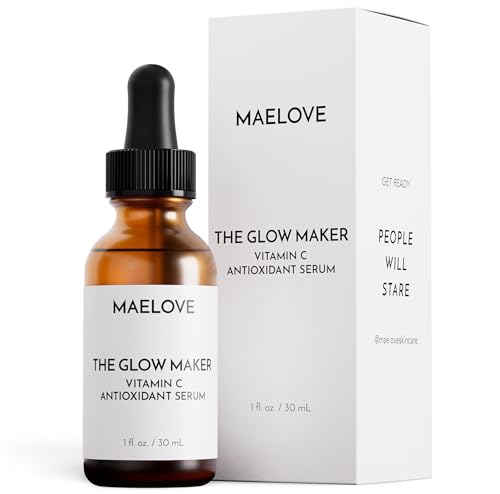
Glow Maker
Readers who want a well-formulated L-ascorbic acid serum without the prestige price tag

Glow Maker

Maelove

It leans on similar formulation logic to pricier serums: L-ascorbic acid plus vitamin E and ferulic acid. It costs a fraction of the price. That's why it's often called an affordable alternative to the prestige options.

Combines L-ascorbic acid with vitamin E and ferulic acid, echoing higher-end formulas
Opaque pump bottle helps limit light and air exposure
Noticeably cheaper per ounce than most L-ascorbic acid serums of similar formulation
The pump can dispense unevenly or feel like it needs priming, a minor but frequently mentioned annoyance
Editor's Pick #1
UV Clear Broad-Spectrum SPF 46
acne-prone, sensitive, or post-procedure skin that needs a dermatologist-trusted daily option

UV Clear Broad-Spectrum SPF 46

EltaMD

Dermatologists reach for EltaMD more than almost any other sunscreen. It pairs broad-spectrum zinc oxide protection with niacinamide and hyaluronic acid. The oil-free base is genuinely weightless and layers well under makeup.

Broad-spectrum SPF 46 with zinc oxide
Oil-free, non-comedogenic formula favored for acne-prone skin
Contains niacinamide and hyaluronic acid for added hydration
Pricier per ounce than most drugstore sunscreens, and the pump makes it easy to under-apply if you're not deliberate about the amount.
Editor's Pick #1
Super Volcanic Pore Clay Mask 2X
oily, pore-prone skin that wants a formula built specifically around pore congestion

Super Volcanic Pore Clay Mask 2X

innisfree

Two types of volcanic clay target sebum and blackheads. The texture isn't chalky or hard to remove like older clay formulas. It's also genuinely affordable for how often you'll reach for it.

Lightweight, non-cakey texture that spreads and rinses easily
Visibly reduces the look of congested pores after a single use
Priced low enough to use regularly without guilt
The mineral scent is noticeable and won't appeal to everyone
Editor's Pick #1
Skin Perfecting 2% BHA Liquid Exfoliant
Anyone dealing with clogged pores, blackheads, or rough, bumpy texture who wants an evidence-backed exfoliating toner

2% BHA Liquid Exfoliant

Paula's Choice

It's built around a well-studied 2% salicylic acid concentration at an effective pH. The base is fragrance-free and alcohol-free. That combination is why it's stayed a favorite among ingredient-focused shoppers for years, rather than fading as a trend.

2% salicylic acid at a pH that actually works
Fragrance-free and alcohol-free formula
Noticeably improves texture and blackheads with consistent use
The active concentration can cause redness or flaking in the first couple of weeks, so it's not the easiest starting point for very reactive or rosacea-prone skin
Editor's Pick #1
Contour Face
people who want the most clinically studied LED mask on the market and don't mind the price

Contour Face

Omnilux

Omnilux's LED technology is the same platform used in dermatology clinics. The Contour Face is its rigid, dermatologist-favorite home version, and it has more research behind it than most at-home competitors.

Extensive clinical research behind Omnilux's LED platform, more than most home devices
FDA-cleared for temporary reduction in the appearance of fine lines and wrinkles
Even, consistent light distance thanks to the rigid, hinged design
Rigid shell doesn't flex to different face shapes, there's no blue-light setting for acne, and it's one of the most expensive masks on the market

Affiliate disclosure: We may earn a commission from qualifying purchases made through links on this page, at no extra cost to you. Some links on this page are affiliate links.