Humectants, occlusives & how skin barrier repair works
Dry skin isn't about needing more product. It's usually a compromised skin barrier. That barrier loses water faster than it can hold onto it — dermatologists call this trans-epidermal water loss. The best moisturizers for dry skin do two jobs at once. They pull water into skin with humectants. Then they seal it there with occlusives. Look for both, not just one.
Ceramides, hyaluronic acid, glycerin & niacinamide to check for
- Ceramides — lipids that are naturally part of your skin barrier. Topical ceramides help rebuild it. Look for formulas with a 1:1:1 ceramide-cholesterol-fatty acid ratio.
- Hyaluronic acid and glycerin — humectants that draw water into the top layer of skin. They work best under something that locks moisture in, not applied to bare dry skin in a low-humidity room.
- Niacinamide — supports barrier function. It can also calm the redness that often comes with dry, compromised skin.
Squalane, shea butter, petrolatum & gel-cream textures
Squalane, shea butter, and petrolatum are occlusives and emollients that physically slow water loss. Petrolatum is one of the most studied and effective barrier ingredients, despite its unglamorous reputation. A thick balm in a jar delivers more occlusive power, but it isn't ideal under makeup. A gel-cream layers better in humid climates or under sunscreen. It may not be rich enough for genuinely flaky, tight skin in winter. Match the format to your climate and routine, not just the ingredient list.
Fragrance-free formulas and sunscreen layering
Skin feels oily on top but tight underneath? That combination usually means dehydration, not excess oil. The fix is still a barrier-supporting cream, not a stripping cleanser. Don't assume a product labeled for dry skin is automatically fragrance-free — check the ingredient list. Added fragrance is one of the most common irritants for a compromised skin barrier. In the morning, layer your moisturizer under sunscreen and give it a minute to absorb first.
Common mistakes with trans-epidermal water loss
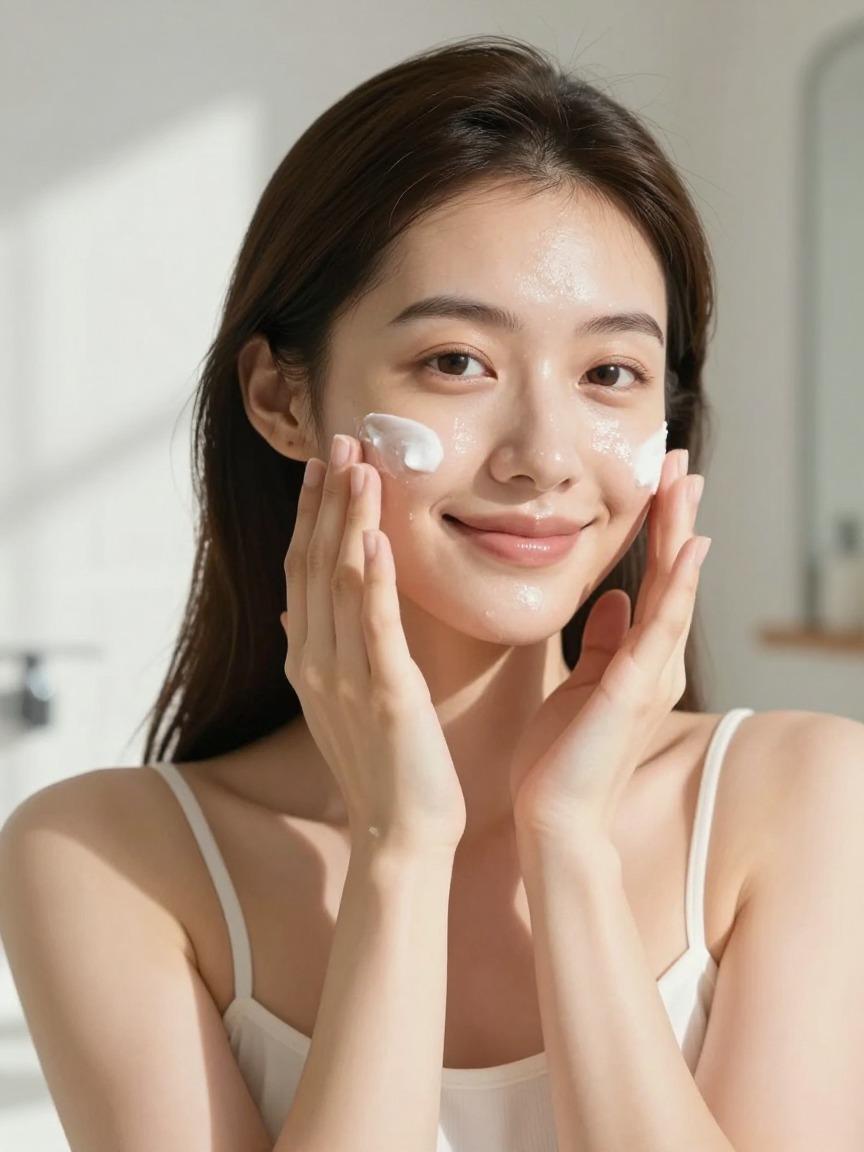
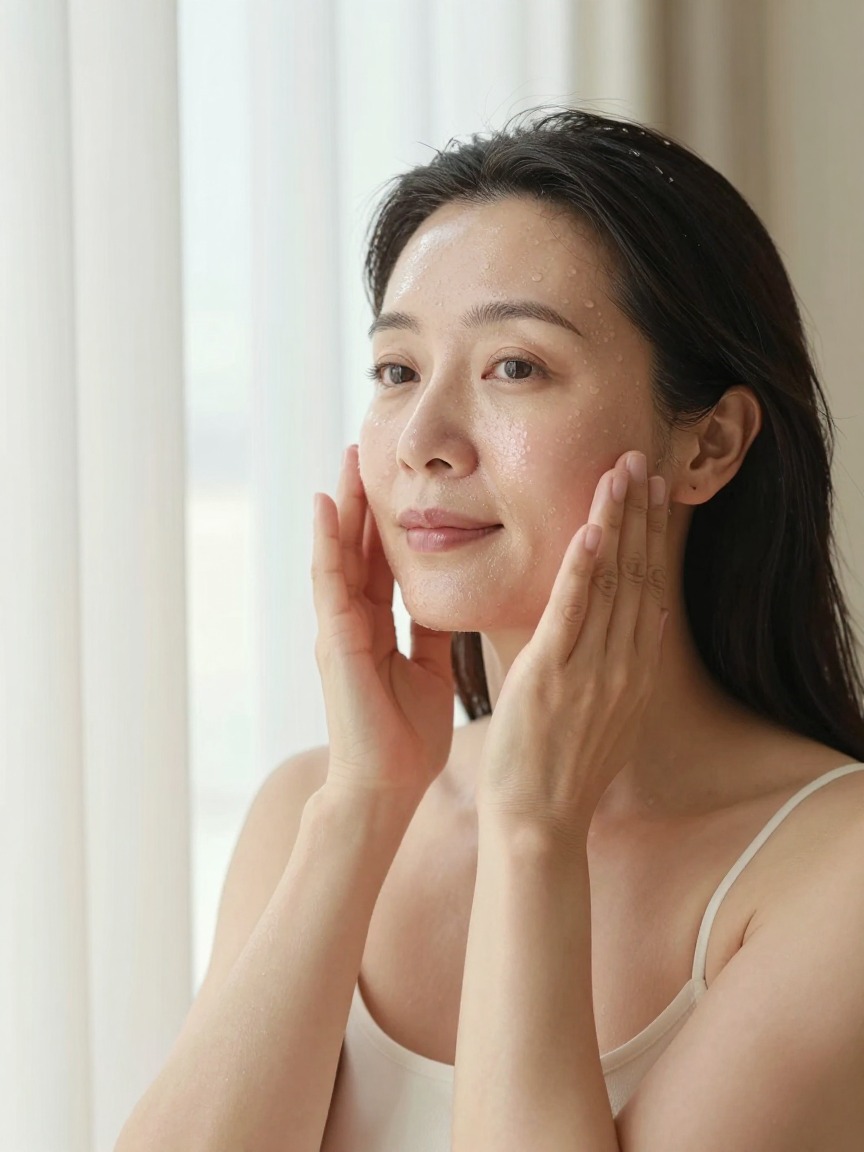
Applying moisturizer to fully dry skin is a common mistake. Humectant ingredients work far better on slightly damp skin, right after cleansing or misting. Switching products every time skin flares is another. Dry, reactive skin usually improves with a boring, consistent routine over four to six weeks, not frequent swapping.
Non-comedogenic picks and when to see a dermatologist
Prone to breakouts? Look for non-comedogenic on the label — it won't clog pores while it treats dryness. If dryness is sudden, severe, or comes with persistent redness, cracking, or itching that doesn't improve with a consistent barrier-repair routine, see a dermatologist. That can be a sign of eczema, a reaction, or another condition that needs more than an over-the-counter moisturizer.
Cream, balm or gel-cream: which format to buy
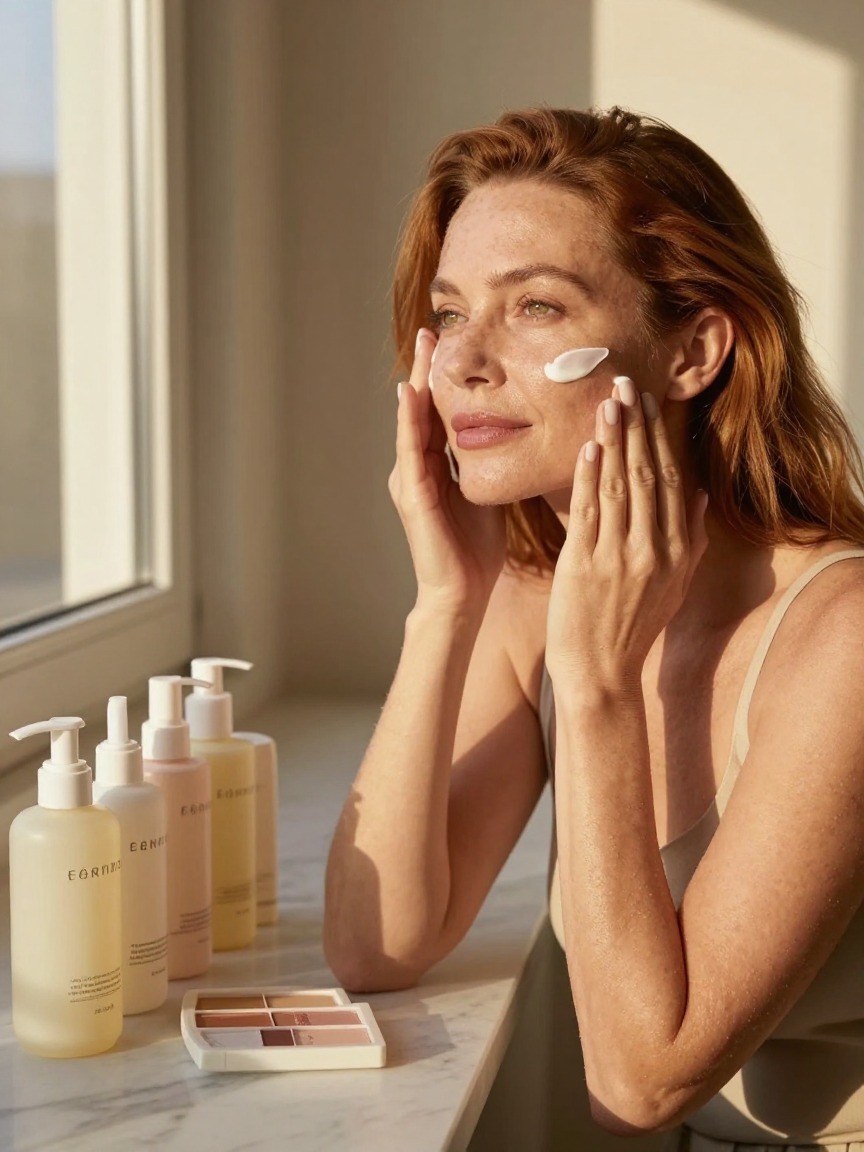
For dry skin, the jar's format is a genuine buying decision. A thick cream or balm in a tub delivers the most occlusive power for tight, flaky skin and cold weather, though it's less pleasant under makeup. A gel-cream layers better in humid climates and under sunscreen, but may not be rich enough for genuinely parched winter skin. Many people do best owning two — a lighter formula for day and a richer one for night — rather than hunting for a single cream that does everything.
Reading the label for real barrier support
The best moisturizers for dry skin pair a humectant with an occlusive, so scan for both on the label rather than trusting a for dry skin banner. Look for ceramides, glycerin, hyaluronic acid, squalane, shea butter, or petrolatum named specifically; a formula built around them beats one padded with fragrance and botanical extracts. Don't assume a dry-skin product is fragrance-free — added fragrance is a leading irritant for a compromised barrier, so check for it, especially if your skin flares easily.
Spend vs save, and matching a pick to your dryness
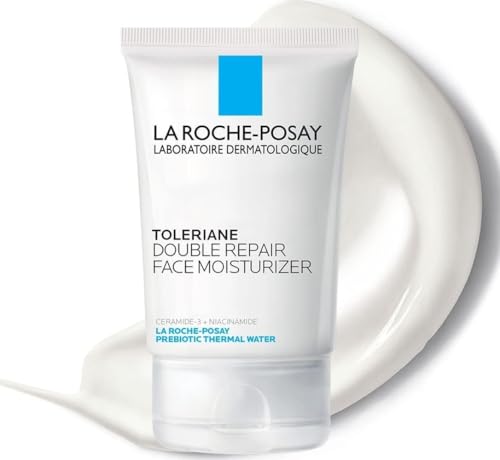
Dry skin is well served at drugstore prices. Fragrance-free barrier creams like CeraVe's or Vanicream's, a reactive-skin formula like La Roche-Posay's Toleriane, or an intensive option like First Aid Beauty's Ultra Repair cover most dryness cheaply. A light gel like Neutrogena's Hydro Boost suits dry skin that turns congested under a heavier cream in warm weather. Spend up for something like Kiehl's Ultra Facial Cream only if you want its particular feel — price doesn't buy better barrier repair here. Give any pick four to six weeks of consistent use before deciding it isn't working.