





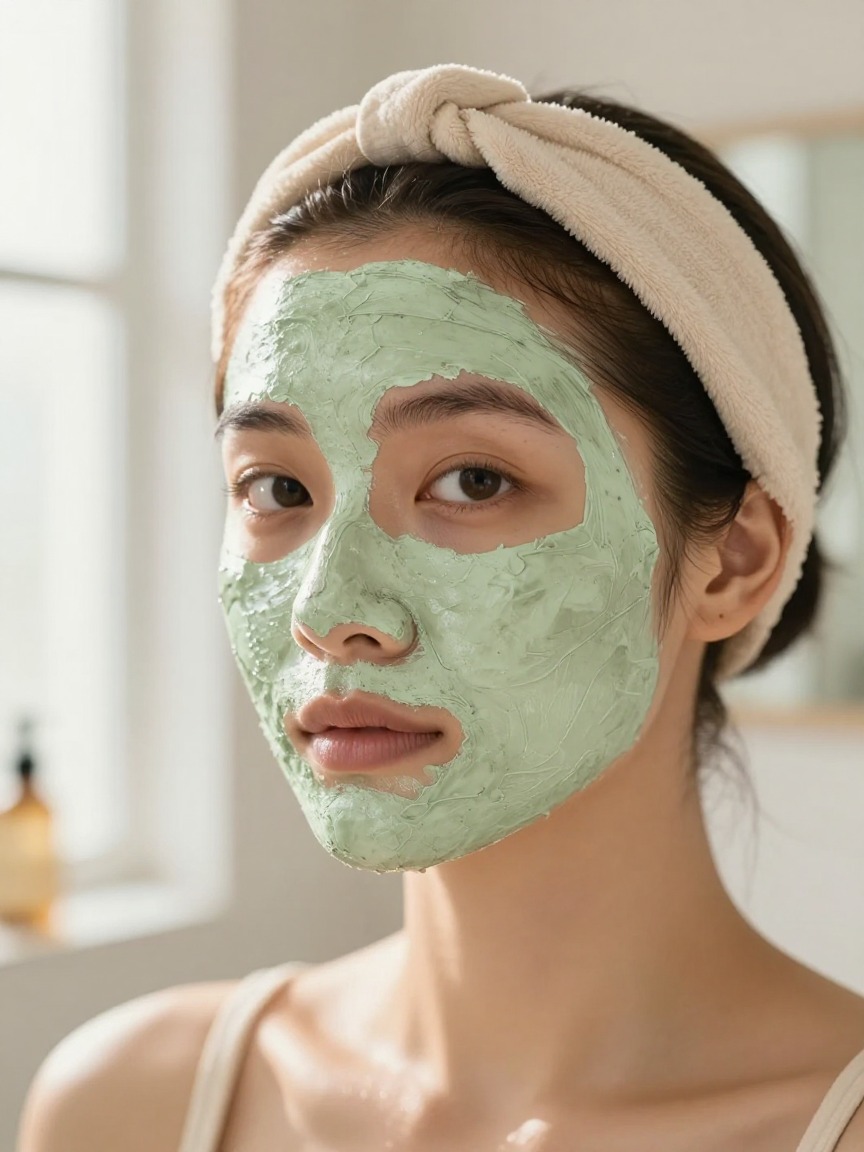


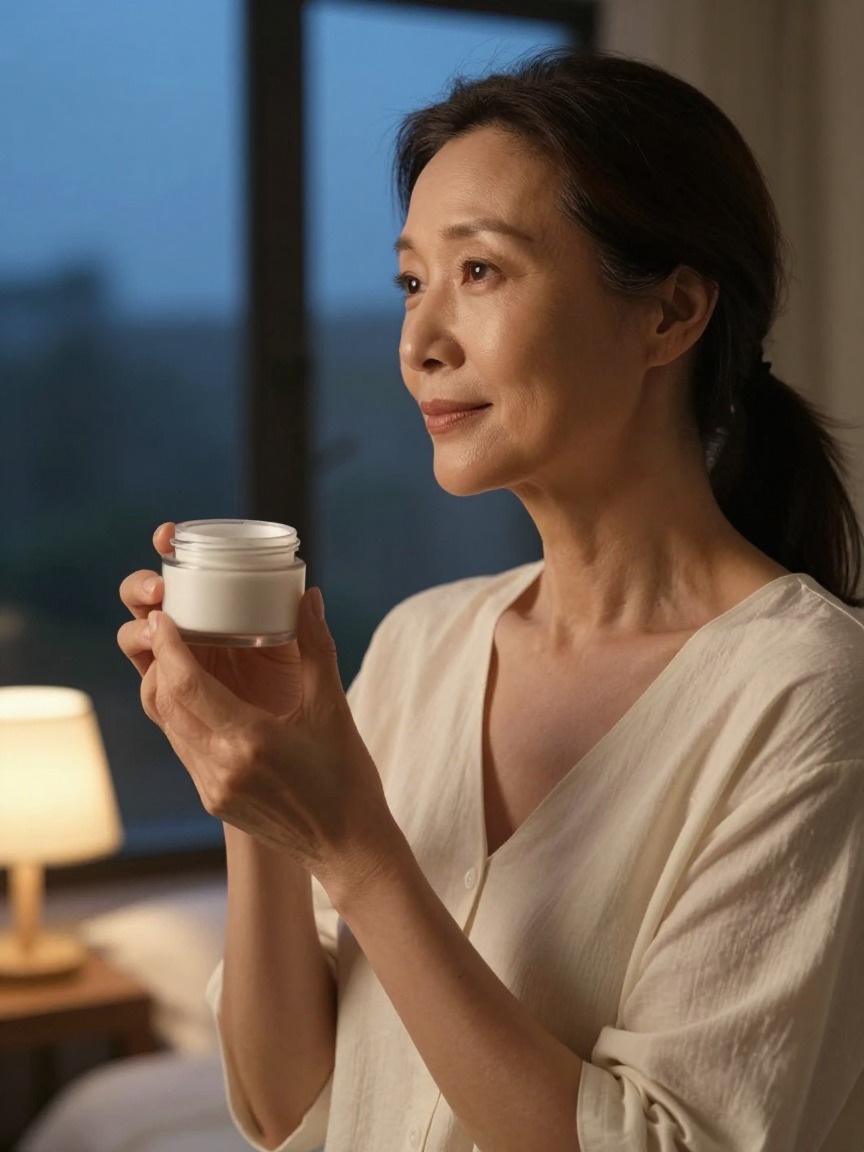
Why night cream and day moisturizer serve different jobs
Day and night moisturizers aren't just the same cream marketed twice. Well-formulated versions are built for genuinely different jobs. A day moisturizer's main task is protecting skin through hours of sun exposure, pollution, wind, and makeup. A night cream's job is supporting repair while skin isn't fighting the environment. That's when ingredients like retinoids do their most useful work, since sunlight breaks retinoids down and raises skin's UV sensitivity.
What day moisturizers are built for: SPF, broad-spectrum sunscreen, antioxidants and vitamin C
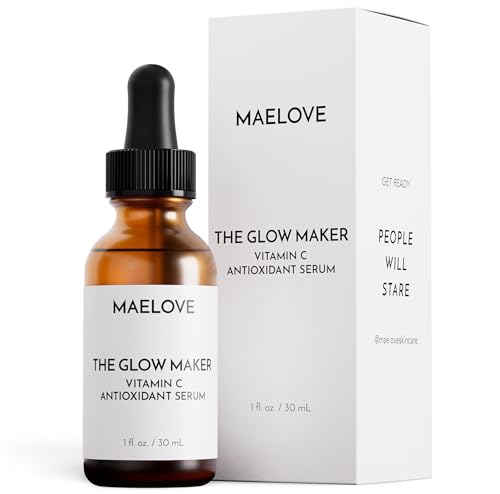
A good day moisturizer prioritizes broad-spectrum SPF, or is designed to wear under a separate sunscreen. It needs a texture that sits comfortably under makeup. It also carries antioxidants like vitamin C or vitamin E that help neutralize some environmental damage skin meets during the day. Retinoids are typically left out of day formulas, or included at a very low, stabilized level. UV light degrades them, and using a strong retinoid without diligent sun protection can do more harm than good.
What night creams are built for: retinoids, occlusive textures and repair
Night creams skip the SPF requirement entirely. Instead they prioritize repair-oriented ingredients — retinoids, peptides, richer emollients — that work better without daytime UV exposure or are simply too heavy to wear comfortably under makeup and sunscreen. Skin isn't losing moisture to evaporation and environmental stress the same way overnight. That's part of why a night cream can afford a richer, more occlusive texture without feeling unpleasant, and why many anti-wrinkle formulas are heavier than their daytime counterparts.
Retinoid photosensitivity and UV exposure: why timing matters
Using a retinoid-containing product during the day, even under sunscreen, isn't recommended. It increases photosensitivity, and the ingredient itself breaks down faster in sunlight. You get less benefit for more risk. This is the core reason retinoids belong in a night routine rather than a morning one.
Can an emollient moisturizer work for both day and night?
For some people, yes. If your day moisturizer already contains sunscreen and your skin doesn't need anything more targeted at night, there's no strict requirement to buy two separate products. But if you're specifically trying to reduce fine lines and texture, a dedicated night cream — or a retinoid serum under a plain, emollient moisturizer — gives you access to ingredients that don't belong in a daytime formula.
Do you need a separate retinol serum plus a night cream?
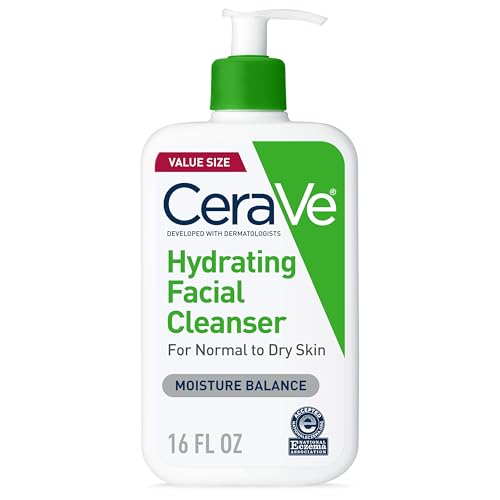
Not necessarily. Many anti-wrinkle night creams already contain a retinoid, meaning the cream is the treatment rather than something you layer a retinol serum underneath. Using both a dedicated retinol serum and a retinol-containing night cream in the same routine is one of the more common causes of over-irritation, since you're effectively doubling the active without realizing it. Brands like RoC, Olay, Neutrogena, La Roche-Posay, and SkinCeuticals build their retinol night creams as a single, complete step for exactly this reason, while CeraVe's retinol-free version pairs easily with a separate treatment.
Layering, makeup and a simple two-step routine
In the morning: cleanser, any lightweight serum, then a moisturizer with broad-spectrum SPF 30 or higher, applied before makeup. At night: cleanser, any non-retinoid serums, then the anti-wrinkle night cream as the last step, skipping a separate retinol product if the night cream already contains one. This keeps layering simple and avoids doubling up on actives by accident.
What doesn't change: skin barrier and environmental protection
Gentle cleansing, consistent hydration, and sunscreen are non-negotiable regardless of what night product you're using. A strong retinoid at night doesn't make up for skipping SPF in the morning — in fact it makes daily environmental protection more important, not less, since a compromised skin barrier is more reactive to everything layered on top of it. If you're unsure whether your day and night products are working together or against each other, list the active ingredients in each and check for unintentional overlap before adding anything new.