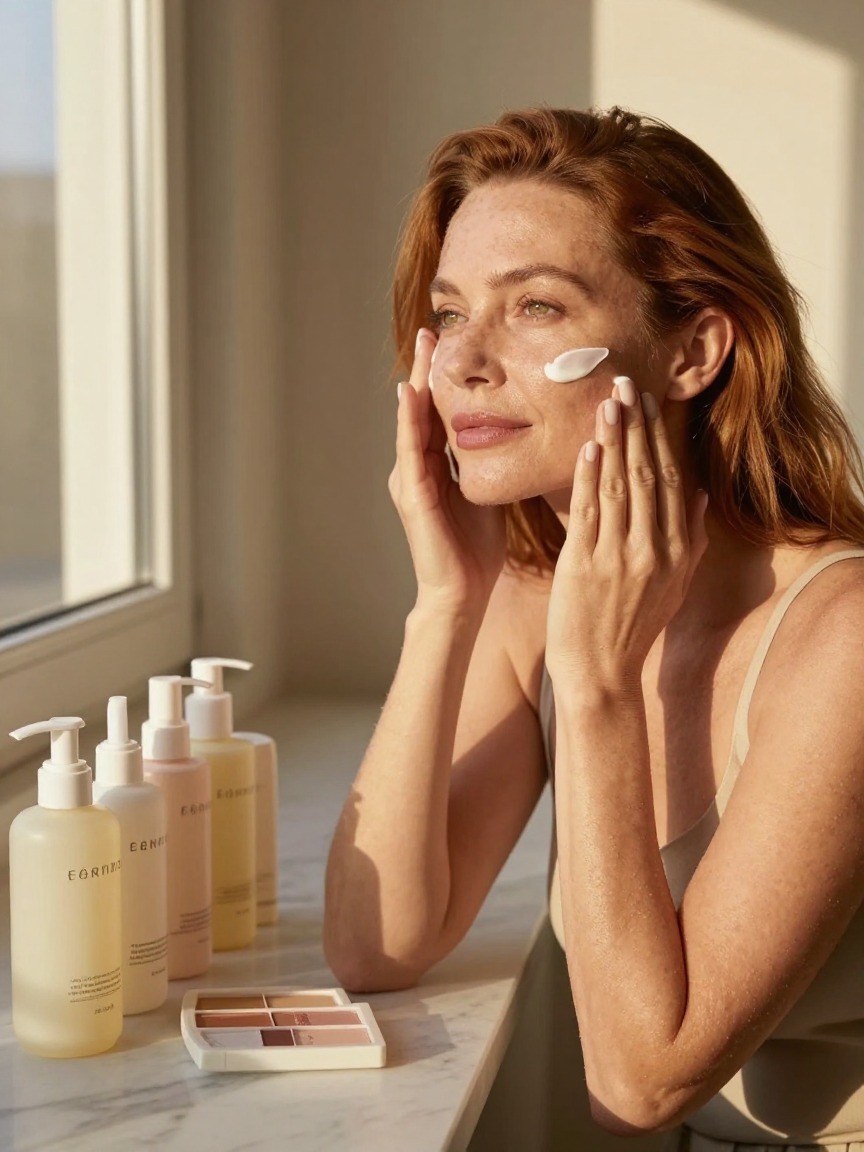
Retinol, retinaldehyde, tretinoin and other retinoids: fading fine lines
No cream erases a wrinkle overnight. The “overnight” label is about timing, not instant results. A genuinely effective night cream pairs a proven ingredient with real evidence behind it. Enough hydration keeps that ingredient from irritating skin.
Retinol, retinaldehyde, and prescription tretinoin are the retinoids with the strongest evidence for fine lines. They speed cell turnover and support collagen production over months of steady use. Retinol is the mildest and most common option. Retinaldehyde converts faster and acts a little stronger. Tretinoin, available only by prescription, works fastest but carries the highest irritation risk. Formula quality and consistent use matter more than the brand name on the jar.
Peptides, niacinamide, ceramides and hyaluronic acid: supporting collagen
Peptides signal skin to support its own collagen. They're gentler and slower than retinoids, and a reasonable alternative if you can't tolerate one. Niacinamide supports the skin barrier and evens tone. It pairs well with retinoids, easing some of the dryness they cause.
Ceramides and hyaluronic acid don't fade wrinkles directly. But a dehydrated, damaged barrier makes fine lines more visible. A well-hydrated base matters almost as much as the active ingredient itself.
Choosing by skin type: dry skin, oily skin and sensitive skin
New to retinoids? Start with a lower-strength, well-buffered formula. A cream pairing retinol with ceramides and niacinamide is easier to tolerate. It beats a bare retinol serum for comfort.
Dry or mature skin usually does better with a richer, more emollient cream. Oily or acne-prone skin often prefers a lighter gel-cream. Sensitive, reactive, or rosacea-prone skin should start with a retinol-free formula built around peptides and ceramides. Introduce a retinoid later, if at all, under a dermatologist's guidance. Antioxidants like vitamin C suit morning use best, for environmental protection, though some night formulas include them anyway.
Fragrance-free formulas and irritation risk
Fragrance adds scent, not skincare benefit. It's one of the more common causes of irritation. That's especially true on skin already adjusting to a new active. A fragrance-free formula lowers that risk without sacrificing effectiveness. If your skin reacts easily, check the ingredient list for fragrance before buying.
Common mistakes that slow anti-aging and cell turnover
- Starting a strong retinoid nightly instead of building up slowly. Two to three nights a week for the first few weeks is safer.
- Skipping sunscreen the next morning. Retinoids increase sun sensitivity, and unprotected sun exposure works against the cream's whole purpose.
- Layering too many actives at once. Combining a strong retinoid with exfoliating acids or high-strength vitamin C often causes irritation.
- Expecting visible change within days. Most retinoid creams need 8 to 12 weeks of steady use before a real difference in fine lines and texture shows up.
Sunscreen, dermatologists, and drugstore pricing: what matters most
Daily sunscreen isn't optional if you're using a retinoid. Skipping it works against the entire point of the cream. A higher drugstore price doesn't guarantee a better result. Ingredient quality and consistent use matter more than the number on the price tag.
Persistent redness, burning, or breakouts that don't settle after a few weeks are worth discussing with a dermatologist. Don't just push through irritation, or keep switching products hoping for a better reaction.
Matching a formula to your budget and experience level
The right pick depends less on price than on where your skin is starting from. If you have never used a retinoid, a well-established, budget-friendly drugstore retinol with a long track record — the category RoC is known for — is a sensible first jar. Shoppers who want that same accessible price but a more modern, tolerable texture tend to reach for a newer retinol moisturizer built to be gentler than older-style formulas, the niche Olay occupies. If retinol simply doesn’t agree with your skin, a retinol-free, ceramide-rich night cream in the CeraVe mold delivers the hydration and barrier support without the active. Only after you’ve built genuine tolerance is it worth paying up for a fluid, higher-strength option like La Roche-Posay’s, or the strongest over-the-counter concentrations aimed at experienced users, as SkinCeuticals does.
Reading the label instead of the front-of-jar claims
Clinically proven, dermatologist-tested, and advanced anti-aging complex are marketing phrases, not guarantees. Turn the jar over. You want a named retinoid or a recognizable peptide blend sitting high on the ingredient list, humectants like glycerin or hyaluronic acid, and a barrier ingredient such as ceramides. Packaging matters more than shoppers expect: opaque, air-tight tubes or pumps protect retinoids and antioxidants far better than a wide-mouth jar that lets light and air degrade them. A quieter label with a well-built base usually outperforms a louder one selling a proprietary-sounding name and little else.