





Skip to content
Morning vs Night Skincare Routine · Deep dive

What Belongs in a Morning Routine

What Belongs in a Morning Routine

A morning routine has one real job: get skin ready to survive the day, not to fix it. That distinction shapes everything about what belongs in it, and just as importantly, what doesn't.

The Job of a Morning Routine: Antioxidant Serum, Sun Exposure & UV Radiation Defense

Between waking up and walking out the door, skin is about to face sun exposure, pollution, and temperature shifts. The morning routine's purpose is defensive. Hydrate enough that skin isn't compromised. Add an antioxidant serum to help offset the free-radical damage UV radiation will generate. Finish with sunscreen, which does more to prevent visible aging than any other single product category. None of this is about intensive repair. That's what the night routine is for.

The AM Order: Cleanser, Vitamin C & Hydrating Serum First

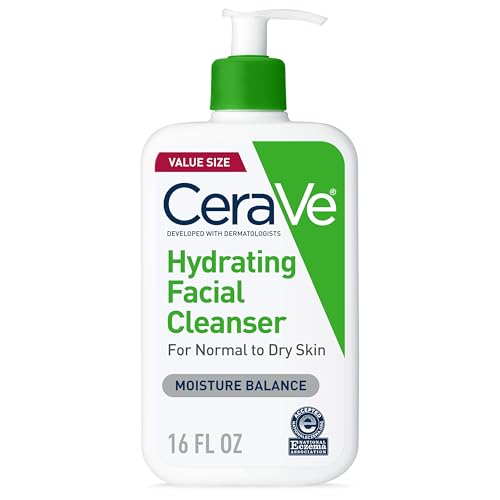
Cleanse first, with a gentle option like CeraVe Hydrating Facial Cleanser, but keep it light. If skin isn't visibly oily after sleep, a lukewarm water rinse or a very gentle cleanser is enough. There's no need for the deep clean an evening routine requires, since skin hasn't faced a full day of pollution yet. After cleansing, apply water-based serums to clean, slightly damp skin, starting with the thinnest textures. A vitamin C or other antioxidant serum, like La Roche-Posay's 10% Pure Vitamin C Serum, goes here. On top of it, a hydrating serum can add a layer of moisture for skin that runs dry.

Moisturizer, Sunscreen & Broad-Spectrum SPF: The Final AM Steps

Moisturizer comes next. It should be light enough to layer comfortably under sunscreen and, for many people, makeup. Sunscreen is always the last step. Broad-spectrum SPF should be applied generously rather than thinly, since underapplication is one of the most common reasons sunscreen underperforms its labeled number.

What to Leave Out: Retinoid, Exfoliating Acid & Occlusive Creams

It's a common mix-up for people newer to skincare: a routine built entirely from whatever's on the bathroom shelf, morning and night alike. That approach usually means missing sunscreen, doubling up on actives skin isn't ready for, or both.

A retinoid and other high-strength exfoliating acid treatments don't belong in a morning routine. These ingredients increase how easily skin burns and reacts to UV light. Applying them right before a day of sun exposure works against their own purpose. Strong physical scrubs are also better left for the evening. And heavier, occlusive night creams generally feel too rich for daytime. They can trap heat and sweat under makeup or SPF, which isn't what anyone wants by midafternoon.

Adjusting for Oily Skin, Dry Skin, Combination Skin & Niacinamide

Oily skin usually does well with a foaming or gel cleanser in the morning. An oil-free, niacinamide-containing moisturizer won't add shine before SPF goes on. Dry skin tends to do better skipping the cleanser step some mornings entirely, relying on a hydrating serum and a richer, SPF-compatible moisturizer. Combination skin can usually get away with one moisturizer across the whole face in the morning, even if the night routine treats the T-zone and cheeks differently. Whatever the skin type, the sunscreen step doesn't change. Everyone needs broad-spectrum protection, applied in sufficient amount, every single morning.

Building the Habit

A four-step morning routine sounds simple, but consistency is what actually makes it work. Skipping sunscreen on a cloudy day, or on a day spent mostly indoors, is one of the more common ways people undercut months of otherwise diligent skincare. UV radiation still reaches skin through window glass and on overcast days, just at lower intensity, which is why a broad-spectrum SPF habit needs to hold every morning, not just on obviously sunny ones. Keeping the routine to four dependable steps, cleanser, antioxidant serum, moisturizer, and sunscreen, makes it easier to stick with than a longer routine that gets skipped on busy mornings.
You may be interested in

Popular picks from related categories, chosen with the same rubric.

Editor's Pick #1
Hydrating Facial Cleanser
Dry-to-normal sensitive skin, especially anyone also using retinoids or other actives

Hydrating Facial Cleanser

CeraVe

It's formulated with three ceramides, hyaluronic acid, and a National Eczema Association seal. Dermatologists mention it most often for reactive skin. It's a genuinely non-foaming, low-irritation formula that doesn't strip the barrier.

Ceramide and hyaluronic acid formula supports the skin barrier while cleansing
Fragrance-free, non-foaming, and won't disrupt a compromised moisture barrier
Budget-friendly per ounce and widely available at drugstores
Doesn't fully dissolve heavy sunscreen or long-wear makeup on its own, so double-cleansing days may need a micellar water or oil-based first step
Best Value #2
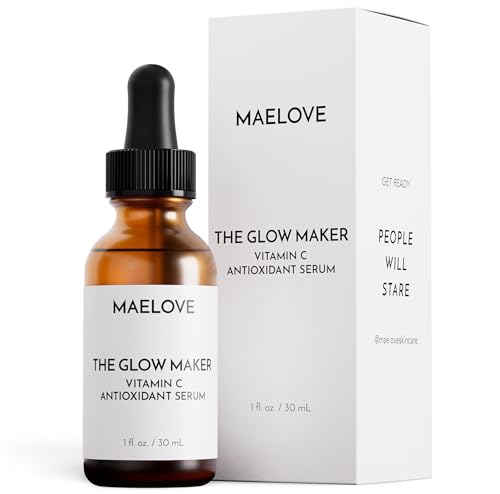
Glow Maker
Readers who want a well-formulated L-ascorbic acid serum without the prestige price tag

Glow Maker

Maelove

It leans on similar formulation logic to pricier serums: L-ascorbic acid plus vitamin E and ferulic acid. It costs a fraction of the price. That's why it's often called an affordable alternative to the prestige options.

Combines L-ascorbic acid with vitamin E and ferulic acid, echoing higher-end formulas
Opaque pump bottle helps limit light and air exposure
Noticeably cheaper per ounce than most L-ascorbic acid serums of similar formulation
The pump can dispense unevenly or feel like it needs priming, a minor but frequently mentioned annoyance
Editor's Pick #1
Moisturizing Cream
Normal to dry skin that wants a dermatologist-developed, fragrance-free daily moisturizer

CeraVe Moisturizing Cream

CeraVe

It pairs three essential ceramides with hyaluronic acid in a rich, fragrance-free base. Long-term users with dry, compromised skin consistently praise it. It's also inexpensive enough to use liberally.

Ceramide + hyaluronic acid formula supports the skin barrier
Fragrance-free and well-tolerated by sensitive skin
Large jar size makes it very cost-effective per ounce
The tub packaging means dipping fingers into the product, which isn't ideal for hygiene or portability
Editor's Pick #1
UV Clear Broad-Spectrum SPF 46
acne-prone, sensitive, or post-procedure skin that needs a dermatologist-trusted daily option

UV Clear Broad-Spectrum SPF 46

EltaMD

Dermatologists reach for EltaMD more than almost any other sunscreen. It pairs broad-spectrum zinc oxide protection with niacinamide and hyaluronic acid. The oil-free base is genuinely weightless and layers well under makeup.

Broad-spectrum SPF 46 with zinc oxide
Oil-free, non-comedogenic formula favored for acne-prone skin
Contains niacinamide and hyaluronic acid for added hydration
Pricier per ounce than most drugstore sunscreens, and the pump makes it easy to under-apply if you're not deliberate about the amount.
Editor's Pick #1
Super Volcanic Pore Clay Mask 2X
oily, pore-prone skin that wants a formula built specifically around pore congestion

Super Volcanic Pore Clay Mask 2X

innisfree

Two types of volcanic clay target sebum and blackheads. The texture isn't chalky or hard to remove like older clay formulas. It's also genuinely affordable for how often you'll reach for it.

Lightweight, non-cakey texture that spreads and rinses easily
Visibly reduces the look of congested pores after a single use
Priced low enough to use regularly without guilt
The mineral scent is noticeable and won't appeal to everyone
Editor's Pick #1
Skin Perfecting 2% BHA Liquid Exfoliant
Anyone dealing with clogged pores, blackheads, or rough, bumpy texture who wants an evidence-backed exfoliating toner

2% BHA Liquid Exfoliant

Paula's Choice

It's built around a well-studied 2% salicylic acid concentration at an effective pH. The base is fragrance-free and alcohol-free. That combination is why it's stayed a favorite among ingredient-focused shoppers for years, rather than fading as a trend.

2% salicylic acid at a pH that actually works
Fragrance-free and alcohol-free formula
Noticeably improves texture and blackheads with consistent use
The active concentration can cause redness or flaking in the first couple of weeks, so it's not the easiest starting point for very reactive or rosacea-prone skin

Affiliate disclosure: We may earn a commission from qualifying purchases made through links on this page, at no extra cost to you. Some links on this page are affiliate links.