Vitamin C Serum, Niacinamide & Antioxidant Protection for the Morning
Morning skin has one job: survive the day. A vitamin C serum or other antioxidant helps neutralize free-radical damage from UV rays and pollution before it builds up. Niacinamide is a good layering partner. It calms skin and supports the barrier without adding sun sensitivity. Apply antioxidant serums to clean, dry skin so they can absorb before sunscreen goes on.
Broad-Spectrum SPF, Sunscreen & UV Protection: The Non-Negotiable AM Step
Broad-spectrum SPF 30 or higher is the single most important product in any routine. Sunscreen blocks UV protection at the source, rather than repairing damage after the fact. Skipping it undoes the antioxidant serum, the retinoid used the night before, and everything else in the routine. Apply generously, about a nickel-sized amount for the face, and reapply if you're outdoors past midday.
Retinoid, Retinol & Exfoliating Acid: Why They Belong at Night
Night is when skin shifts into repair mode. There's no UV exposure to complicate things, so this is when a retinoid, retinol, or exfoliating acid can do its most productive work. These actives boost cell turnover and support collagen. But they also make skin more reactive to sunlight. That's why they stay out of the AM routine entirely.
AHA, BHA & Photosensitivity: Timing Actives Around UV Exposure
AHA and BHA exfoliants work by dissolving the bonds between dead skin cells, which speeds up cell turnover. That same process raises photosensitivity. Using them in the morning increases the risk of sun damage right when UV exposure peaks. Save chemical exfoliants for the evening, and always follow up the next morning with sunscreen.
Ceramide, Hyaluronic Acid & Barrier Repair in Cleanser and Moisturizer
A gentle cleanser matters more than people think. Skin doesn't need a harsh scrub-down. It needs one that won't strip the barrier before serum and SPF go on. Ceramide and hyaluronic acid in a cleanser or moisturizer support barrier repair, which matters even more at night after a retinoid or acid. A richer, more occlusive moisturizer at night helps lock in that repair work while you sleep.
Dark Spots, Hyperpigmentation & Sensitive Skin: Matching Actives to Your Concerns
Dark spots and hyperpigmentation respond best to a combination approach. Use vitamin C and sunscreen in the morning to prevent new spots. Use a retinoid or exfoliating acid at night to fade existing ones. Sensitive skin should introduce these actives slowly, one at a time, with a patch test first. The most common mistake is starting a new retinoid and a new acid exfoliant in the same week. It's hard to tell which one caused the irritation.
Building two routines without buying twice as much
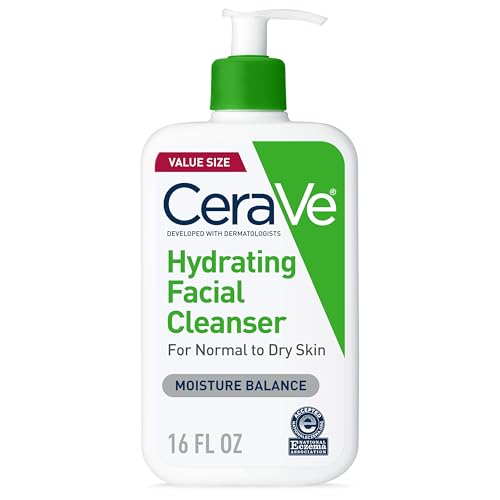
Splitting AM and PM doesn’t mean doubling your shelf. A few products carry across both routines, and the trick is buying deliberately for each job. Many people can use one gentle cleanser morning and night — a non-stripping formula like CeraVe’s Hydrating Cleanser suits drier skin, while oilier skin that needs to fully clear SPF and sebum at day’s end may prefer a foaming version such as CeraVe’s. The genuinely time-specific buys are few: an antioxidant vitamin C for daytime, in the well-tolerated La Roche-Posay mold; a daily SPF you’ll actually wear, the role EltaMD’s UV Clear plays; a retinoid for night, like CeraVe’s beginner-friendly serum; and a slightly richer PM moisturizer to seal it in, as CeraVe’s PM lotion does. Everything else can usually pull double duty.
Where to spend, where to save across AM and PM
Cleanser and the basic moisturizer are save territory — drugstore formulas do these jobs as well as anything. The two steps worth spending on are the daytime SPF, because a non-irritating one is the single product you most need to use every day, and, if budget allows, a well-formulated vitamin C in packaging that protects it. A night retinoid sits in the middle: a gentle OTC serum is plenty to start, and there’s no need to pay for prescription strength until your skin has earned it.
Telling a genuine formula from timing hype
Day cream and night cream labels are often the same base in different jars, so read the ingredient list rather than the marketing. What actually decides timing is the active: antioxidants and SPF belong in the morning, and photosensitizing retinoids and acids belong at night. A product that leaves its actives vague while leaning hard on AM or PM branding usually isn’t giving you a reason to own both. When a line sells a matched AM/PM pair, check that the two jars genuinely differ in their actives, not just their packaging and price, before paying for both — often one versatile moisturizer covers both slots.