






Ingredients That Refine Pores
Not every "pore" product on a shelf has evidence behind it. These four ingredient categories do, along with a few supporting players worth knowing about.
Salicylic Acid (BHA): Oil Production & Sebum Control
Salicylic acid is oil-soluble, which sets it apart from other exfoliating acids. It can travel into the lipid-rich lining of the follicle itself rather than just working on the skin's surface. Once inside, it breaks down the bonds holding dead skin cells and sebum together. That clears the plug that stretches a pore's opening and helps regulate oil production over time. Over-the-counter concentrations run from about 0.5% in cleansers up to 2% in leave-on treatments like Paula's Choice 2% BHA Liquid; anything higher is typically a professional peel. Start with a rinse-off product two to three times a week if you're new to BHA. Work up to a leave-on treatment as your skin builds tolerance. It pairs well with niacinamide but generally shouldn't be layered with a retinoid at first. Both increase sensitivity, and combining them too soon usually causes irritation rather than faster results.
Niacinamide
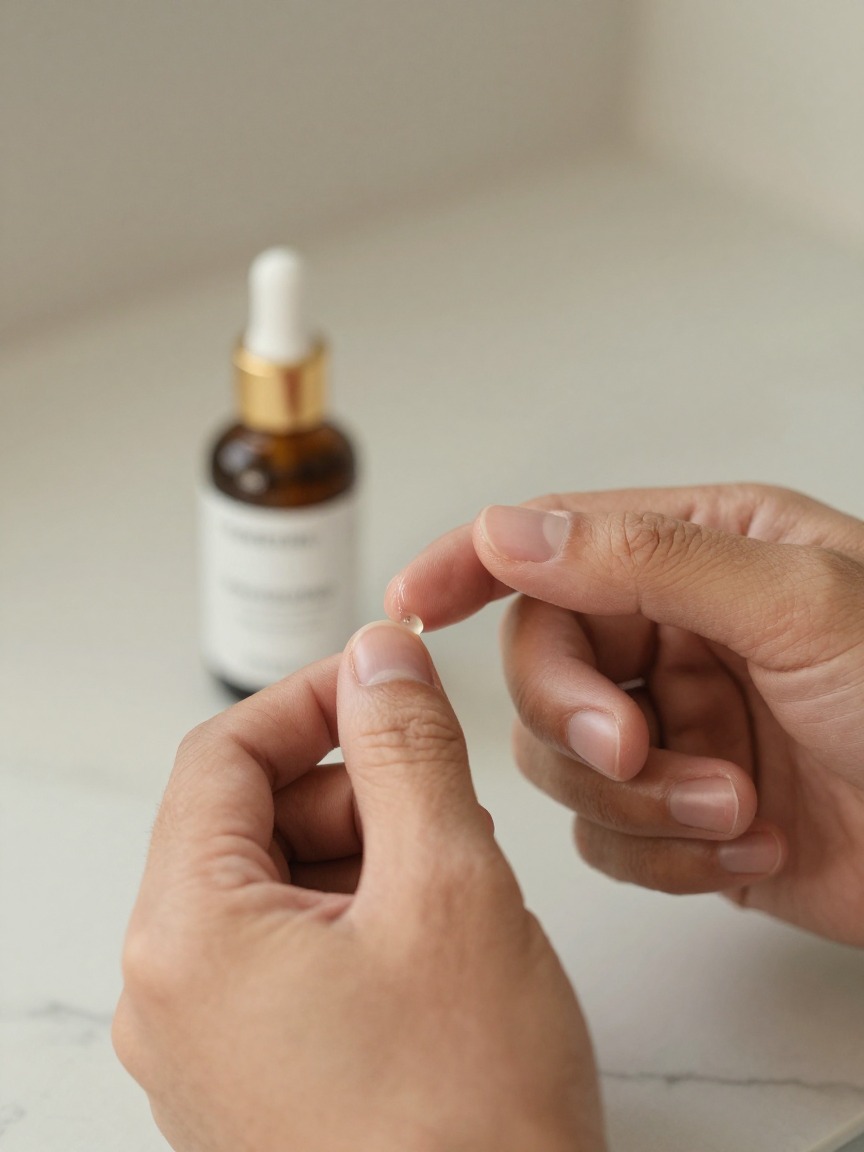
Niacinamide (vitamin B3) works differently from an exfoliant. It doesn't remove anything — it regulates how much oil your sebaceous glands produce in the first place. Clinical studies generally use concentrations around 2% to 5%. Most commercial serums, like The Ordinary Niacinamide 10% + Zinc 1%, sit between 4% and 10%, and going higher doesn't reliably improve results — it just increases the chance of irritation. Results build gradually, usually over 8 to 12 weeks of twice-daily use. It's also gentle enough to combine with almost anything else in a routine, which makes it a good starting ingredient for sensitive skin that can't tolerate acids yet.
Retinoids: Retinol vs. Adapalene vs. Tretinoin
Retinoids are vitamin A derivatives that speed up cell turnover. With consistent use, they help support the collagen structure around the follicle. There's a real hierarchy of strength here: over-the-counter retinol is the mildest and slowest. Adapalene, sold over the counter in the US as Differin, is a step up and specifically studied for pore and texture improvement. Prescription tretinoin is the strongest and generally requires a dermatologist. All of them cause an adjustment period — dryness, flaking, sometimes purging. All of them increase sun sensitivity too, so daily SPF stops being optional once a retinoid is in the routine. Meaningful pore improvement from a retinoid typically takes 3 to 6 months, not weeks.
Clay Masks: Kaolin and Bentonite
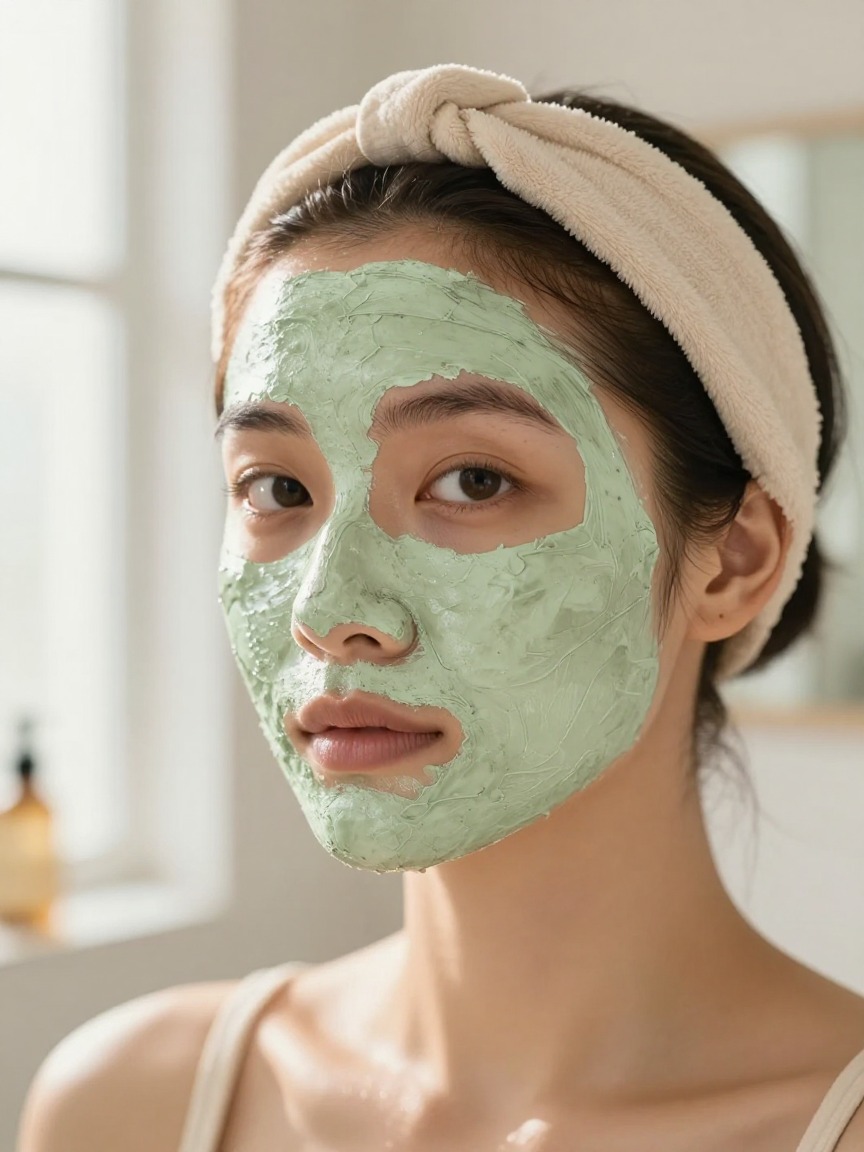
Clay masks work by physically absorbing oil and drawing debris out of the pore while they dry on the skin. It's a mechanical effect, not a chemical one, which is why the result is immediate but temporary. Bentonite clay, like Aztec Secret Indian Healing Clay, is more absorbent and better suited to very oily skin. Kaolin is gentler and works for combination or normal skin. Used more than once or twice a week, clay can over-dry skin and trigger a rebound in oil production, which works against the goal. Think of a clay mask as a weekly supplement to a BHA or niacinamide routine, not a replacement for one.
Zinc PCA for Oil Control
Zinc PCA is often paired with niacinamide. It helps with oil control and has mild soothing properties, making it a common addition to sebum-regulating serums.
Glycolic Acid, Lactic Acid & AHAs
Glycolic acid and lactic acid are both types of AHA, or alpha hydroxy acid. They work on the skin's surface rather than inside the pore. They improve texture and light reflection more than they clear congestion. They're useful alongside BHA for skin that doesn't need as much oil-focused treatment.
Witch Hazel: Does It Actually Minimize Pores?
Witch hazel is a common "pore-tightening" toner ingredient. But the alcohol content in many formulations is drying enough to trigger more oil production. There's little evidence it meaningfully changes pore appearance beyond a temporary astringent effect.
How to Layer Them Without Irritation
Introduce one active ingredient at a time, two to three weeks apart, so you can tell what's working and what's causing irritation. A realistic build-out looks like this: niacinamide first, since it's lowest risk. Then a BHA cleanser, then a leave-on BHA a few nights a week. Only later — once skin tolerates that — add a retinoid on alternate nights. Patch test anything new on the inside of your arm for 48 hours before applying it to your face, especially if you have a history of reactive or sensitive skin.