Salicylic Acid, Retinol & Oil Production: What Actually Shrinks Pore Appearance
A pore's size is set mostly by genetics. Sun damage and the natural loss of collagen around the follicle also play a role as skin ages. No cream reaches in and physically resizes a pore. What skincare actually changes is everything that makes a normal pore look bigger: oil production and dead skin cells stretching the opening from inside, surface texture that catches shadow, and shine sitting in the pore itself. Get those three things under control and pore appearance improves noticeably, even though the pore hasn't structurally shrunk.
BHA, Niacinamide, Retinoids & Clay Masks: The Ingredient Categories Worth Your Money
Four categories have real evidence behind them, and each does a different job.
- Salicylic acid (BHA) is oil-soluble, so it works its way into the pore lining. It breaks up the trapped sebum and dead skin cells that stretch the opening. It's the single most pore-specific ingredient in skincare.
- Niacinamide regulates oil production over 8 to 12 weeks of daily use. That means less visible shine sitting in the pore.
- Retinoids — adapalene, retinol, or prescription tretinoin — speed up cell turnover. They also support collagen around the follicle, gradually tightening how the opening looks with months of consistent use.
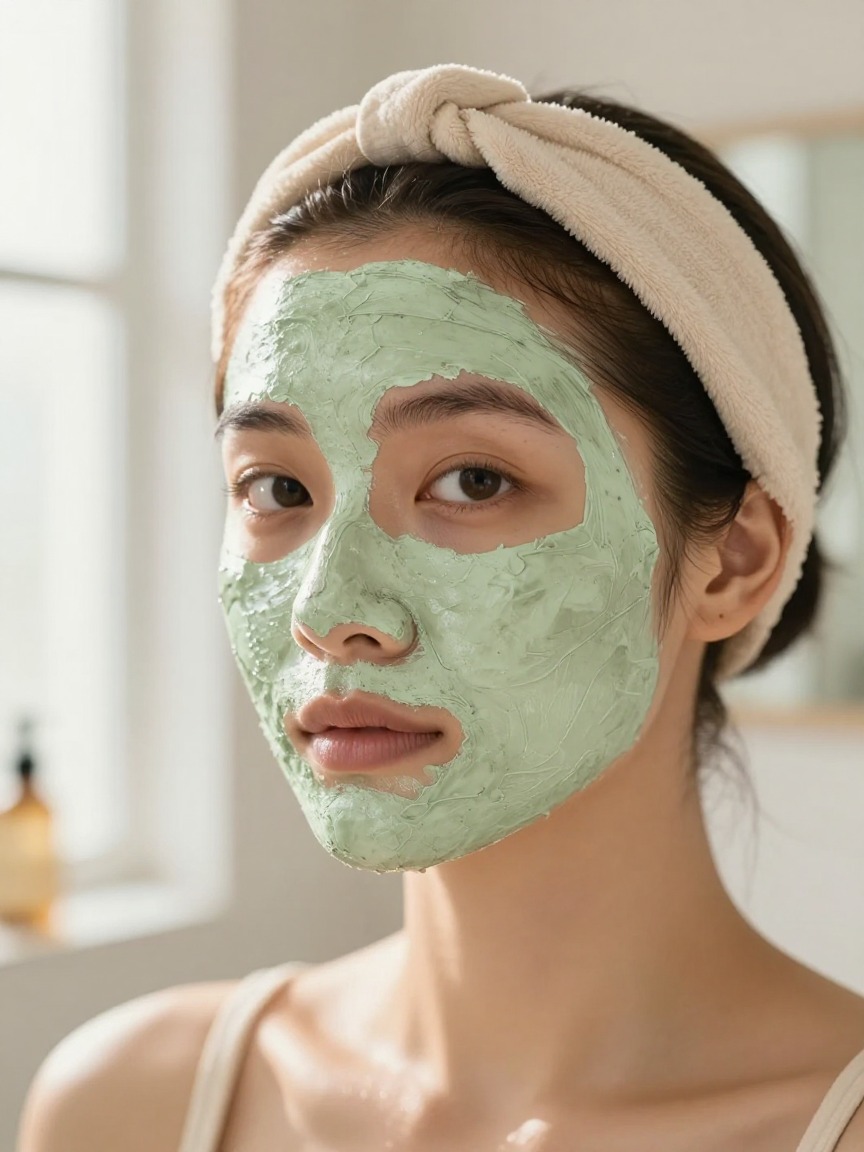
- Clay masks pull oil and debris out in a single sitting. They're a good weekly reset, not a long-term fix on their own.
Best Picks for Oily Skin, Sensitive Skin & Blackheads
Oily and combination skin usually sees the fastest change. Try a leave-on BHA plus a weekly clay mask. Dry or sensitive skin does better starting with niacinamide alone. BHA and retinoids can be drying until skin builds tolerance. If you already use a retinoid for anti-aging, you likely don't need a separate pore product. Most retinoids improve texture, blackheads, and pore appearance at the same time.
Sun Damage, Dead Skin Cells & Collagen Loss: Mistakes That Make Pores Look Worse
- Layering BHA, a retinoid, and a clay mask in the same week without building tolerance first. This usually causes irritation that makes pores look redder, not smaller.
- Skipping a non-comedogenic moisturizer after exfoliating. Dehydrated skin overproduces oil to compensate, which undoes the work.
- Using physical pore strips or aggressive scrubbing. They remove the surface plug temporarily but can stretch and irritate the pore lining with repeated use.
- Skipping daily SPF. Sun damage breaks down the collagen that keeps pores looking tight, so sunscreen does as much pore work as any serum on this list.
Matching a pore pick to your skin type and budget
Buy for how your skin behaves, not for the promise on the label. Oily, congested, or blackhead-prone skin usually sees the fastest change from a leave-on BHA in the Paula’s Choice mold, optionally paired with an occasional clay mask like Aztec Secret’s for a weekly reset rather than daily use. Tight budgets that mainly want oil control are well served by a niacinamide-and-zinc serum such as The Ordinary’s. Anyone ready to commit long-term to texture and pore appearance can step up to an adapalene retinoid like Differin’s, while people new to acids or with more sensitive skin get a gentler entry through a salicylic acid cleanser in the CeraVe SA mold. Combination or acne-prone skin willing to invest in a dermatologist-brand treatment has options like SkinCeuticals’ blemish-and-age formula. If you already run a retinoid for anti-aging, you likely don’t need a separate pore product at all.
Telling real pore care from marketing
Pore-minimizing, pore-refining, and pore-perfecting aren’t regulated terms, and no topical physically shrinks a pore, so ignore the front and read the back. You want a recognizable active — salicylic acid, niacinamide, or a retinoid — at a usable concentration, not buried at the bottom of a long list. Instant pore-blurring primers and strips smooth the look for a few hours but do nothing lasting; treat them as makeup, not treatment. Silicone-heavy blurring claims are cosmetic, not corrective.
When to spend and when to save
This is a category where saving usually wins. The budget niacinamide, the drugstore adapalene, and a simple clay mask deliver most of the results for very little, and a leave-on BHA doesn’t need to be expensive to work. Spending more is only defensible for a specific texture or delivery you prefer, or a dermatologist-brand combination treatment — and for the daily SPF that protects the collagen keeping pores looking tight, which does as much pore work as any serum here. It also helps to buy just one active to begin with and give it eight to twelve weeks before adding another, rather than paying for a full shelf of products at once.