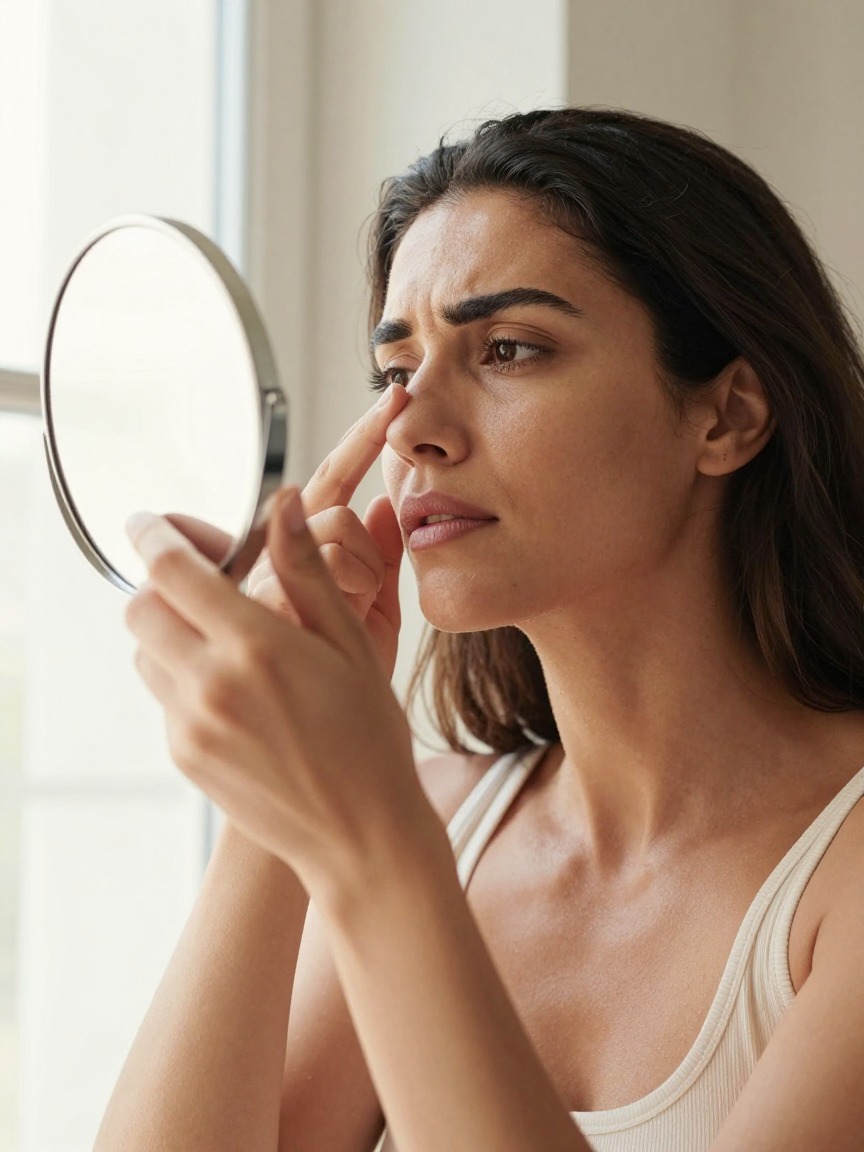
What Determines Large Pores and Pore Size
Large pores are one of the most common skin concerns. But every face has some visible pores. Pores are just the openings of hair follicles and their attached oil glands. They don't open and close like tiny doors, despite what a lot of skincare marketing implies. What changes is how visible they are. Understanding why pores look larger comes down to a handful of specific factors. Pore size is the result of those factors, not a flaw you can scrub away.
Genetics Sets the Baseline
Pore size is inherited, the same way bone structure or hair texture is. Some people are simply born with a higher density of larger follicles, particularly in the T-zone. No amount of skincare changes that baseline. If close relatives have visibly larger pores, it's reasonable to expect a similar pattern. That means expectations matter. The goal is a real improvement in appearance, not a different face shape.
Oil Production, Sebum & the Follicle: How the Opening Stretches
Sebaceous glands attached to each follicle produce oil, called sebum, to keep skin lubricated. Sometimes a gland produces more oil than the pore can easily release. That's common during puberty, high-androgen phases, humid weather, or with naturally oily skin types. The excess sebum mixes with dead skin cells and sits inside the follicle. It physically stretches the opening from within. This is the single biggest controllable factor in how large a pore looks day to day. That's why oil-regulating ingredients do so much of the visible work. An oil-controlling serum like The Ordinary's Niacinamide 10% + Zinc 1% targets this directly.
Dead Skin Cells, Keratin Plugs & Why Exfoliation Matters
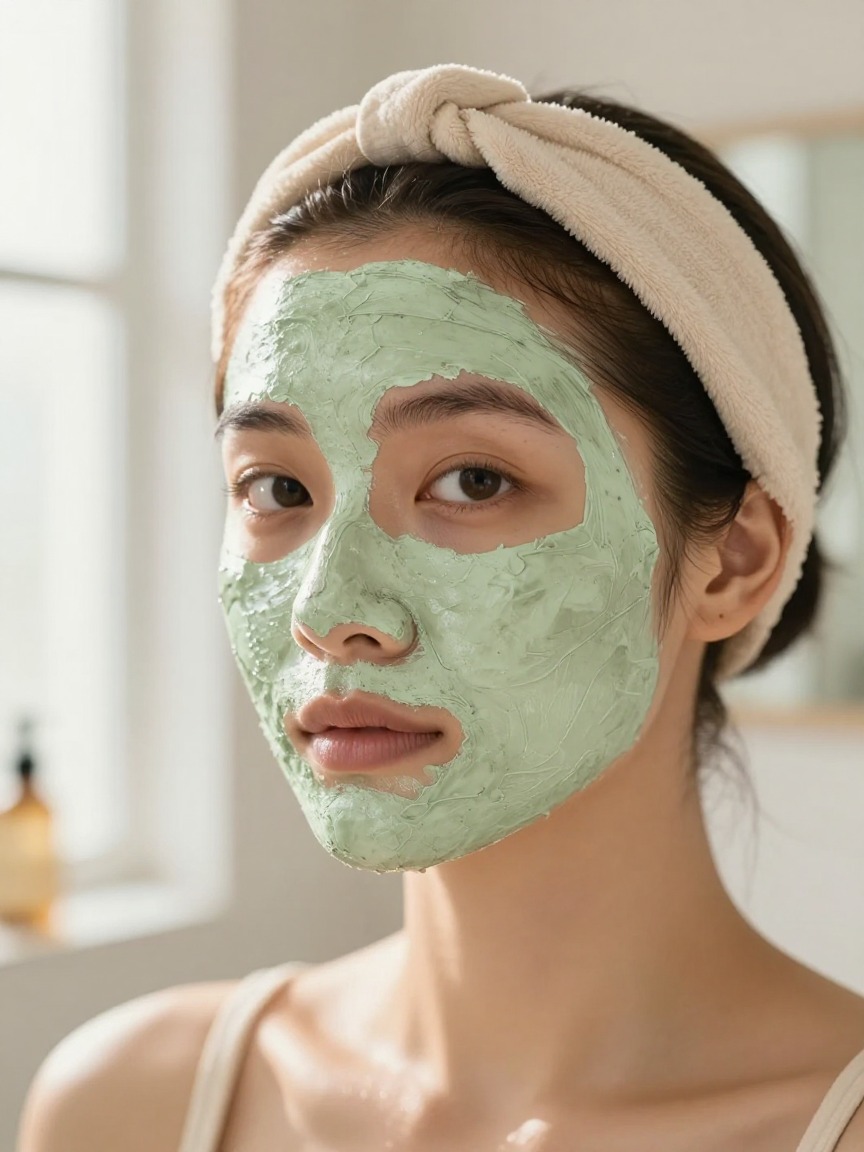
Skin naturally sheds dead skin cells. But sometimes that process slows down, or cells clump together inside the follicle. Then they combine with oil to form a keratin plug. That's the same material that becomes a blackhead when it oxidizes at the surface. A pore packed with this buildup looks wider and darker than an empty one. The follicle's actual diameter hasn't changed. Regular gentle exfoliation keeps this from accumulating in the first place. A leave-on exfoliant like Paula's Choice 2% BHA Liquid is a common way to do that. An occasional clay mask, such as Aztec Secret Indian Healing Clay, can help draw out surface buildup too.
Sun Damage, UV Exposure & Collagen Loss
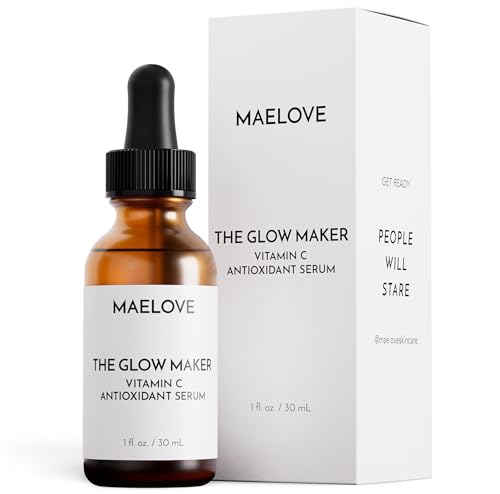
Collagen and elastin form a support structure around each follicle that keeps the opening taut. UV exposure breaks this structure down over years. Once it weakens, skin around the pore loses its ability to spring back. The pore looks stretched and oval rather than tight and round. This sun damage is a major reason pores look progressively larger with age. Even people with tight pores in their twenties see it happen. It's also why daily sunscreen is one of the more effective long-term pore treatments available. An antioxidant serum like SkinCeuticals C E Ferulic is sometimes paired with sunscreen to support that collagen defense. It doesn't feel like a dedicated "pore product," but it earns its place.
Hormones and Sebaceous Glands
Oil production is directly tied to androgen hormones. That's why pores often look more prominent around a menstrual cycle, during puberty, or with conditions that affect hormone levels. This kind of change is usually temporary. It fluctuates rather than being a permanent structural shift. Persistent hormonal breakouts are worth discussing with a doctor rather than managing with skincare alone.
Enlarged Pores vs. Acne Scarring and Blackheads
These get lumped together, but they're not the same thing. An enlarged pore is a round, evenly spaced opening that's simply wider than average. Blackheads form when a keratin plug oxidizes at the surface of that opening. Acne scarring is different again. It includes the pitted, uneven texture sometimes called "orange peel" skin. It's caused by damage to the skin's structure during a healed breakout. It looks more irregular, with edges and depth that pores alone don't have. The ingredients in this routine genuinely help with pore appearance and blackheads. Those are BHA, niacinamide, and retinoids such as Differin adapalene gel. But they have limited effect on true pitted scarring. That usually needs an in-office procedure like microneedling or laser resurfacing to meaningfully improve. If your skin's texture looks more like scarring than pores, that's a better conversation for a dermatologist than a reason to keep adding more products.
The "Pores Open and Close" Myth
Steam and heat make pores look temporarily larger. They soften the keratin plug sitting in the opening. The pore doesn't physically open. Cold water afterward doesn't "close" it either. It just tightens the surrounding skin slightly, a cosmetic, short-lived effect. Neither step changes pore size in any lasting way. The ritual isn't harmful, though, and can make extractions easier if that's the goal.
What This Means for Treatment
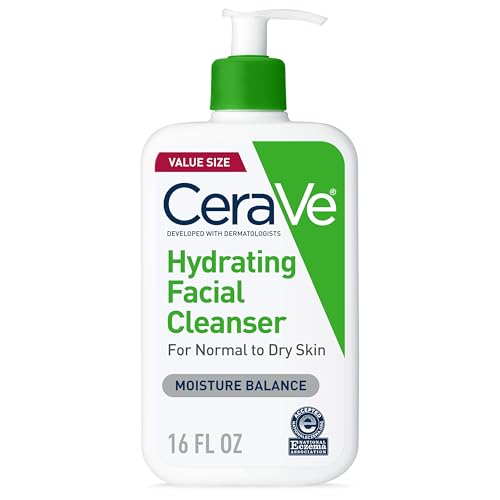
Because pore size itself is fixed, effective treatment targets the things that are changeable. That means oil volume, surface texture, and the collagen support structure. That's exactly what BHA, niacinamide, retinoids, and consistent SPF do. Products like Paula's Choice 2% BHA Liquid Exfoliant or The Ordinary Niacinamide 10% + Zinc 1% target exactly these factors. A gentle base like CeraVe's cleanser keeps the routine from over-stripping while you use them. A routine built around those categories, kept up for months rather than days, works best. It produces the most noticeable difference in large pores and overall pore size.