

Skip to content
Skincare Routine Order & Steps · Deep dive

How Long to Wait Between Steps

Why Wait Time Matters for Layering & Absorption

Some products need a few minutes to be absorbed, or to finish reacting with skin, before the next layer goes on. Others can be layered back to back with no issue. Getting this wrong doesn't usually cause harm. But it can mean an active ingredient gets diluted, pilled off, or partially neutralized before it's finished doing its job.

Vitamin C, Exfoliating Acids & Retinoids: Products That Need a Real Wait

  • Vitamin C (L-ascorbic acid): needs a low pH to stay stable and absorb. Give it a few minutes before applying anything with a higher pH on top, including most moisturizers.
  • Exfoliating acids (AHAs/BHAs): a five- to ten-minute wait lets the acid finish lowering the skin's surface pH before a moisturizer buffers it. Apply moisturizer too soon and you blunt the exfoliation.
  • Retinoids: many people wait twenty to thirty minutes after cleansing before applying a retinoid, on fully dry skin. Damp skin increases penetration, and with it, irritation risk for sensitive users. Some dermatologists instead recommend a moisturizer-retinoid-moisturizer sandwich for sensitive skin, the opposite strategy for the same underlying reason.

Niacinamide, Hyaluronic Acid, Peptides, Moisturizer & SPF: No Wait Needed

Hyaluronic acid, niacinamide, peptides, and most hydrating serums can be layered within a minute or two of each other, with no real downside. COSRX's Advanced Snail Mucin Essence is a common example of this type. These ingredients aren't pH-dependent in the same way, and they don't chemically interact with a following layer. A ceramide moisturizer like CeraVe's, and SPF, likewise don't need a waiting period. Applying an SPF such as EltaMD UV Clear as soon as moisturizer has finished absorbing is fine.

Timing pH-Dependent Actives Without a Stopwatch

Rather than watching a clock, most people use the finish of the previous product as the cue. Once a serum has fully absorbed and skin no longer feels tacky or wet to the touch, it's ready for the next layer. For pH-dependent actives like vitamin C or acids, a firmer wait of five to ten minutes is worth actually timing. Time it until the routine becomes habit.

Pilling & Other Signs You Rushed a Step

Rushing layers doesn't usually cause harm on its own. But it commonly shows up as pilling — little rolled-up bits of product that rub off rather than absorbing. That's mostly a texture problem, and a sign the products underneath didn't fully sink in. With pH-sensitive actives specifically, applying the next step too soon can measurably reduce how well the active ingredient performs. The skin's surface pH hasn't finished settling yet.

Overnight Products and Pillow Transfer

At night, the concern shifts slightly. The goal isn't just absorption. It's making sure a heavier night cream or oil has enough time to settle before your face meets a pillow. Ten to fifteen minutes after the last step is usually enough to avoid transferring half the product onto the pillowcase. That timing also happens to be a decent proxy for whether the layer has actually absorbed.

A Simple Rule for Multi-Step, Sensitive Skin Routines

A routine that takes twenty minutes just for the waiting usually has too many active steps stacked together. That's not a sign you need more patience. This especially applies to sensitive skin, where fewer actives in rotation already matters for irritation control. Simplifying down to one or two treatment products, rather than four, generally solves the waiting-time problem on its own. Fewer pH-dependent layers means fewer gaps to manage.

Waiting Between Different Nights, Not Just Different Steps

Wait time isn't only about minutes within one routine — it also applies across days. Introducing a new retinoid or acid every other night for the first few weeks, rather than daily, gives skin time to signal tolerance. Only then should the frequency increase. This is a different kind of waiting than the minutes-between-steps question. But it solves a similar problem: it isolates one variable at a time. A reaction is easy to trace back to its cause, instead of getting lost in a routine that changed on multiple fronts at once.
You may be interested in

Popular picks from related categories, chosen with the same rubric.

Editor's Pick #1
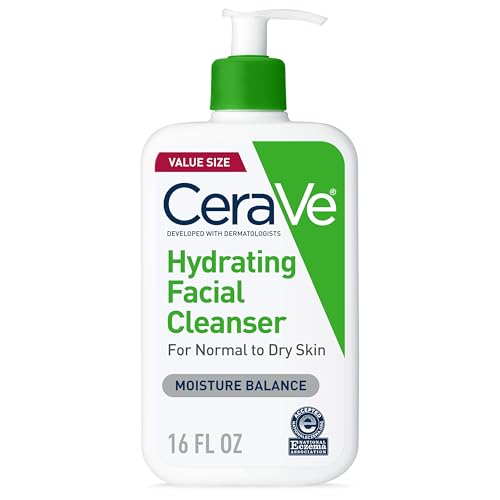
Hydrating Facial Cleanser
Dry-to-normal sensitive skin, especially anyone also using retinoids or other actives

Hydrating Facial Cleanser

CeraVe

It's formulated with three ceramides, hyaluronic acid, and a National Eczema Association seal. Dermatologists mention it most often for reactive skin. It's a genuinely non-foaming, low-irritation formula that doesn't strip the barrier.

Ceramide and hyaluronic acid formula supports the skin barrier while cleansing
Fragrance-free, non-foaming, and won't disrupt a compromised moisture barrier
Budget-friendly per ounce and widely available at drugstores
Doesn't fully dissolve heavy sunscreen or long-wear makeup on its own, so double-cleansing days may need a micellar water or oil-based first step
Best Value #2
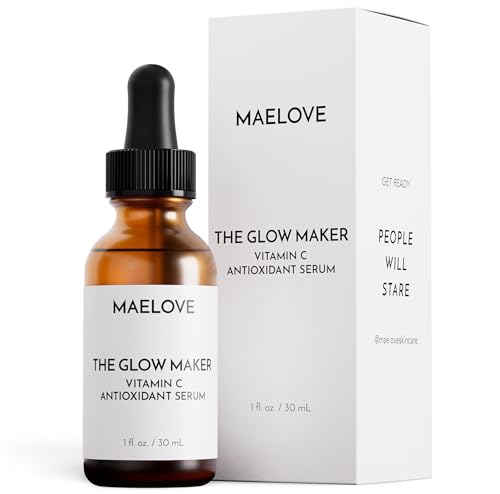
Glow Maker
Readers who want a well-formulated L-ascorbic acid serum without the prestige price tag

Glow Maker

Maelove

It leans on similar formulation logic to pricier serums: L-ascorbic acid plus vitamin E and ferulic acid. It costs a fraction of the price. That's why it's often called an affordable alternative to the prestige options.

Combines L-ascorbic acid with vitamin E and ferulic acid, echoing higher-end formulas
Opaque pump bottle helps limit light and air exposure
Noticeably cheaper per ounce than most L-ascorbic acid serums of similar formulation
The pump can dispense unevenly or feel like it needs priming, a minor but frequently mentioned annoyance
Editor's Pick #1
Moisturizing Cream
Normal to dry skin that wants a dermatologist-developed, fragrance-free daily moisturizer

CeraVe Moisturizing Cream

CeraVe

It pairs three essential ceramides with hyaluronic acid in a rich, fragrance-free base. Long-term users with dry, compromised skin consistently praise it. It's also inexpensive enough to use liberally.

Ceramide + hyaluronic acid formula supports the skin barrier
Fragrance-free and well-tolerated by sensitive skin
Large jar size makes it very cost-effective per ounce
The tub packaging means dipping fingers into the product, which isn't ideal for hygiene or portability
Editor's Pick #1
UV Clear Broad-Spectrum SPF 46
acne-prone, sensitive, or post-procedure skin that needs a dermatologist-trusted daily option

UV Clear Broad-Spectrum SPF 46

EltaMD

Dermatologists reach for EltaMD more than almost any other sunscreen. It pairs broad-spectrum zinc oxide protection with niacinamide and hyaluronic acid. The oil-free base is genuinely weightless and layers well under makeup.

Broad-spectrum SPF 46 with zinc oxide
Oil-free, non-comedogenic formula favored for acne-prone skin
Contains niacinamide and hyaluronic acid for added hydration
Pricier per ounce than most drugstore sunscreens, and the pump makes it easy to under-apply if you're not deliberate about the amount.
Editor's Pick #1
Super Volcanic Pore Clay Mask 2X
oily, pore-prone skin that wants a formula built specifically around pore congestion

Super Volcanic Pore Clay Mask 2X

innisfree

Two types of volcanic clay target sebum and blackheads. The texture isn't chalky or hard to remove like older clay formulas. It's also genuinely affordable for how often you'll reach for it.

Lightweight, non-cakey texture that spreads and rinses easily
Visibly reduces the look of congested pores after a single use
Priced low enough to use regularly without guilt
The mineral scent is noticeable and won't appeal to everyone
Editor's Pick #1
Skin Perfecting 2% BHA Liquid Exfoliant
Anyone dealing with clogged pores, blackheads, or rough, bumpy texture who wants an evidence-backed exfoliating toner

2% BHA Liquid Exfoliant

Paula's Choice

It's built around a well-studied 2% salicylic acid concentration at an effective pH. The base is fragrance-free and alcohol-free. That combination is why it's stayed a favorite among ingredient-focused shoppers for years, rather than fading as a trend.

2% salicylic acid at a pH that actually works
Fragrance-free and alcohol-free formula
Noticeably improves texture and blackheads with consistent use
The active concentration can cause redness or flaking in the first couple of weeks, so it's not the easiest starting point for very reactive or rosacea-prone skin

Affiliate disclosure: We may earn a commission from qualifying purchases made through links on this page, at no extra cost to you. Some links on this page are affiliate links.