Ceramides, Hyaluronic Acid & Barrier-Safe Cleansing
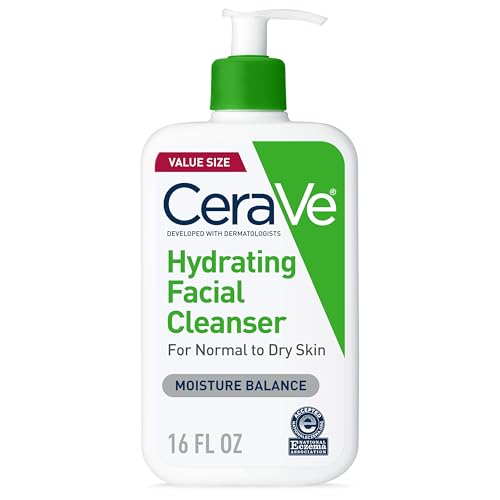
A full routine breaks into six roles: cleanser, toner or essence, treatment serum, eye cream, moisturizer, and SPF. You don't need a product in every category to have a good routine. Plenty of people do fine with just a cleanser, one serum, moisturizer, and SPF. For cleansers specifically, look for ceramides or glycerin over sulfates. A cleanser that leaves skin feeling tight has stripped the barrier, not cleaned it properly. Hyaluronic acid in a cleanser adds a light hydration boost without undoing that barrier-safe formula.
Vitamin C, Retinoids & Exfoliating Acids in Treatment Serums
Toners and essences are mostly a hydration and prep step now, not the astringent products of decades past. Humectants like hyaluronic acid and glycerin do the real work there. Treatment serums are where the true active ingredients live — niacinamide, vitamin C, retinoids, or exfoliating acids. This is the step worth researching most carefully, since actives are also where irritation tends to happen. Vitamin C needs a stable, low-pH formula to actually work. Retinoids and exfoliating acids should never be layered in the same routine on the same night.
Picking Products for Oily, Dry, Sensitive & Combination Skin
- Oily skin: gel cleansers, niacinamide serums, oil-free gel moisturizers, and a non-comedogenic SPF.
- Dry skin: cream cleansers, hydrating essences, richer ceramide-based moisturizers, and a hydrating SPF that won't sit awkwardly on dry patches.
- Sensitive skin: fragrance-free everything, fewer active ingredients in rotation at once, and a mineral or hybrid SPF if chemical filters cause stinging.
- Combination skin: lighter textures overall, with a richer moisturizer layered only where skin actually runs dry.
Moisturizers should match ceramide or fatty-acid content to how dry your skin actually runs.
Non-Comedogenic & Fragrance-Free Picks for Reactive Skin
Acne-prone skin should look for a non-comedogenic, oil-free formula so a new product doesn't trigger breakouts. Sensitive or reactive skin does best with fragrance-free formulas and a mineral or hybrid sunscreen if chemical filters cause stinging. Fewer active ingredients in rotation at once also means fewer chances for a reaction.
Build a Minimal Set Before Buying Every Step
Knowing the ideal order can tempt you into buying a product for all six slots at once. Don't. A cleanser, one treatment serum, a moisturizer, and an SPF is a complete routine for most people; toner and eye cream are optional extras you can add later if a real need appears. Buying the four essentials individually — a CeraVe cleanser, a targeted serum, a moisturizer matched to your skin, and an EltaMD-style SPF — costs less than a branded multi-step set and lets you swap any single product that doesn't agree with you without replacing the whole shelf.
Where to Spend Across the Steps, and What to Ignore
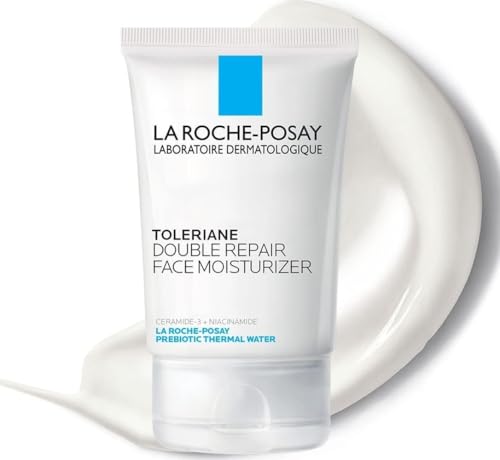
Spread a budget by where quality actually varies. Cleanser is rinsed off in seconds, so it's the easiest place to save — a gentle drugstore formula is plenty. The treatment serum is where researching, and if needed spending a little more, pays off, because actives are both where results come from and where irritation starts; a stable, well-formulated vitamin C or niacinamide serum is worth more than a bargain one that oxidizes early. Moisturizer quality tracks how well the texture suits your skin more than its price, so a La Roche-Posay-style or CeraVe option covers most people affordably. Sunscreen is worth paying for feel, since a pleasant SPF is one you'll reapply.
Ignore front-label claims like "anti-aging," "brightening," or "10-in-1" that bundle several actives you can't dose individually. A single well-chosen serum in the right step beats a crowded formula every time, and it keeps the order simple enough to actually follow. There's also no need to buy a dedicated toner or eye cream just to fill a slot — add either only if a specific need shows up, and a mini or travel size is the low-risk way to test any new product before committing to a full bottle.
Broad-Spectrum Sunscreen & the Mistakes That Undo a Good Routine
SPF should be broad-spectrum and rated SPF 30 or higher, full stop — texture preference is secondary to that. The most common mistake is stacking too many actives at once. A vitamin C serum, a retinoid, and an exfoliating acid, all applied together, is a recipe for a compromised barrier, not faster results. The second mistake is skipping sunscreen because a moisturizer or foundation claims SPF coverage; most people don't apply enough of those products to hit the labeled protection. The third is buying a nine-step routine before mastering a four-step one. More products only help if each one is genuinely earning its place.