

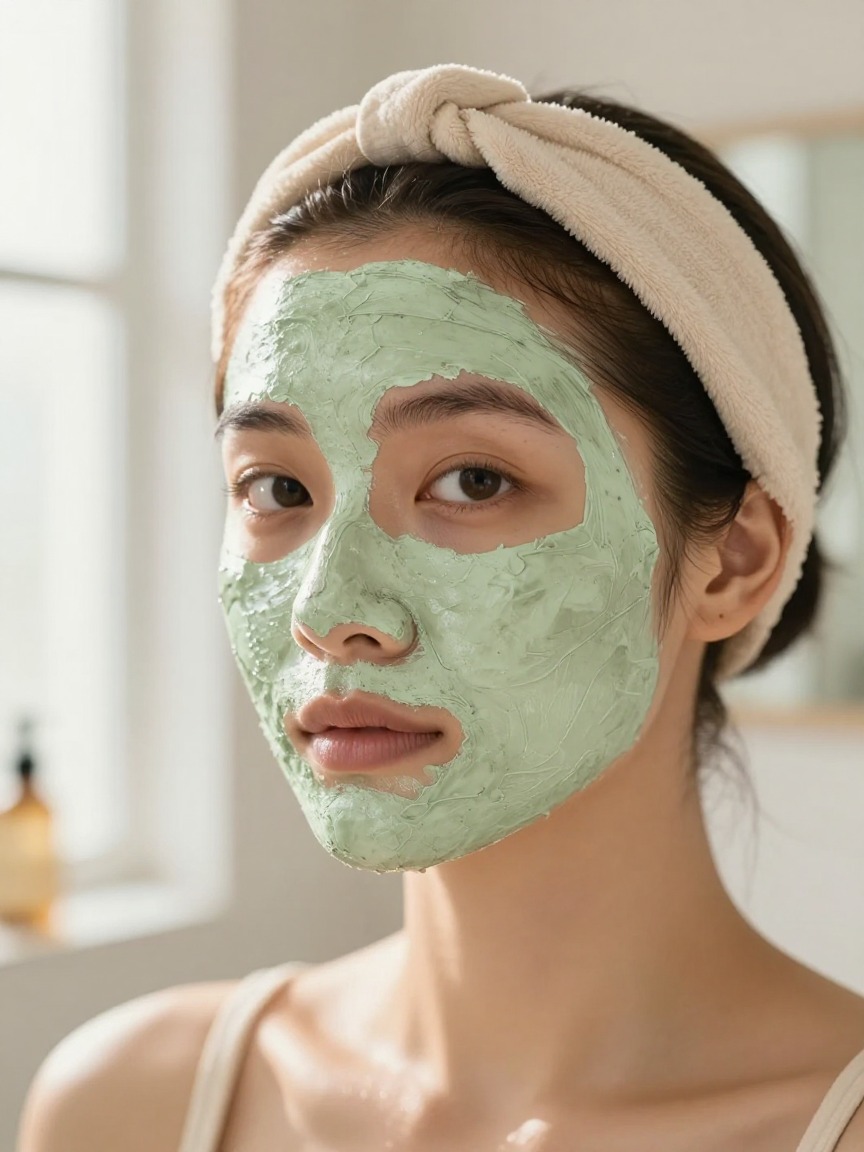

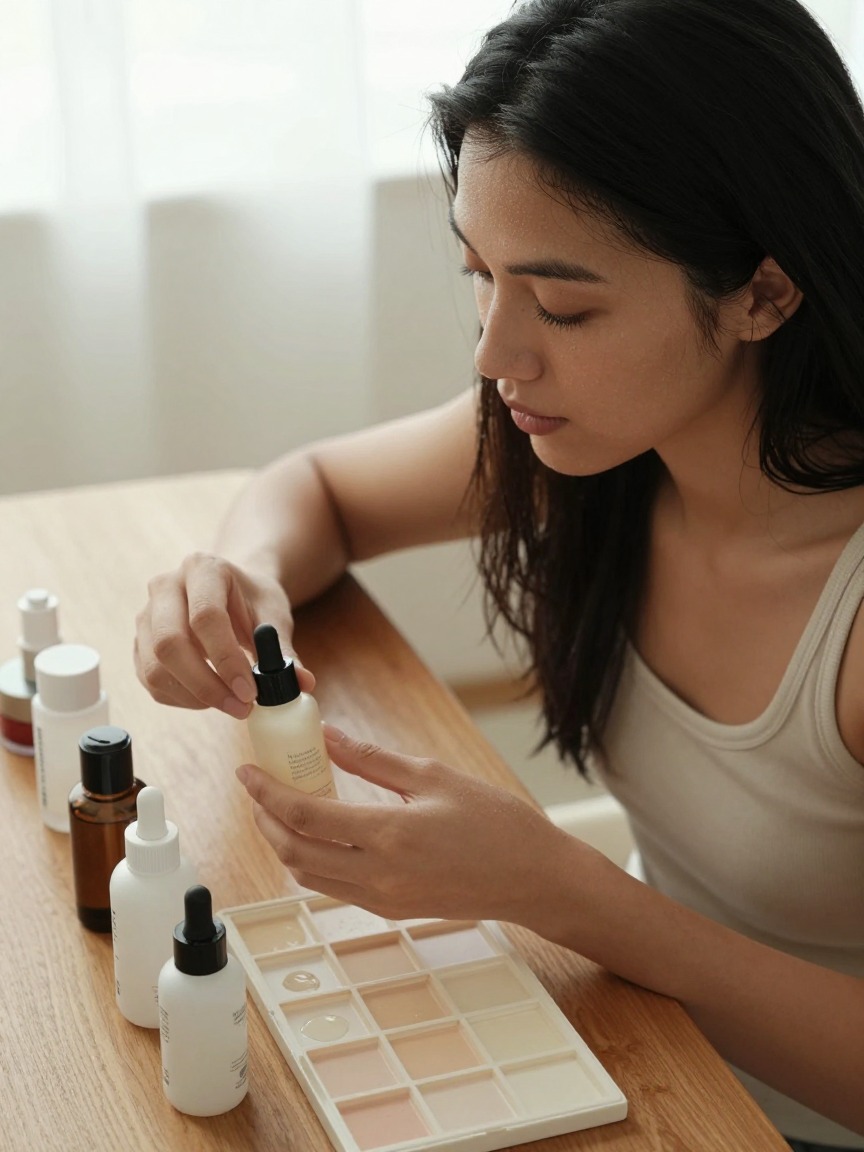
Step 1: Cleanser & Double Cleansing
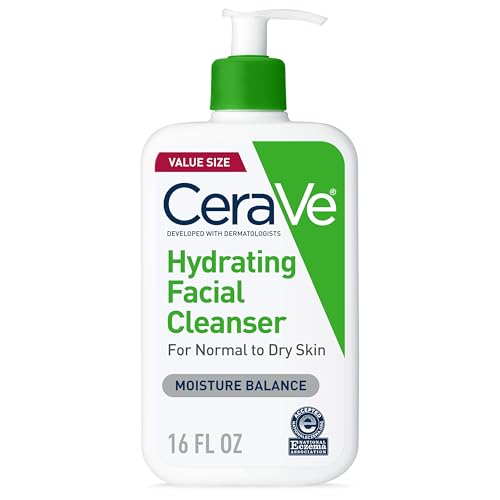
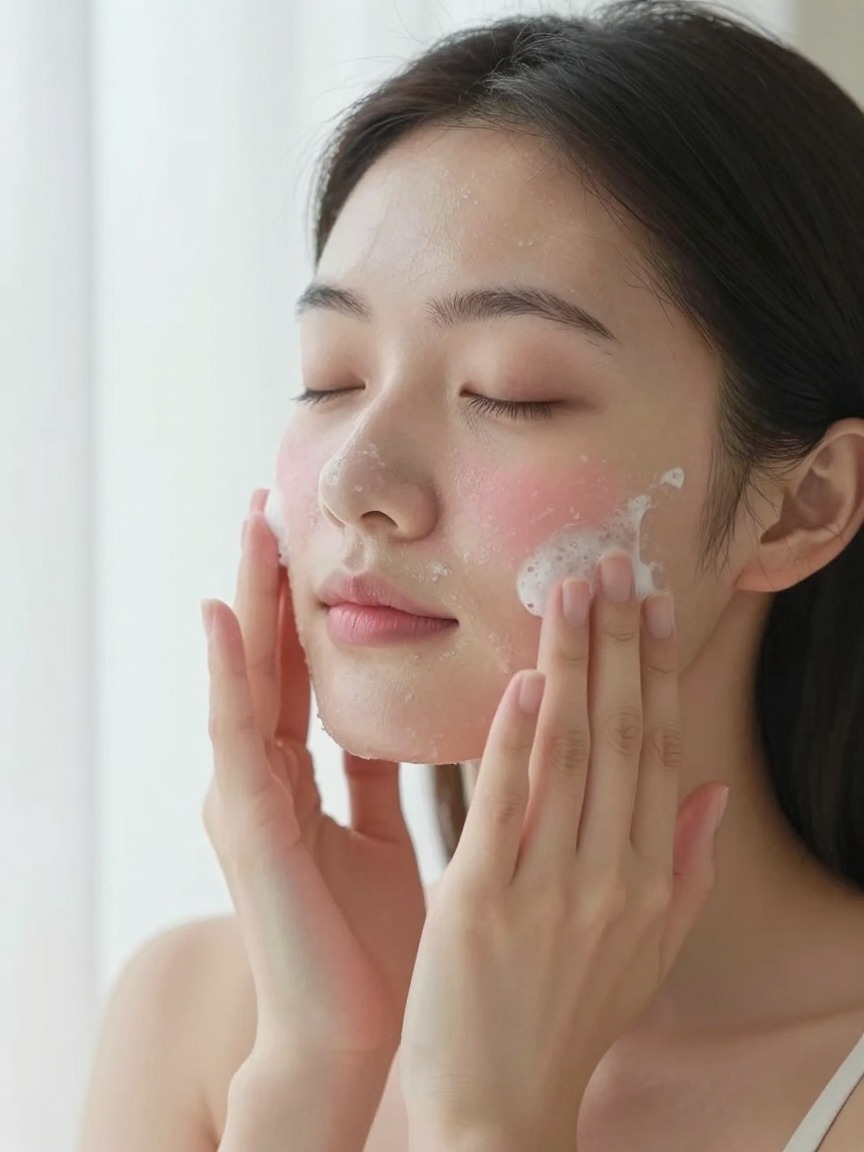
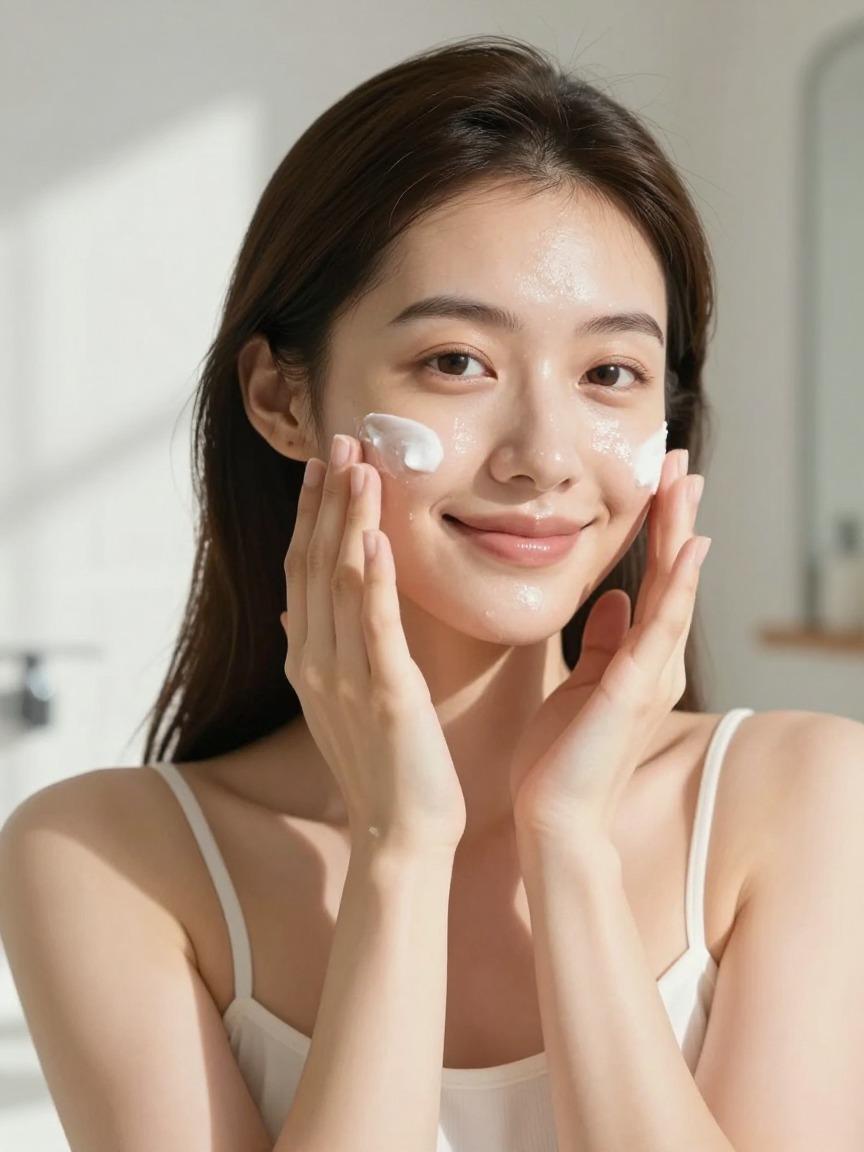
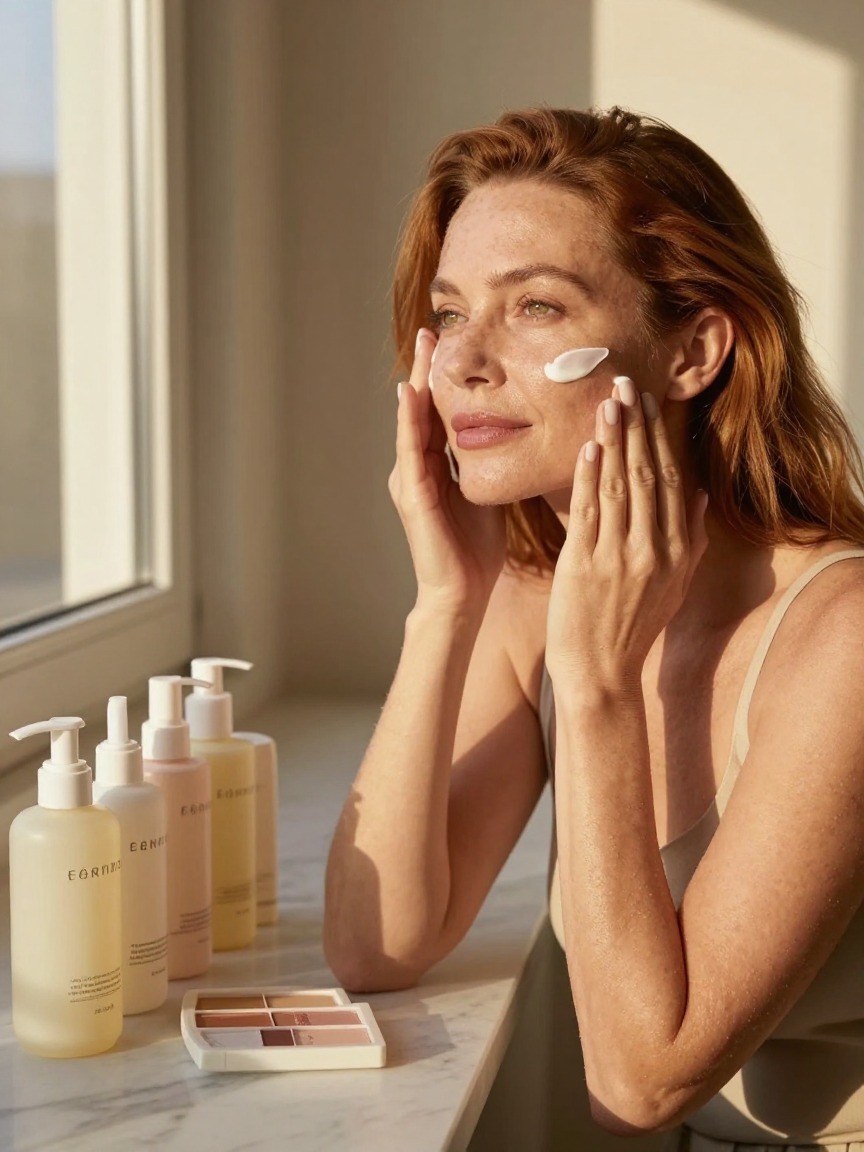
Cleansing removes the barrier between your skin and everything applied after it — leftover sunscreen, oil, sweat, and the previous night's products. Skip this step, or use a cleanser that doesn't fully remove sunscreen — a gentle option like CeraVe's Hydrating Facial Cleanser works for most skin. Every product layered afterward competes with residue instead of reaching skin directly. Double cleansing is an oil-based cleanser followed by a water-based one. It's worth it specifically on days sunscreen or heavy makeup was worn. It isn't a daily requirement for everyone.
Step 2: Toner, Essence & Hyaluronic Acid Hydration
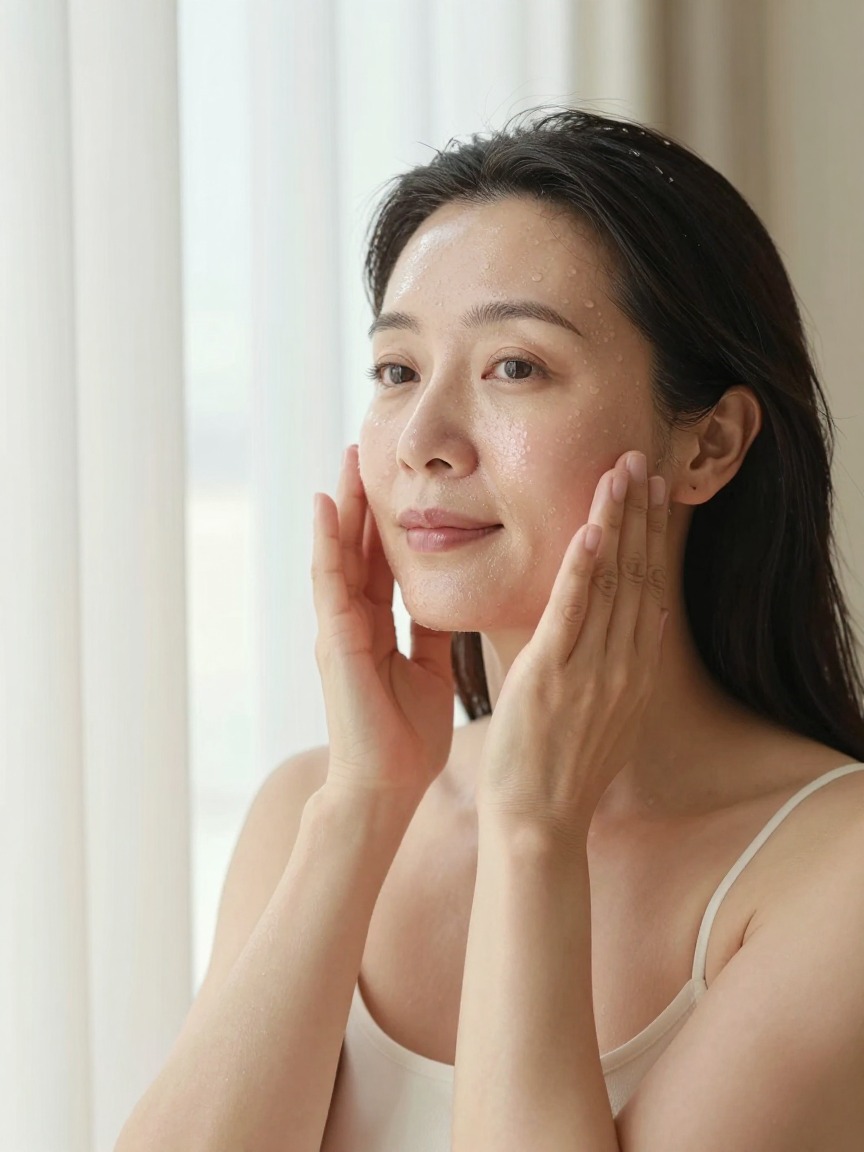
This step is optional but not pointless. A hydrating toner or essence re-wets the skin surface after cleansing. That helps water-based serums applied next spread and absorb more evenly. Skip the old-style astringent toners meant to strip oil. Most modern formulas are humectant-based, built around ingredients like hyaluronic acid. They exist purely to add a layer of hydration — not to correct anything.
Step 3: Treatment Serums — Vitamin C, Niacinamide, Retinoids & Exfoliating Acids
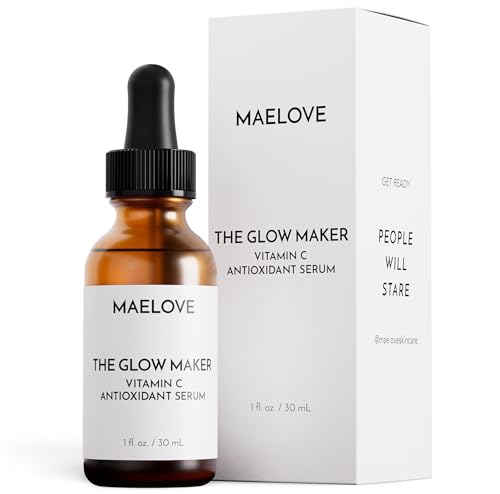
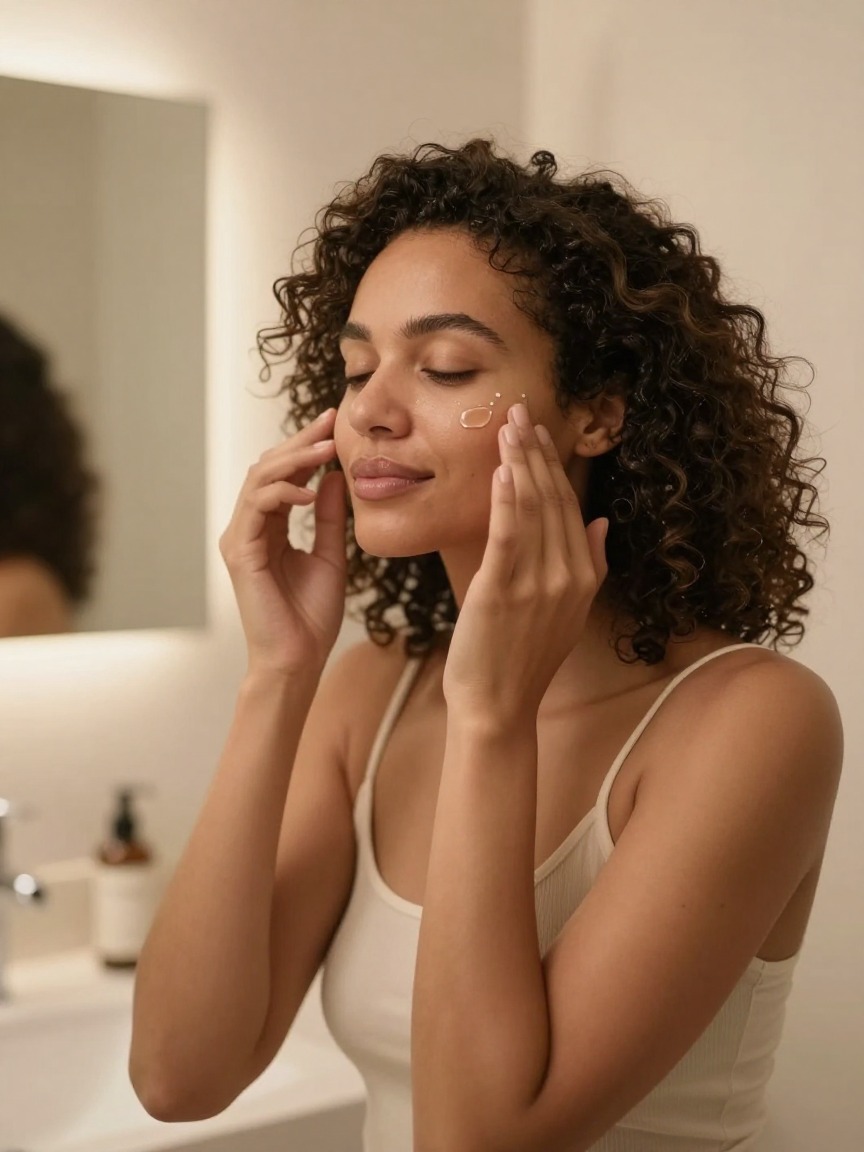
This is where order gets complicated, because different actives have different rules. Water-based serums like niacinamide (The Ordinary's Niacinamide 10% + Zinc 1% is a well-known example) or hyaluronic acid can go on damp skin. Vitamin C is pH-dependent, so it generally performs best on completely dry skin, applied before anything else that might raise the surface pH. If you use more than one serum, apply them thinnest to thickest. And — this matters more than most order questions — never apply a retinoid and an exfoliating acid in the same session. Alternate them on different nights instead.
Step 4: Eye Cream
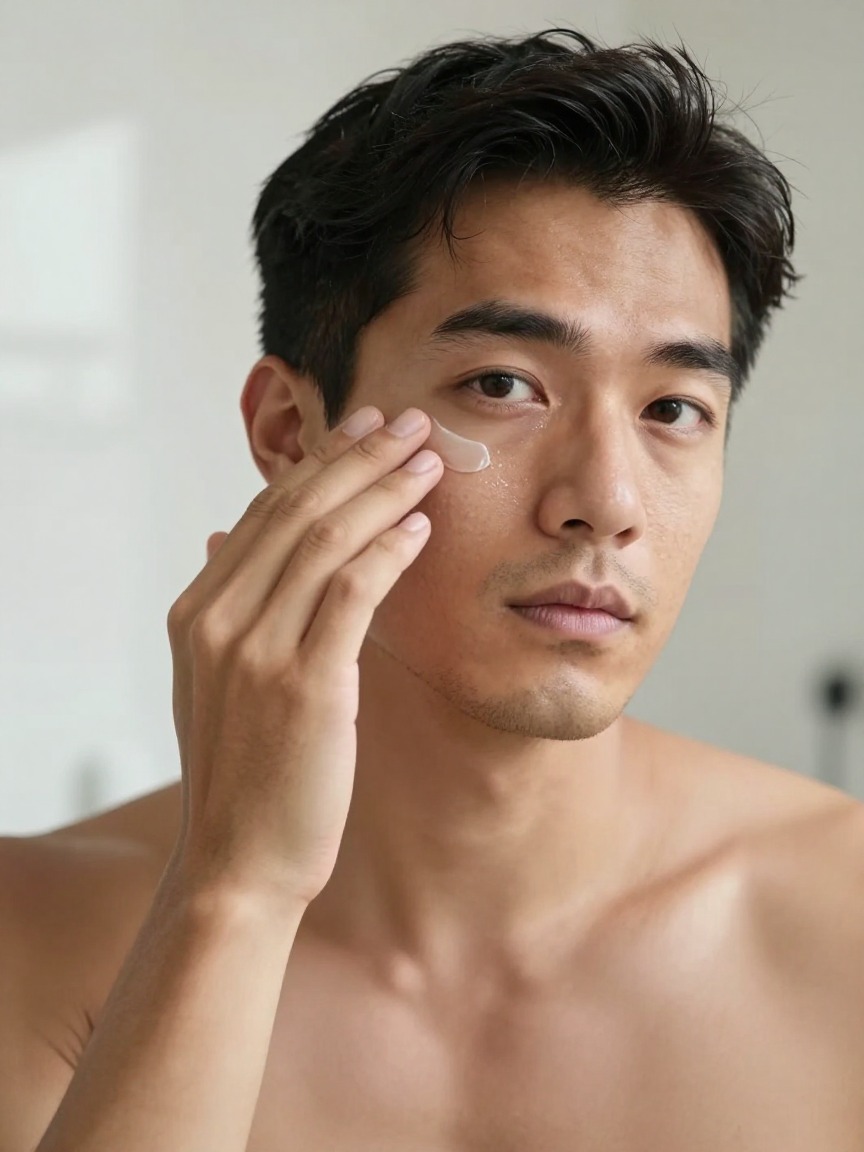
Eye cream sits between serum and moisturizer for most people. Apply it with a light ring-finger tap rather than rubbing it in. Dragging the thin skin around the eyes over years can contribute to irritation. Some formulas are thin enough to double as a light morning layer for the eye area under sunscreen. Heavier ones are better reserved for night.
Step 5: Moisturizer for Dry Skin and Beyond
Moisturizer's job is to seal the layers underneath it and reinforce the skin's barrier — a lotion like La Roche-Posay Toleriane works well for this step. That's why it comes after every treatment step but before SPF. On dry skin, a second, richer layer can help lock in hydration on especially dry days. This technique, sometimes called moisturizer sandwiching, applies a slim layer before a serum and a fuller one after.
Step 6: Sunscreen & SPF
SPF is non-negotiable as the final step of a morning routine, applied on top of everything else, including moisturizer. It needs to sit as an intact film on the skin's surface to work as tested. Layering anything on top of it reduces the protection actually delivered. A setting powder is generally fine; a second moisturizer is not. Reapplication matters too. A single morning application won't hold up through several hours of direct sun exposure, regardless of the SPF number on the label. A broad-spectrum pick like EltaMD UV Clear is a dermatologist-office staple for exactly this reason.
Facial Oil: The One Exception
Facial oil is the one product that breaks the moisturizer-then-seal rule. It's used at night, after moisturizer, as a top layer rather than a hydrator. Oil molecules are too large to carry water-based ingredients through skin, so applying an oil first blocks everything layered after it. If a routine includes a facial oil, it goes on last, full stop.
What Changes This Order: Prescription Treatment & pH
Prescription treatment is the main exception to all of the above. A dermatologist may prescribe a specific product — tretinoin, a prescription antibiotic gel, hydroquinone. Follow their instructions on when and how to apply it over general routine logic. Prescription-strength actives often have interaction rules, including pH conflicts, that override the standard thinnest-to-thickest guideline.
A Quick Reference Order
For a fast mental checklist, most AM routines run: cleanse, treat, hydrate, protect. Most PM routines run: cleanse, treat, hydrate, seal. Everything above is really just an expansion of those four words. The six-step version simply breaks 'treat' and 'hydrate' into their own sub-steps for people running a fuller routine. If you ever lose track of where a new product should go, match it to one of those four categories by what it's meant to do. That's usually enough to place it correctly.