


Why azelaic acid is a rosacea-routine regular
Azelaic acid comes up constantly in rosacea-focused skincare conversations, and it's not hype. A 15% prescription gel is FDA-approved specifically for rosacea bumps and visible redness. The same molecule is available over the counter at lower strengths, for milder or occasional redness — The Ordinary's 10% Suspension is a straightforward way to try it. Its appeal comes down to a rare combination. It's considered calming for visibly inflamed skin. It also helps texture and clogged pores, without the intensity of a retinoid or a strong exfoliant.
Calming redness, inflammation & rosacea pustules
For rosacea-prone or reactive skin, azelaic acid is most associated with calming ongoing redness. It also helps reduce small, acne-like bumps and pustules that can come with rosacea. It's not a treatment that produces a dramatic before-and-after in days. Visible improvement tends to build gradually, over weeks of consistent, twice-daily use. It works best alongside a fragrance-free moisturizer, daily sunscreen, and trigger avoidance.
Over-the-counter vs. prescription-strength azelaic acid for rosacea
This is one of the categories where the OTC-vs-prescription distinction matters most. Over-the-counter azelaic acid, capped at 10%, is reasonable for mild, occasional redness. It also works as a maintenance step once symptoms are under control. But persistent bumps, pustules, or redness that doesn't respond to a 10% formula is different. That's usually clear after a few months of consistent use. It's worth seeing a dermatologist, rather than expecting a stronger version on a shelf. A dermatologist can also confirm you're dealing with rosacea, not a look-alike condition. Perioral dermatitis and seborrheic dermatitis can cause similar redness and bumps. They don't all respond to the same treatments.
Introducing it to reactive, sensitive skin without tingling
Reactive, sensitive skin benefits from a slower introduction than "twice daily" instructions suggest. Start with every-other-day application for the first one to two weeks. Move to once daily first. Add a second daily application only once your skin has clearly tolerated that. This gives you room to catch irritation early. Apply it to fully dry skin. Even a little residual water can make an acid formula sting more. Some tingling for the first minute or two is common and not a reason to stop. Ongoing burning, visible swelling, or a reaction that worsens over the following hours is.
Pairing with niacinamide, moisturizer & daily sunscreen
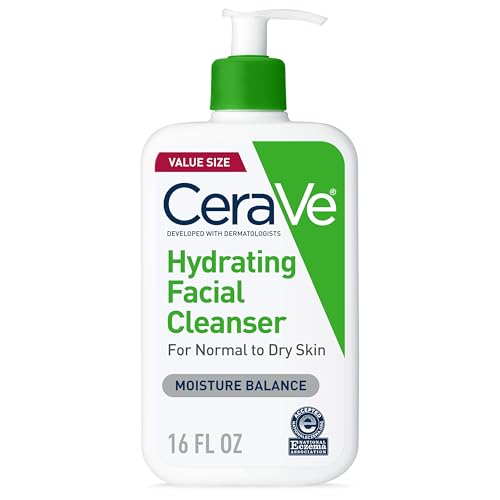
For rosacea-prone or reactive skin, azelaic acid pairs well with a simple, minimal routine. That means a gentle non-foaming cleanser, a fragrance-free moisturizer, and mineral sunscreen. It's generally fine alongside niacinamide, which shares some of the same calming reputation. Paula's Choice's 10% Azelaic Acid Booster, for example, is designed to blend into a moisturizer. It suits exactly this kind of gentle, flexible routine.
Avoiding exfoliants, retinoids & other rosacea triggers
Reactive skin runs into trouble combining azelaic acid with strong physical scrubs or high-percentage exfoliants. Adding retinoids into the same routine compounds the risk. Any of those can push an already-sensitive barrier past what it can handle. Each product may be fine alone, or on alternating days. Common rosacea triggers include heat, alcohol, and spicy food. They're worth tracking, though they vary a lot person to person.
Barrier support with ceramides, fragrance-free formulas & when to see a dermatologist
Rosacea is a chronic condition, managed rather than cured — azelaic acid included. Consistent use of a well-formulated product can realistically offer a calmer complexion. Fewer visible bumps over time is a reasonable goal too. A fragrance-free moisturizer with ceramides supports the skin barrier while you're using an active like this. We review formulations and long-term user experience, not individual skin conditions. If your redness is new, worsening, or comes with visible blood vessels, burning, or eye irritation, see a dermatologist. A new serum isn't the right next step for those symptoms.