Prescription-strength vs. over-the-counter azelaic acid
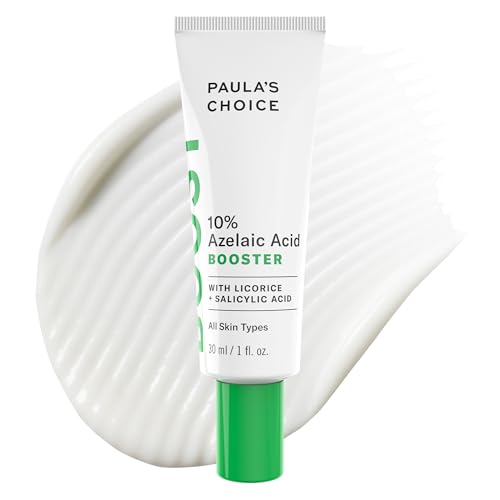
Azelaic acid is a naturally occurring acid found in grains like wheat, rye, and barley. Skincare versions are lab-made for consistency. Every product on this list sits at 10% or lower — the ceiling for over-the-counter azelaic acid in the US. Dermatologists can prescribe stronger versions: a 15% gel or a 20% cream. Those prescription-strength formulas are usually reserved for persistent rosacea or acne that hasn't responded to OTC options.
Suspension vs. serum texture: which format to choose
Azelaic acid formulas range from thick suspensions to thin, near-invisible serums. Texture affects how a product layers under makeup or other actives. Suspensions can leave a slight cast, or feel tacky as they set. Lighter serum formats absorb faster, but often cost more for the same concentration. Neither format is objectively better. It's a genuine trade-off between finish, feel, and price.
Calming redness, rosacea bumps & visible inflammation
Azelaic acid is one of the more researched calming actives for visible redness. It's a common recommendation for rosacea-prone skin, including the small bumps that can come with it. Unlike a scrub or a strong acid, it doesn't work by stripping the surface. Instead, it targets the inflammation behind the redness itself. Look for a fragrance-free formula with few other actives, so reactive skin isn't managing too much at once.
Brightening dark spots, hyperpigmentation & post-breakout marks
Azelaic acid can gradually fade the marks a breakout leaves behind. It works on hyperpigmentation by interfering with the pigment-producing process that keeps dark spots visible. This isn't a fast fix. Most people need eight to twelve weeks of consistent use before judging results. Brightening happens gradually, not overnight.
Clogged pores, breakouts & mild acne
Azelaic acid also helps prevent clogged pores in the first place. That makes it useful alongside a core acne routine, especially for mild, non-cystic breakouts. It's not strong enough to replace acne treatment on its own. Think of it as support for clearer pores, not a stand-alone fix for active breakouts.
Pairing with niacinamide & choosing fragrance-free formulas
Several picks here pair azelaic acid with niacinamide, which supports the redness- and tone-evening effect. That combination works well for most skin types. Fragrance-free formulas are worth prioritizing if your skin is reactive or prone to sensitivity. Fewer added ingredients make it easier to tell what's actually working.
Sensitive skin, gentle use & who benefits most
- Redness-prone and rosacea-prone skin: azelaic acid is one of the more researched calming actives for visible redness and rosacea-type bumps.
- Post-breakout marks: it can gradually even out discoloration left after a pimple heals, though it works slowly and needs consistency.
- Mild, non-cystic acne: its role in keeping pores clear makes it a reasonable addition alongside, not instead of, a core acne routine.
- Sensitive skin that reacts to retinoids or stronger acids: it's generally considered one of the gentler actives available.
Choosing an Azelaic Formula: Format, Feel, and Price
Because every over-the-counter option tops out around the same strength, the real decision is finish, feel, and price rather than potency. A budget suspension like The Ordinary's or Good Molecules' delivers a genuine full-strength dose for very little, with the trade-off of a slightly thicker, sometimes tacky texture that can leave a faint cast under makeup. A lighter serum such as Naturium's absorbs faster and layers more cleanly, but you usually pay more for the same active. Neither is better on paper — decide by whether finish or cost matters more to you.
Match the format to your skin, too. Reactive or first-time skin does well easing in with a lower-strength, daily-use option like the Allies of Skin or Inkey List formulas, while redness- or rosacea-prone skin benefits most from a fragrance-free formula, ideally paired with niacinamide. Always check the labeled percentage rather than assuming a pricier bottle is stronger — with azelaic acid, it usually isn't.
Mistakes to avoid, and when to see a dermatologist
The most common mistake is expecting fast results. Azelaic acid works slowly, and rushing to judge it usually means giving up too early. The second mistake is layering it with several other strong actives at once — that raises irritation risk without speeding anything up. And since "azelaic acid" isn't a regulated marketing term, always check the labeled percentage rather than assuming a higher price means a higher concentration. If a 10% formula hasn't helped after several months of consistent use, that's the point to talk to a dermatologist about a prescription-strength option instead.