

What Drives Oil Production: Hormones, Sebum & Oily Skin
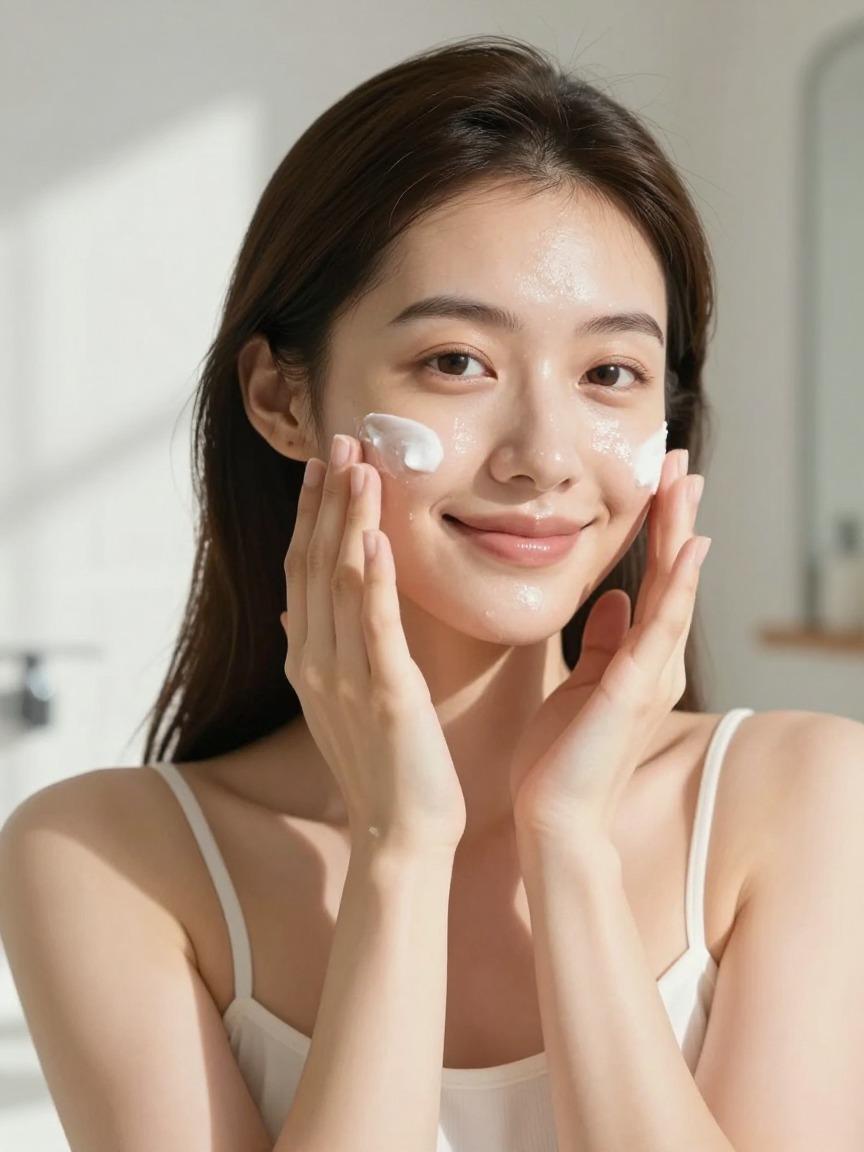
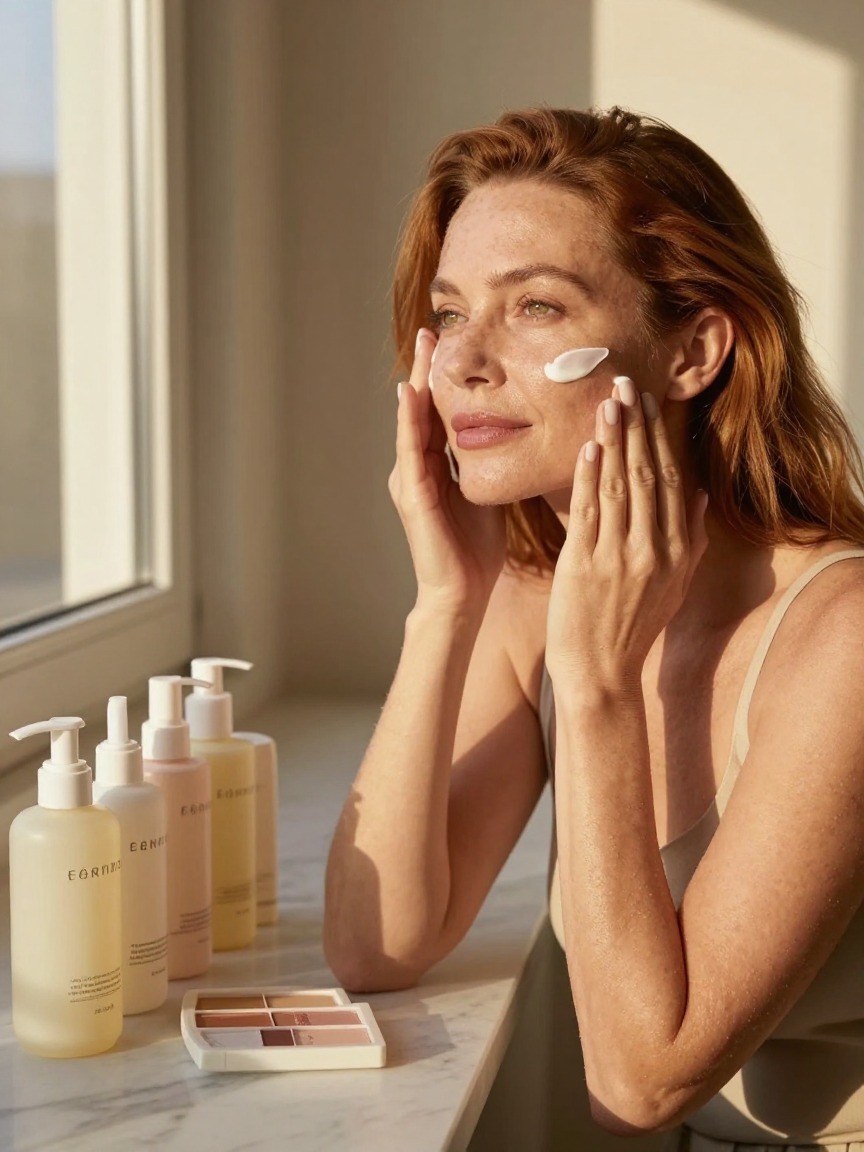
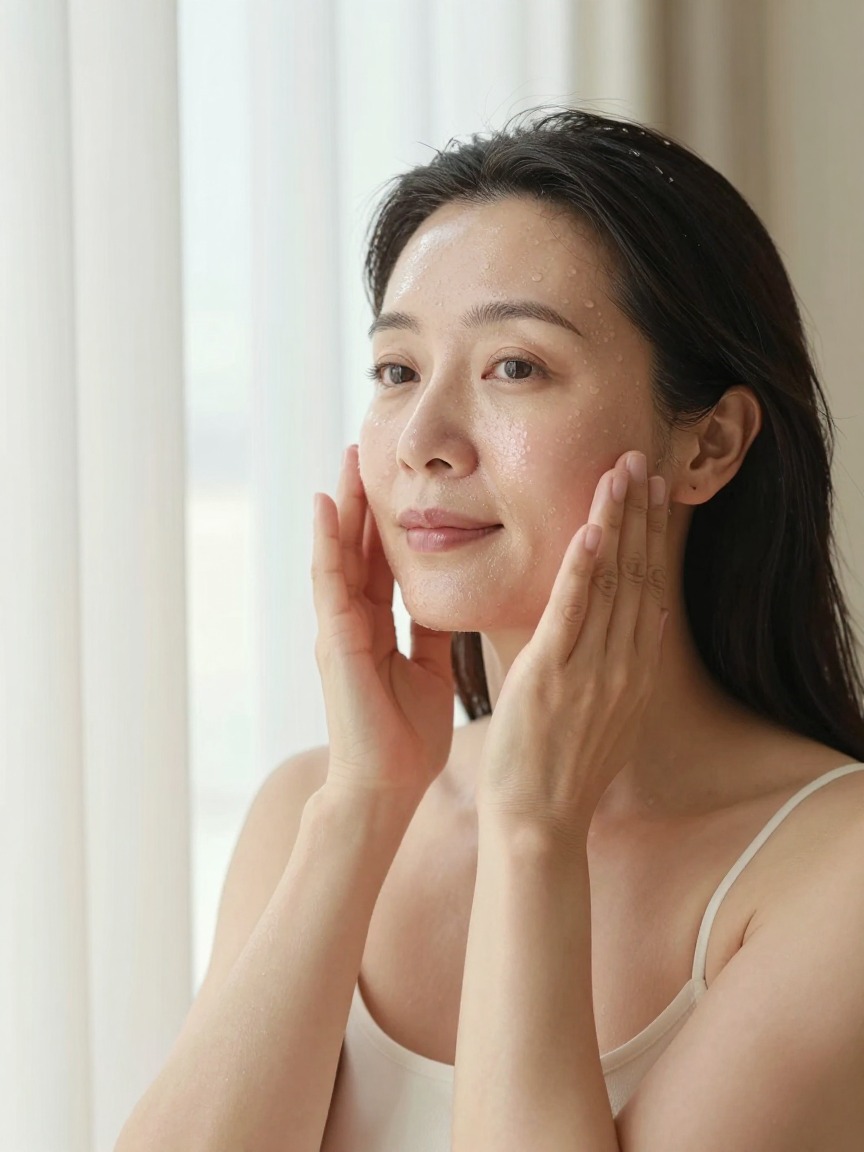
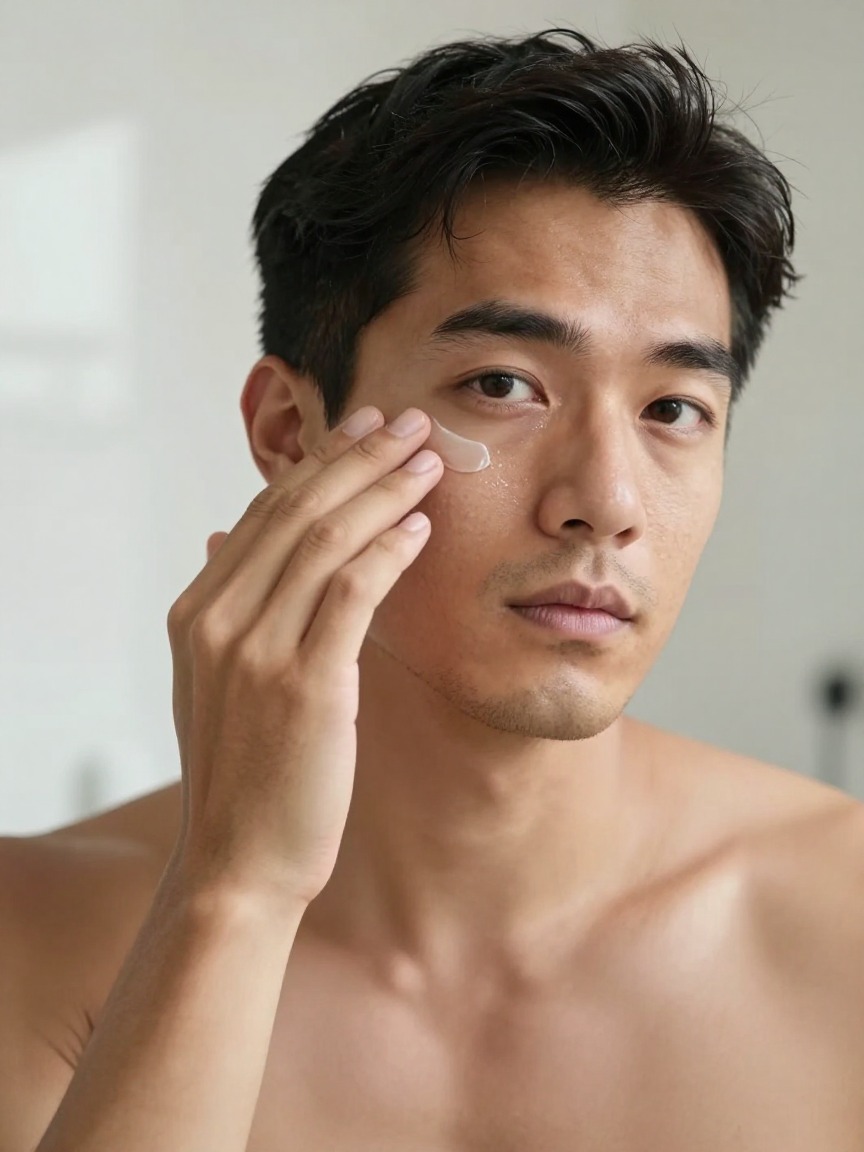
Sebum (oil) production comes from the sebaceous glands attached to hair follicles. It's influenced by hormones, genetics, and even the weather. Niacinamide doesn't shut oil production off. But multiple studies agree on one thing. Regular topical use reduces sebum secretion in people with naturally oily skin. That's typically at 2-5% over 4 to 8 weeks. These niacinamide benefits show up in everyday ways. Less surface oil generally means less midday shine and less makeup breakdown. That holds whether you use a budget option like The Ordinary or a step-up formula like Good Molecules. It often brings a drop in how visible pores look too. Enlarged-looking pores are frequently linked to oil buildup stretching the follicle opening.
Why Pores Look Smaller: Skin Texture, Blackheads & Genetics
Pore size itself is mostly determined by genetics. It doesn't shrink permanently from any topical product, including niacinamide. What changes is what's happening in and around the pore. There's less oil and debris built up inside it. The surrounding skin texture looks smoother. There's also less inflammation-related puffiness around the follicle opening. Reduced oil and debris can mean fewer blackheads too. Fewer pores stay congested. Together, those changes make pores look less prominent, especially in the T-zone. No product actually alters pore structure. Be skeptical of any serum that claims to "shrink pores" outright, niacinamide or otherwise. The more accurate claim is a reduced visible pore size through oil and texture control. That's the one research supports.
Niacinamide, Acne-Prone Skin & Breakouts in the T-Zone
Niacinamide isn't a direct acne treatment the way benzoyl peroxide or a prescription retinoid is. But it's a reasonable supporting ingredient for oily, acne-prone skin. That's especially true across the T-zone, where breakouts tend to cluster. It helps regulate excess oil, one contributor to clogged pores. It also has some anti-inflammatory properties. Those may calm redness around existing breakouts. And it's gentle enough to layer with actual acne treatments without adding much irritation. Gentle-leaning formulas, like Glossier's Super Pure or options from La Roche-Posay, suit this use well. For persistent or cystic acne, a dermatologist can offer prescription options niacinamide alone won't replace.
Zinc PCA, Salicylic Acid & Benzoyl Peroxide: Common Pairings
Many of the strongest oil-control niacinamide serums pair it with zinc PCA. That's a zinc salt with its own oil-regulating, mildly antibacterial properties. The combination isn't essential. Plain niacinamide serums still help with oil. But some formulas are built around this pairing. Naturium's Niacinamide Serum 12% Plus Zinc 2% is one. It markets itself clearly as an oil-control product. That makes it easy to spot on an ingredient list. Paula's Choice also offers niacinamide in this oil-focused space. Some people combine niacinamide with a salicylic acid cleanser. Others add a benzoyl peroxide spot treatment to target breakouts directly. Introduce one new product at a time if you do. That way you can tell what's helping, and what's causing dryness or irritation.
Congestion, Inflammation & When to See a Dermatologist
Niacinamide's effect on oil, congestion, and inflammation is real. But it's gradual and moderate, not dramatic. Most people notice a difference in shine and skin texture within 4-8 weeks of consistent use. It won't happen in days. It also won't fully override genetics, hormones, or climate. Someone with naturally oily skin will likely still need blotting papers on hot days. That's true even with niacinamide in their routine. Think of it as one tool that improves the baseline, not a full solution on its own. If congestion, inflammation, or breakouts persist, a dermatologist can rule out other causes and offer stronger options.