










Why the first few weeks make or break retinol tolerance
More people quit retinol in the first month than at any other point. It's not because retinol doesn't work. It's because they start too fast. Redness, flaking, and a tight, sunburned feeling - sometimes called "retinization" or the "retinol uglies" - are common in week one or two. How you handle that window decides whether retinol becomes a long-term staple or a bottle at the back of a drawer.
The two nights a week start: easing in without irritation
Begin with two non-consecutive nights a week - Monday and Thursday, for example - for the first two to three weeks. This gives skin time to build tolerance between applications instead of compounding irritation night after night. Resist the urge to increase frequency just because the first application "wasn't that bad." Reactions can build up over several days.
Buffering & the sandwich method: ceramides and moisturizer first
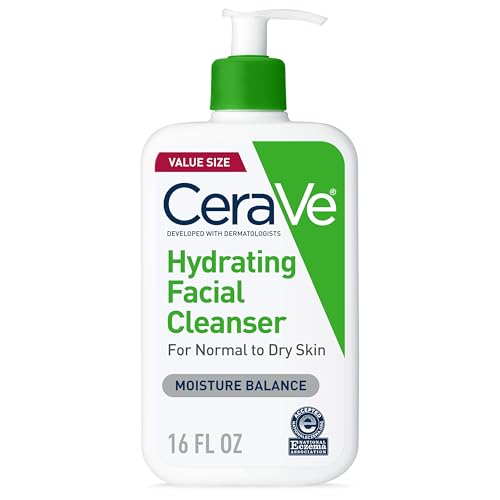
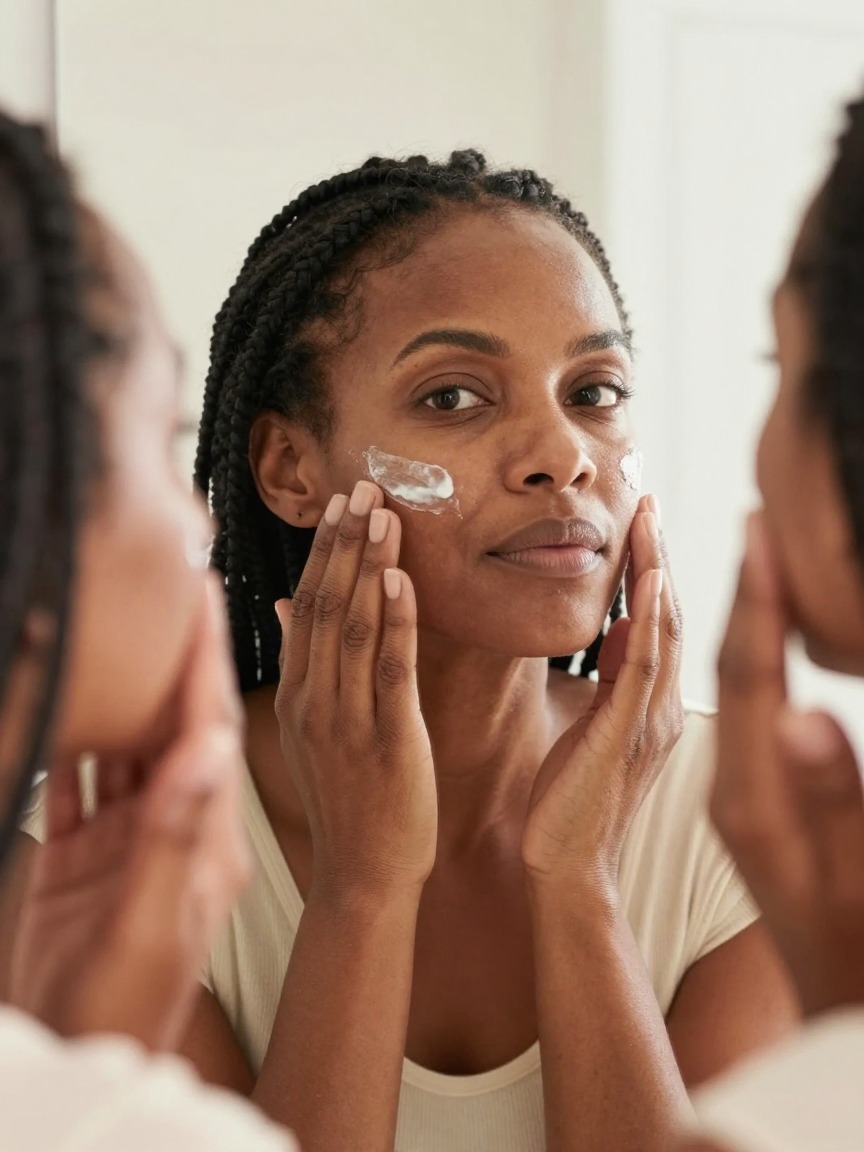
Buffering means applying a layer of moisturizer, ideally one with ceramides, before the retinol. That dilutes and slows how the active reaches skin. A "sandwich" goes further: moisturizer, then retinol, then another light layer of moisturizer on top. Both approaches reduce the intensity of that first exposure. They manage the pace of adjustment, not skip it.
Mixing retinol into your moisturizer for sensitive skin
Some formulas - Paula's Choice 1% Retinol Booster is a well-known example - are built to be mixed into a moisturizer rather than applied alone. That lets you control exactly how diluted the first application is. This is genuinely useful for very sensitive skin, though it takes more attention than a ready-formulated, lower-strength serum from a brand like CeraVe or La Roche-Posay.
Patch test before your whole face: catching a reaction early
Apply a small amount to the inner forearm or along the jawline. Do this for two to three nights before using it on your entire face. A patch test won't predict every possible reaction. But it catches an outright allergic response or severe sensitivity before it happens somewhere more visible.
Normal adjustment vs. a reaction to stop: redness, flaking & purging
Mild dryness, light flaking, and slight redness for the first one to two weeks are common. They typically settle as skin adjusts. This isn't the same as "purging" - a temporary increase in breakouts some actives cause as cell turnover speeds up. Retinol irritation shows up as dryness and redness, not new breakouts. Signs to scale back or stop include burning that doesn't fade within a few minutes, swelling, hives, or skin that's raw or weeping. That's no longer ordinary adjustment. It's a signal to stop and, if it doesn't resolve quickly, check in with a dermatologist.
Hyaluronic acid, moisturizer & sunscreen aren't optional extras
A simple, fragrance-free moisturizer with ceramides or hyaluronic acid should go on every night you use retinol. Even oily skin benefits from the extra barrier support during the adjustment period. Retinol increases how easily skin burns. A broad-spectrum sunscreen every single morning isn't a suggestion. It's the difference between retinol working for you and retinol working against you.
When to slow down permanently: barrier, dryness & retinization
If every attempt to increase frequency triggers the same cycle of redness and flaking, that's useful information, not failure. Some skin does best staying at two to three nights a week indefinitely, rather than working up to nightly use. That's a perfectly reasonable place to land. A compromised barrier and ongoing retinization aren't badges of progress - they're a sign to protect the skin you have. Consistency at a lower frequency beats an aggressive schedule you keep pausing.
Building tolerance takes months: ceramide support & when to see a dermatologist
Visible changes in texture and tone from retinol typically take eight to twelve weeks of consistent use. Building comfortable tolerance for a higher frequency or strength can take just as long. A ceramide-rich moisturizer supports the skin barrier the whole way through. Judging a retinol serum after a single week, good or bad, usually means judging it before it's had a real chance to work. If irritation keeps recurring no matter how slowly you introduce it, that's worth raising with a dermatologist. Naturium's 0.3% formula, RoC's gradual-release serum, and The Ordinary's Retinal 0.2% Emulsion are other widely used options once tolerance builds.