
Is an SPF Moisturizer Enough Protection?
The short, honest answer: it depends. What kind of day are you having? How much product do you actually apply? An SPF moisturizer is a legitimate form of sun protection. It's tested and rated the same way a dedicated facial sunscreen is. But the way people use a moisturizer, versus the way they use sunscreen, is where the real gap opens up.
The Application Amount Problem: Sunscreen Rating vs. Tested Amount
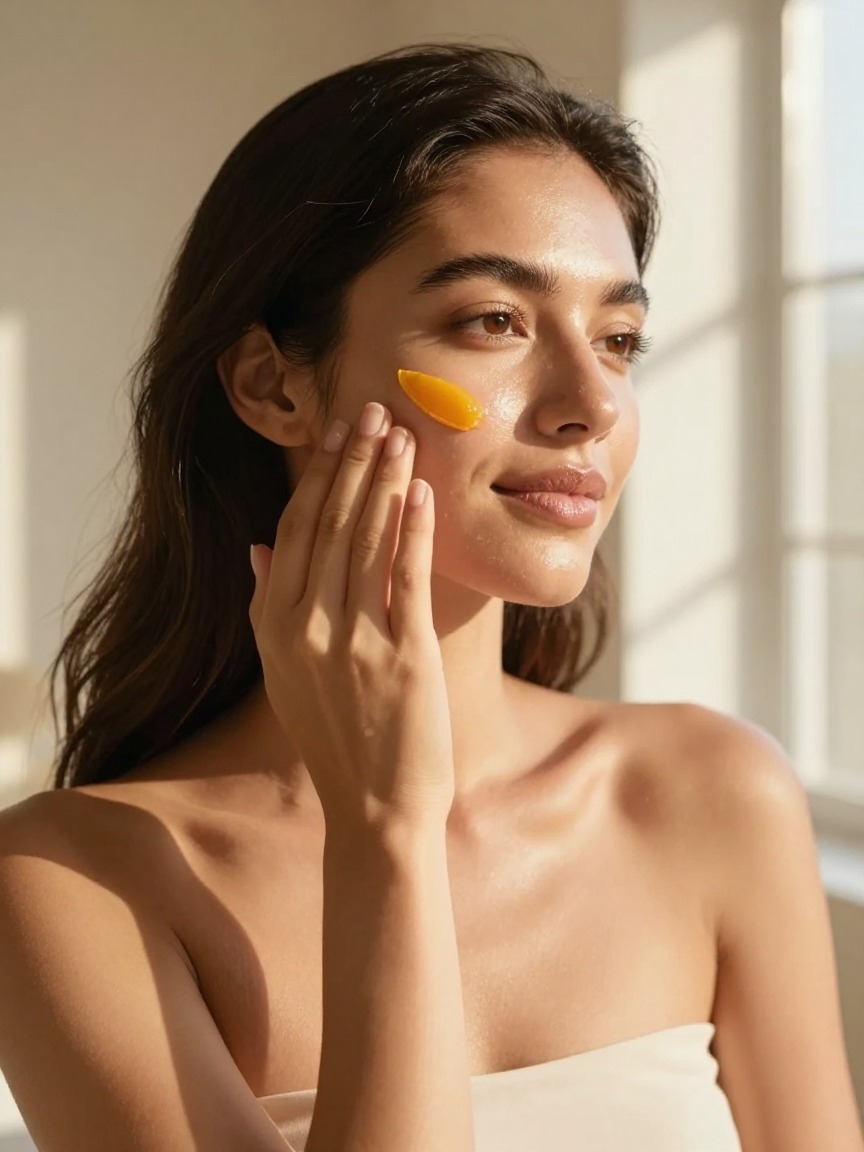
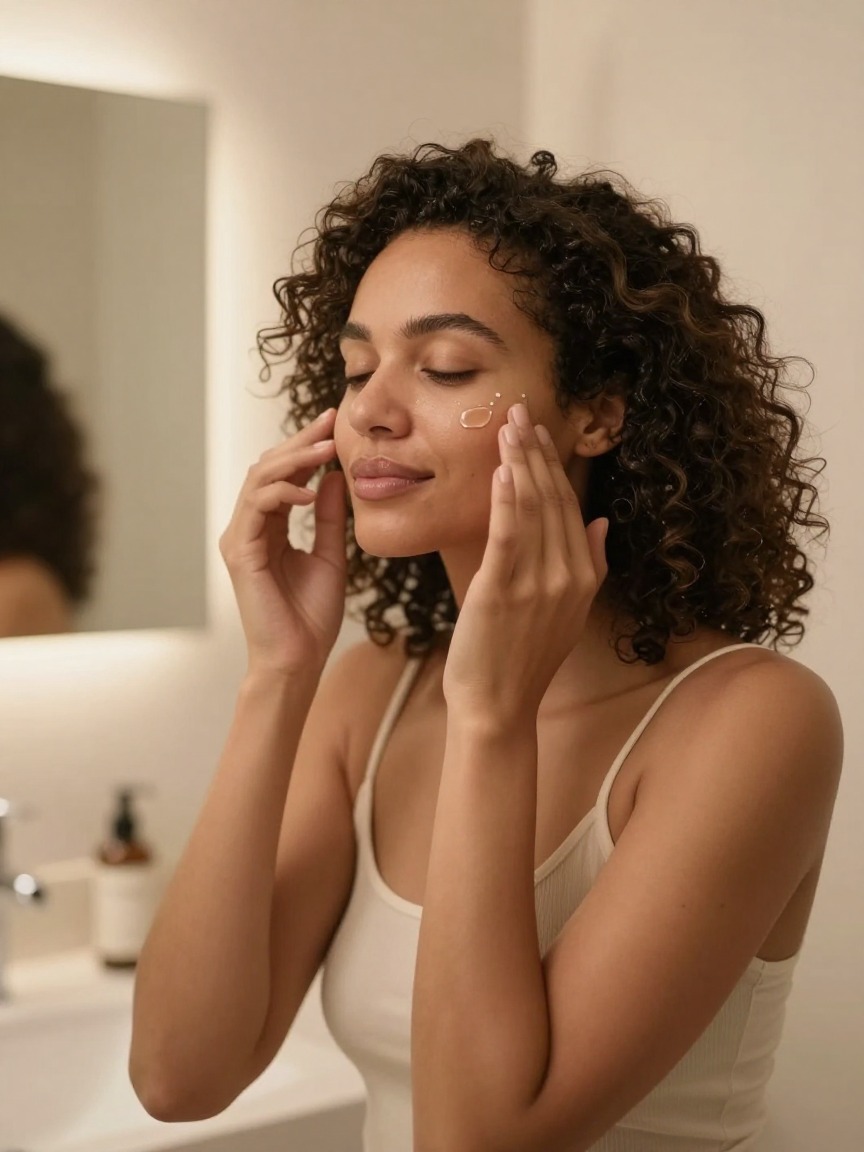
Sunscreen SPF ratings come from a lab, using a fixed, generous amount of product: 2 milligrams per square centimeter of skin. For an average face and neck, that's roughly a quarter teaspoon, spread evenly and left undisturbed. Multiple published studies on real-world sunscreen use tell a different story. People typically apply somewhere between a quarter and a half of that tested amount. SPF protection doesn't scale down proportionally with a thinner layer. It drops off faster than the applied amount alone suggests. A moisturizer with SPF makes this worse, not better. People apply moisturizer by feel and habit. They use enough to cover the face comfortably, not enough to hit a tested protection standard. The result: an SPF 30 moisturizer, applied the way most people apply moisturizer, likely delivers meaningfully less than SPF 30 worth of real protection.
The Reapplication Problem: UV Exposure and Outdoor Exposure Over Time
Sunscreen protection isn't permanent. It degrades with UV exposure, sweat, water, and time. That's why dermatologists recommend reapplying every two hours during sustained sun exposure. Almost nobody reapplies their morning moisturizer at 11am and again at 1pm. But sunscreen at the beach gets that treatment. A mostly-indoor day with brief outdoor moments is fine, since the exposure itself is limited. It's a real gap on a day with several consecutive hours of outdoor exposure. The SPF moisturizer applied at 7am has largely lost its effectiveness by early afternoon. Nothing is left behind it.
When an SPF Moisturizer Is a Reasonable Choice: Incidental Exposure and Daily Habit
- A typical day mostly spent indoors, at a desk, or commuting by car, with only brief, incidental outdoor time.
- A quick walk, school run, or errands where sun exposure is measured in minutes.
- As a baseline daily habit for people who wear no facial SPF at all. An Aveeno or Olay pick works as a low-cost start.
- Layered under a separate sunscreen on moderate-exposure days, as one part of a fuller routine.
When a Dedicated Sunscreen Is the Safer Call: Beach Day, High UV Index, and Skin Cancer Risk
- Beach days, pool days, hiking, gardening, sports, or any activity with sustained, direct outdoor exposure.
- High UV index days, especially at higher altitude or closer to the equator, regardless of activity.
- Any day involving sweating or water exposure, since most SPF moisturizers aren't formulated or tested to be water-resistant the way dedicated sunscreens are.
- Anyone with a personal or family history of skin cancer, or a history of significant sunburns. Also anyone with very fair skin or a photosensitizing medication. These call for a dermatologist's specific guidance, not general advice from a review site.
A Practical Middle Ground: Sun Protection Without Sacrificing Water-Resistant Coverage
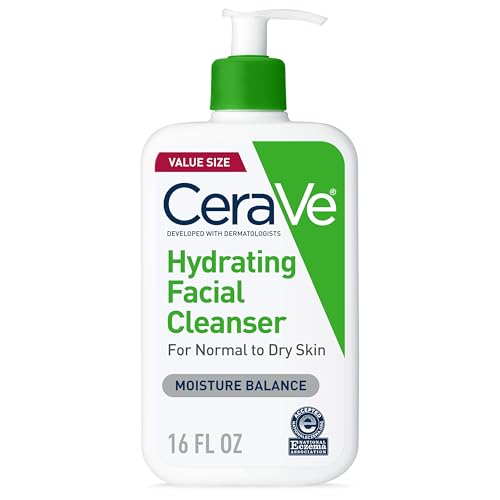
The most realistic fix isn't choosing one product over the other. Apply the SPF moisturizer generously, not sparingly the way you might ration a fancy jar of face cream. Then keep a dedicated, reapplication-friendly, water-resistant sunscreen on hand for the days that call for it. Some people apply a thin layer of dedicated sunscreen over their SPF moisturizer on higher-sun days. A product from CeraVe, Neutrogena, or La Roche-Posay works well for this. That stacks the odds in their favor without a whole separate routine change. What doesn't work is treating an SPF moisturizer as a set-it-and-forget-it solution for a full day of real sun exposure. That's asking a maintenance product to do a protection product's job.
The Bottom Line: SPF Moisturizer, Sunburn Risk, and Honest Expectations
An SPF moisturizer is enough for an ordinary, low-exposure day, applied generously. It is not enough for a day with sustained outdoor time and real sunburn risk. It was never really designed to be. Knowing which kind of day you're having matters more than the SPF number on the bottle. So does being honest about how much product you actually put on your face.