




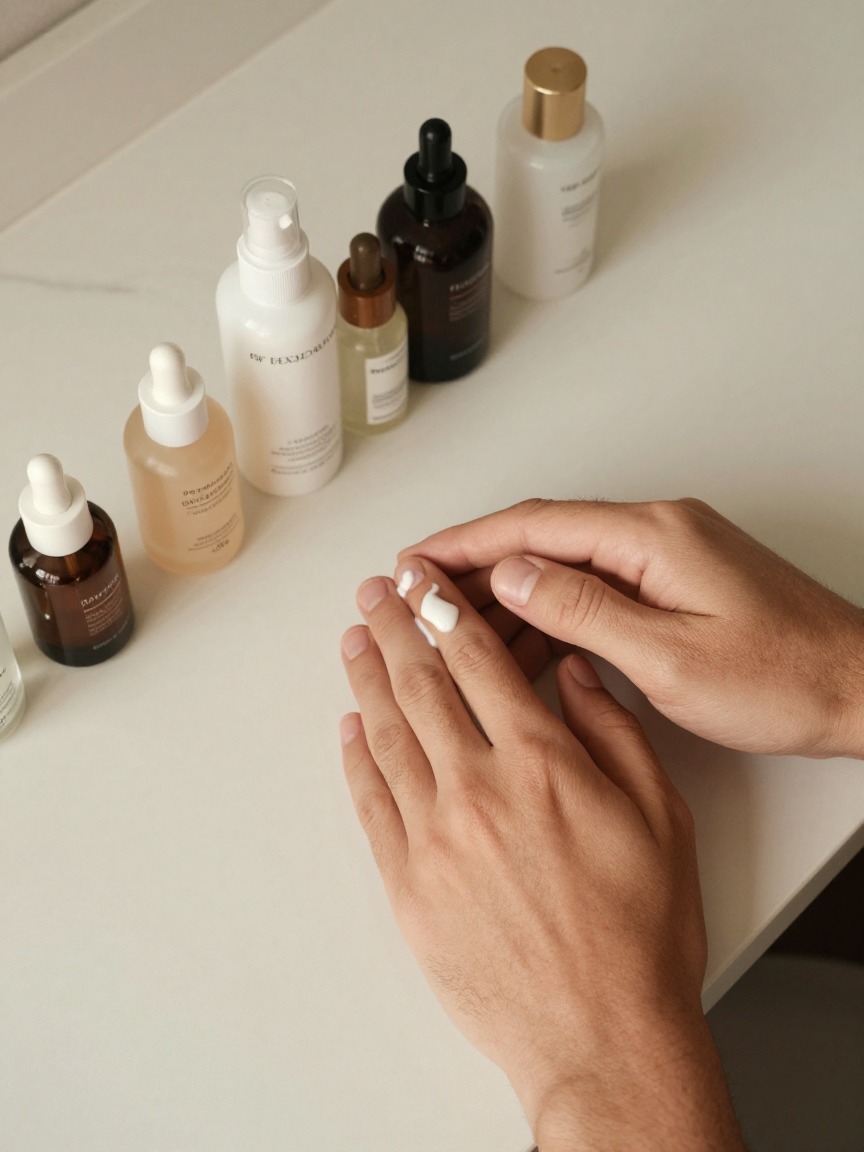
Layering SPF Moisturizer in Your Routine
An SPF moisturizer earns its place by replacing two steps with one. But that only works if it goes in the right spot in your routine. Put it in the wrong order and you can dilute its sun protection, waste a treatment serum underneath it, or end up with a product that pills instead of absorbing.
The Basic Morning Routine Order: Thinnest-to-Thickest, Sun Protection Last
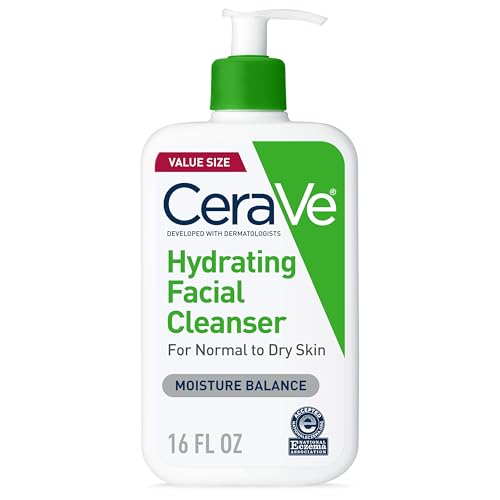
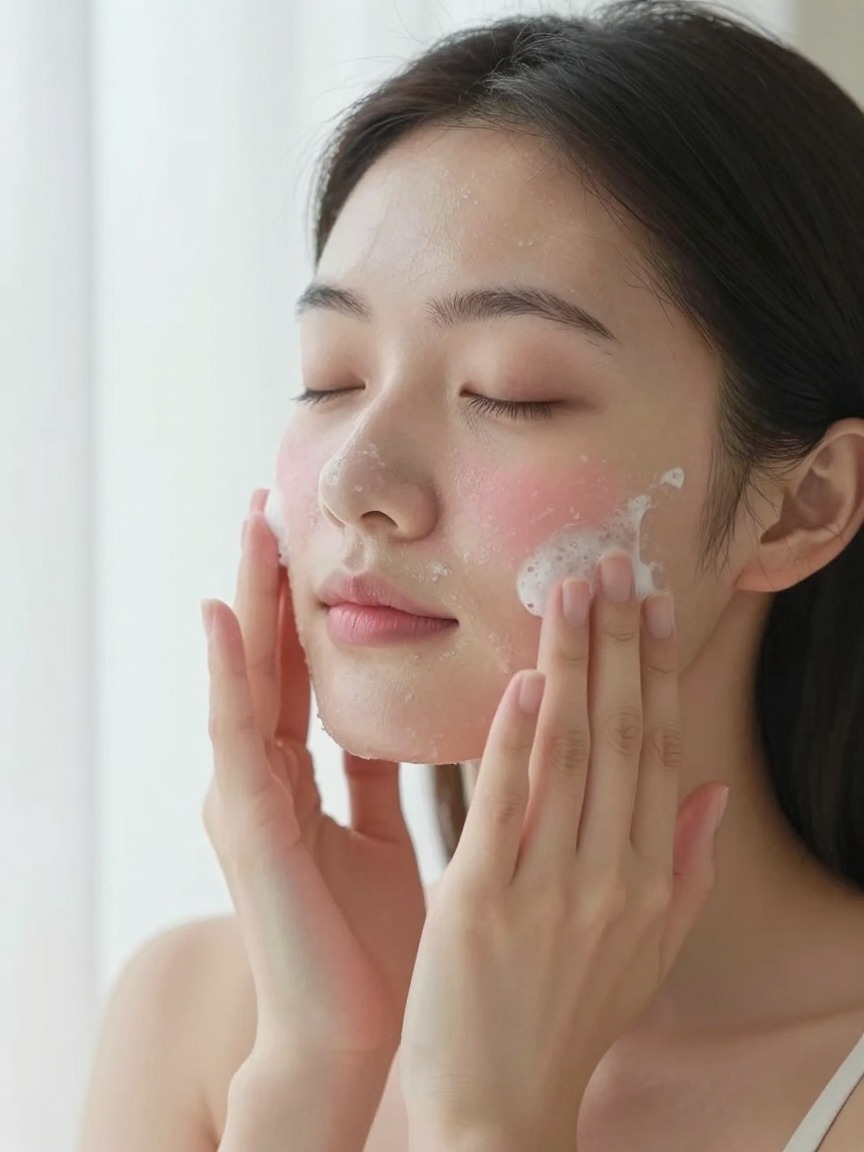
The general rule for a morning routine is thinnest-to-thickest, with sun protection last. Cleanser first, then any water-based treatment serum — vitamin C, niacinamide, hydrating serums — then your SPF moisturizer as the final skincare step, then makeup if you wear it. Applying an SPF moisturizer before a serum traps the serum's active ingredients under a barrier layer before they've absorbed. It can also thin out or disrupt the sunscreen filter layer sitting on top, reducing its effectiveness.
Give Each Layer Time to Set: Avoiding Pilling, Improving Absorption
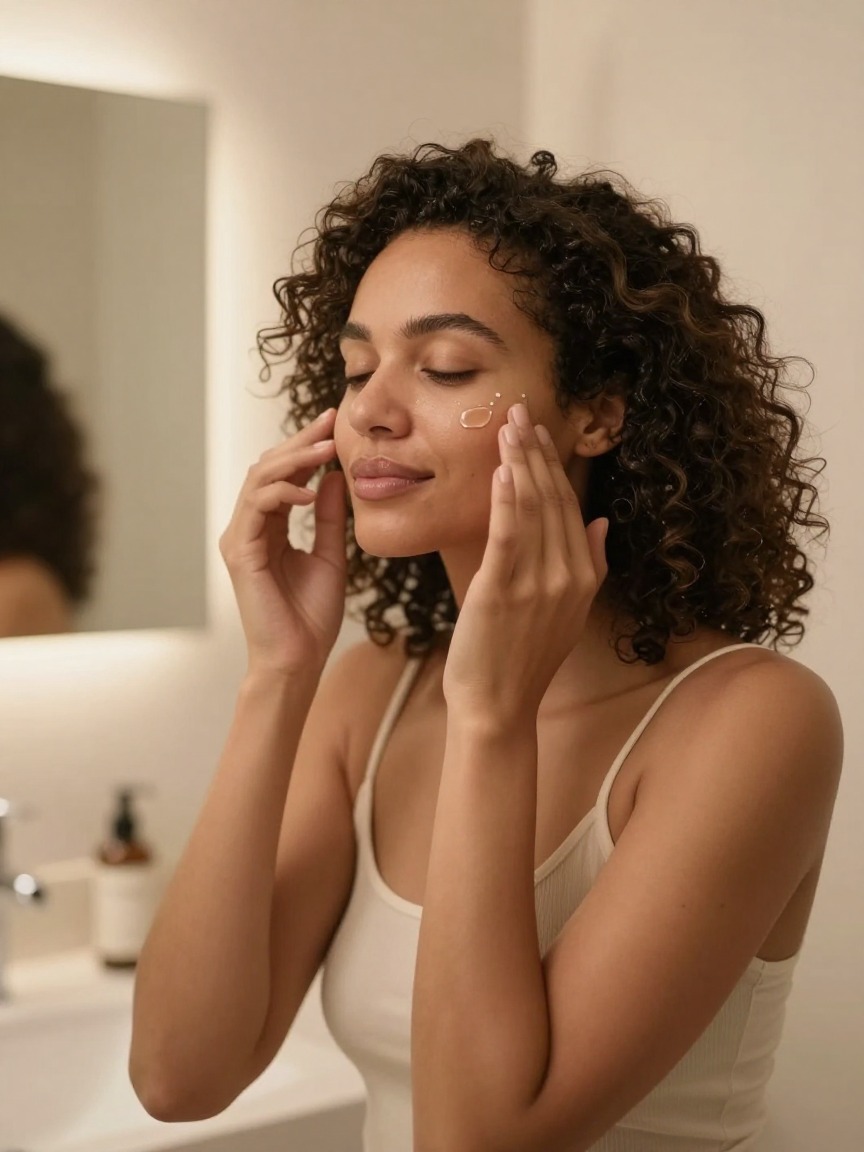
Rushing straight from serum to SPF moisturizer to makeup, all within seconds, tends to cause pilling. That's little rolled-up flecks of product sitting on the skin instead of absorbing. Wait roughly one to two minutes between each step, just long enough for the previous layer to stop feeling wet. This meaningfully improves how evenly the SPF layer covers the skin, which matters for getting close to the tested protection level.
Vitamin C Serum, Niacinamide, and SPF Moisturizer: Antioxidant Plus Sunscreen Filter
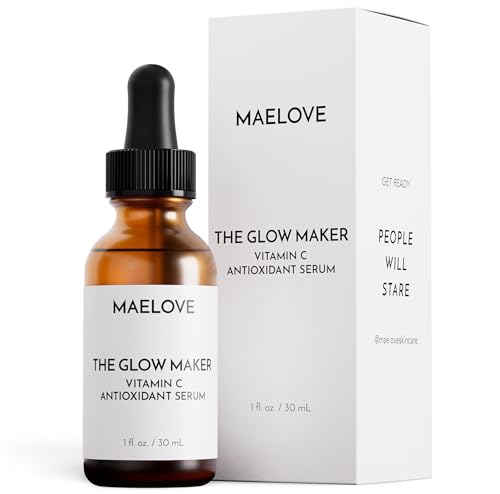
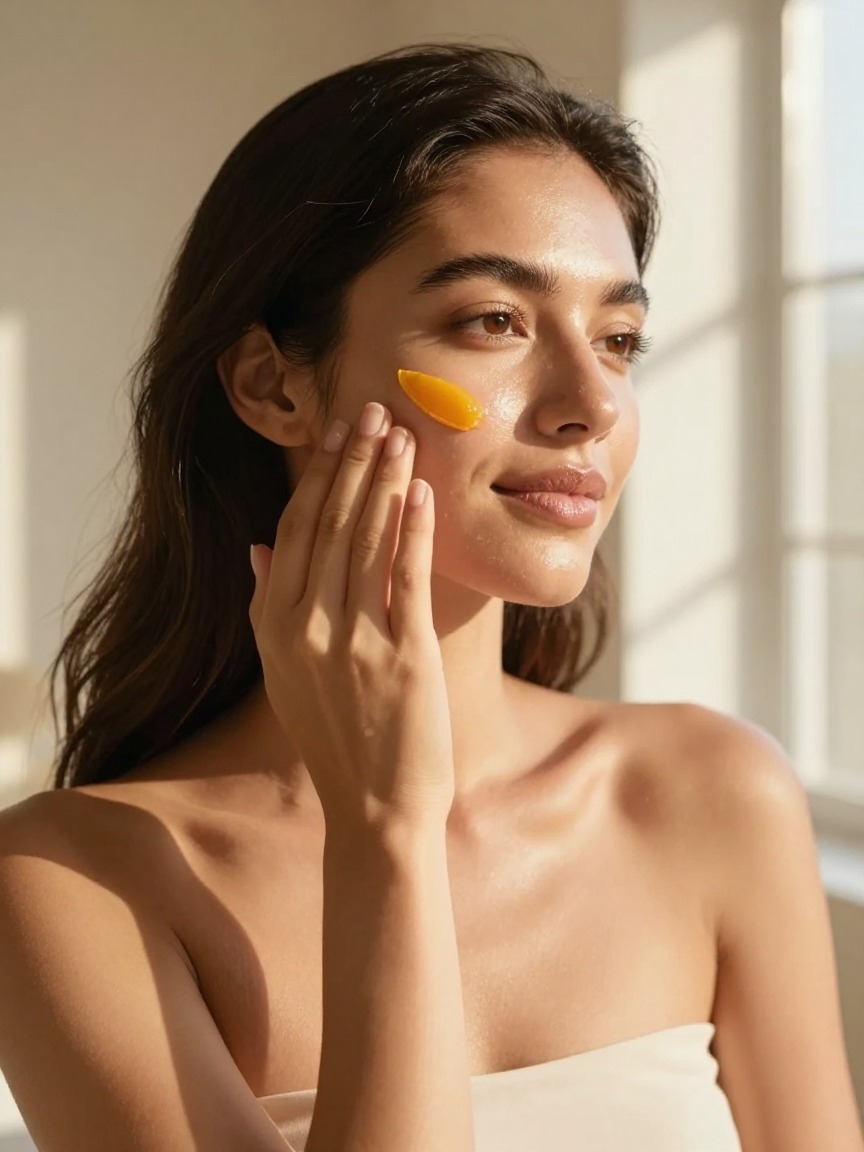
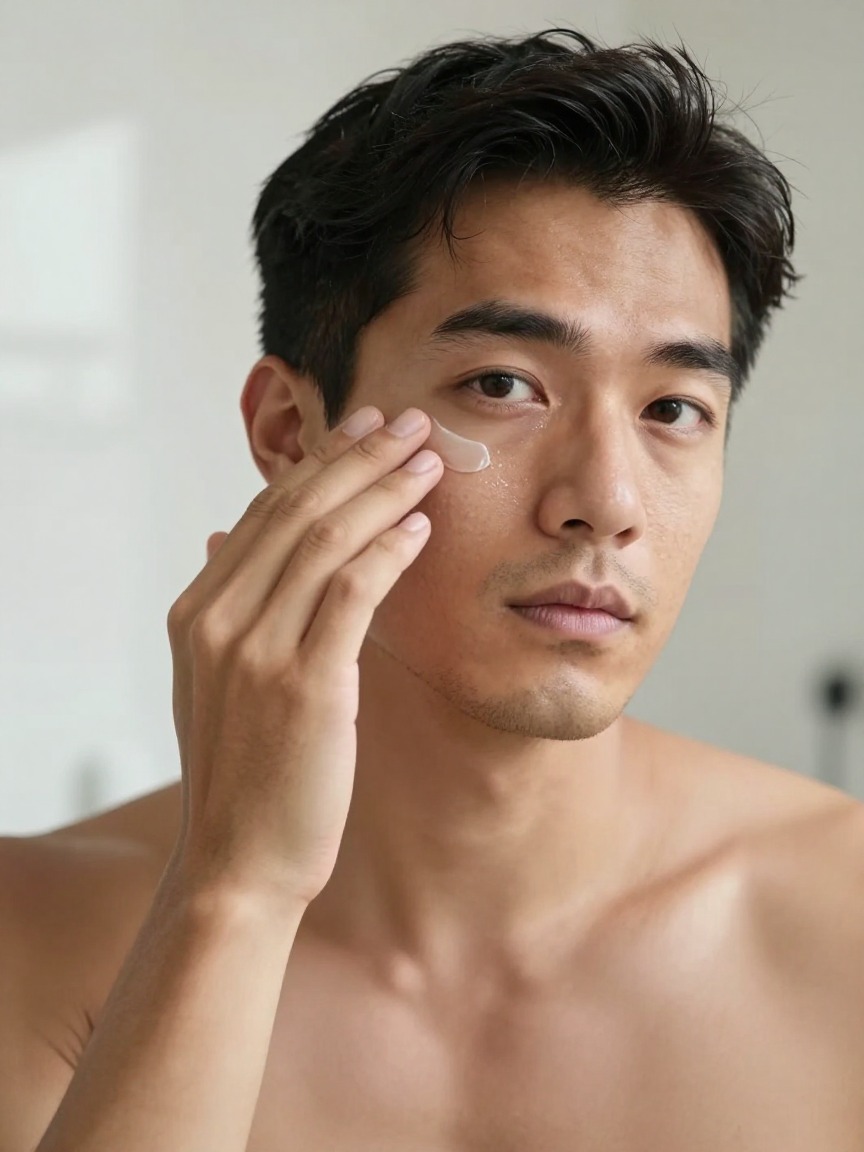
Vitamin C serum and an SPF moisturizer are natural morning partners. Vitamin C is an antioxidant that helps neutralize some of the free-radical damage UV exposure causes. SPF blocks the UV rays themselves. Apply vitamin C serum first, on clean, dry skin, and let it absorb for a couple of minutes. Then follow with the SPF moisturizer. Applying them in reverse order buries the vitamin C under an occlusive-leaning moisturizer layer before it can do its job.
Retinoid and SPF Moisturizer: Photosensitivity and Why They Don't Mix in the Same Step
A retinoid — retinol, tretinoin, adapalene — is a nighttime-only ingredient for most people. That's partly because retinoids increase photosensitivity, meaning skin becomes more reactive to UV exposure while using them. A consistent, generously applied SPF moisturizer the next morning is genuinely important the day after a retinoid application, not optional. Never apply a retinoid in the morning under an SPF moisturizer as a substitute for using it at night. The two aren't interchangeable, and daytime retinoid use without strong sun protection raises the risk of irritation and sun sensitivity.
Layering an SPF Moisturizer as a Makeup Base, Under Primer
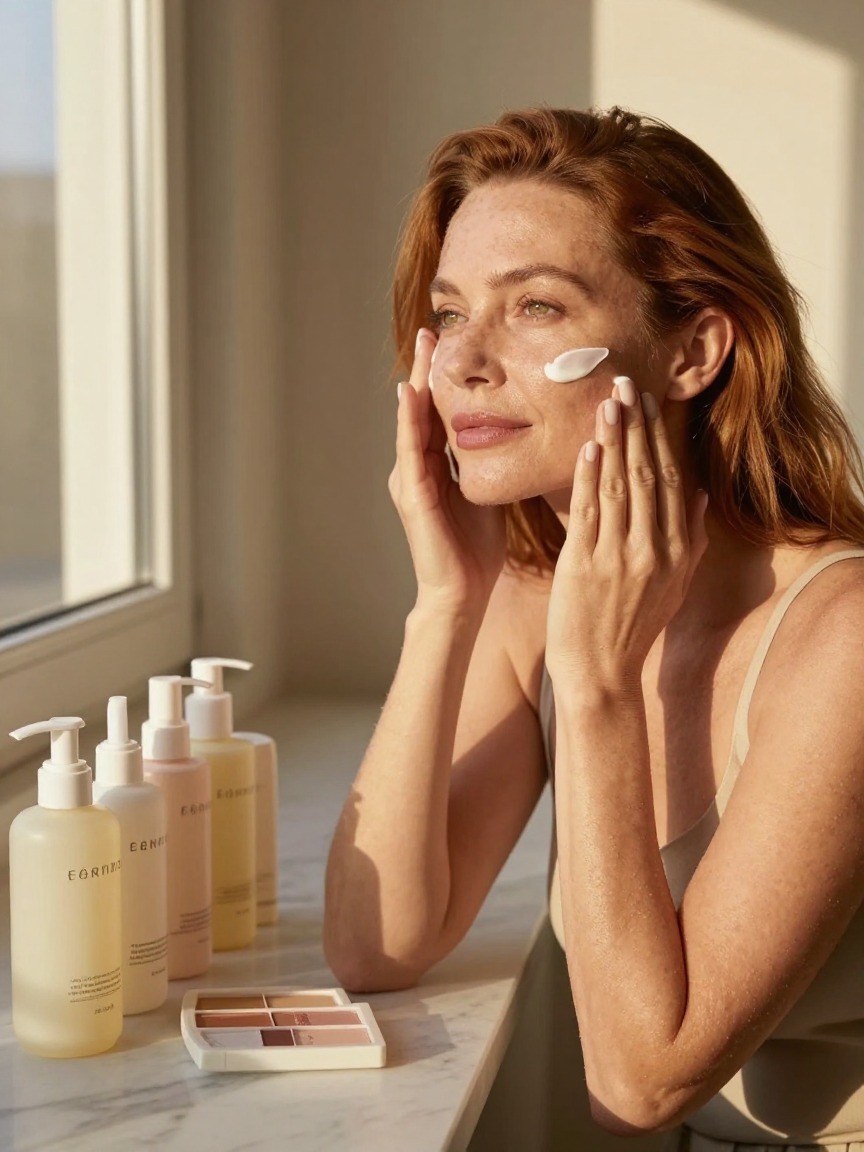
An SPF moisturizer works fine as a makeup base once it's had a minute or two to absorb. Apply it, wait briefly, then move to primer or foundation as usual. Setting powders and SPF-rated foundations layered on top don't meaningfully add to your sun protection number, whatever the marketing implies. Treat the SPF moisturizer as your real protection. Any SPF-labeled makeup is a very minor bonus on top, not a second full layer of defense.
Adding a Separate, Dedicated Sunscreen on Top
On days with more sun exposure than usual, some people layer a thin coat of dedicated facial sunscreen — from a brand like La Roche-Posay or CeraVe — over their SPF moisturizer, rather than switching products entirely. This works reasonably well as long as the moisturizer has had a couple of minutes to absorb first. That lets the sunscreen sit on top as its own distinct layer, instead of blending into a half-absorbed moisturizer. A mineral sunscreen tends to layer more predictably on top of a chemical-filter SPF moisturizer than the reverse.
What About Nighttime Routine?
An SPF moisturizer is a daytime-only product. There's no reason to wear sunscreen filters overnight, and some formulas feel heavier or more occlusive than most people want in a night routine. Swap to a plain, SPF-free moisturizer — one from Neutrogena or Aveeno works fine — for the evening step, applied after any nighttime treatment products like retinoids or acids have absorbed.
The Bottom Line: Treatment Serum First, Then Get the Layering Order Right
Order matters more than most people expect. Treatment serum first, SPF moisturizer as the last skincare step of the morning, a minute or two of patience between each layer, and a plain moisturizer — not an SPF one — at night. Get the sequence right, and an SPF moisturizer earns its convenience without quietly undercutting the other products in your routine.