SPF 30 and broad-spectrum protection: the non-negotiable baseline
Any SPF moisturizer worth buying needs SPF 30 or higher. It should also say "broad spectrum" on the front. That means it filters UVB, the burn-causing rays, and UVA, the deeper rays tied to aging. SPF 15 versions exist in this category, but SPF 30 is the safer everyday baseline. Most people apply thinner layers than lab testing uses, so the real gap between SPF 15 and SPF 30 is bigger than the numbers alone suggest. Skip anything that lists an SPF number without a broad-spectrum claim.
Chemical filter vs. mineral filter: zinc oxide, titanium dioxide, and UVA/UVB coverage
Chemical filters — avobenzone, octinoxate, octisalate, and similar ingredients — blend into a lightweight lotion easily. They layer well under makeup and rarely leave a cast. But they can sting sensitive eyes, and they need about 15 minutes to become fully active. Mineral filters — zinc oxide and titanium dioxide — sit on top of the skin and reflect UV rays immediately. They tend to be gentler on reactive or acne-prone skin, and they're usually the safer choice during pregnancy. The trade-off is a temporary white or gray cast, especially on deeper skin tones, plus a slightly thicker feel. Neither filter type is objectively better; it comes down to your skin and priorities.
Ceramides, niacinamide, and hyaluronic acid: matching ingredients to sensitive, oily, or dry skin
- Ceramides and niacinamide — support the skin barrier and suit dry or sensitive skin well.
- Hyaluronic acid — adds lightweight hydration without heaviness, a good fit for combination or oily skin.
- Zinc oxide — a mineral filter with some soothing, anti-irritant properties, useful for reactive or acne-prone skin.
- Added fragrance or essential oils — worth avoiding if your skin is sensitive or reaction-prone, regardless of how gentle the rest of the formula looks.
Fragrance-free, non-comedogenic formulas and makeup base performance
A moisturizer with SPF that feels heavy or greasy is a problem. So is one that leaves a visible cast. People quietly stop using products like that within a few weeks — and a sunscreen you've stopped applying protects nobody. Gel and lotion textures tend to suit oily and combination skin. Richer creams suit dry skin better, especially in colder months. If you wear makeup daily, prioritize a fragrance-free, non-comedogenic formula that absorbs quickly and works as a real makeup base. Pilling under foundation is one of the most common reasons people abandon an otherwise good SPF moisturizer.
White cast, reapplication, and honest sunscreen expectations
These six picks earn their place for genuine daily-wear quality: real broad-spectrum SPF 30, ingredients that function as an actual moisturizer, and a texture people will realistically use every morning. None of them replace a dedicated, reapplied sunscreen on a beach day, a hike, or several consecutive hours outdoors. Buy one of these for your everyday routine, and keep a proper, reapplication-friendly sunscreen around for the days that call for it.
Matching an SPF Moisturizer to Your Skin and Climate
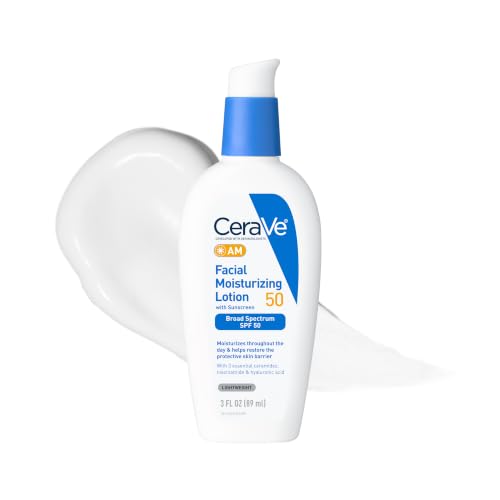
Pick around your skin type and the weather you dress for, because this product has to work as a real moisturizer too. Normal-to-dry skin that wants one simple morning step is well matched to a straightforward lotion like the CeraVe option. Sensitive or reactive skin, including anyone using retinoids or acids at night, should favor a gentle, fragrance-conscious formula such as La Roche-Posay's. Oily, combination, or hot-climate skin stays comfortable in a light gel like the water-gel option from a brand such as Neutrogena, while very dry or eczema-prone skin may be worth paying more for a richer, barrier-support formula from a brand like First Aid Beauty. If dullness is your concern, a brightening daily moisturizer from a brand like Aveeno adds tone benefits to the SPF step.
Reading the Label and Knowing Its Limits
Insist on SPF 30 broad-spectrum on the front and treat anything lower as a nice-to-have, not real protection. A budget mineral-filter option from a brand like Olay proves you don't have to overspend to get a sound daily formula. Just be honest about what this category is: a baseline for ordinary, mostly-indoor days. Because people apply moisturizer thinly and rarely reapply it, none of these replace a dedicated, reapplied sunscreen for long stretches outdoors. Buy one for convenience on regular mornings, keep a proper sunscreen for the days that demand it, and you are spending your money where each product actually earns it.