

Skip to content
Facial Mists · Deep dive

Setting Mist vs Hydrating Mist

Setting mist vs hydrating mist: two different jobs in skin care

Setting mist and hydrating mist get used almost interchangeably in marketing. But they're built to do genuinely different things. Using one in place of the other is a common reason people feel let down by a mist that's actually working exactly as designed.

What a hydrating mist is built to do: glycerin, hyaluronic acid & humectant basics

A hydrating mist is a skin care product first. Its job is to deliver humectant ingredients — glycerin, hyaluronic acid, aloe, panthenol — to the skin's surface, where they attract and hold onto water. Used correctly, misted and then sealed with a moisturizer, it can genuinely improve how hydrated skin looks and feels. These formulas tend to feel slightly tacky or slower to dry on skin. That's because the ingredients doing the work aren't meant to evaporate quickly. Quick evaporation would defeat the point.

What a setting mist is built to do: makeup, foundation & oil control

A setting mist is a makeup product that happens to come in the same format. Its job is to help foundation, concealer, and powder sit down into a single, longer-wearing layer. That beats sitting separately on the skin's surface, and it cuts shine, too. To do that, most setting mists lean on ingredients like alcohol or witch hazel that evaporate fast, plus film-forming agents that help hold makeup in place. That tightening, quick-dry, oil-control feel is satisfying on top of makeup. It's the same characteristic that makes a setting mist a poor choice as a skin-hydration step underneath it.

Where the confusion comes from: alcohol denat, witch hazel & film-forming agents

Products like Caudalie's Beauty Elixir sit right at this overlap. They're genuinely refreshing, genuinely good at tightening the look of pores and setting makeup. And they're genuinely built around alcohol denat, witch hazel, or other essential oils rather than humectants. It's not a bad product. It's a toning and setting mist marketed with skin care language, which is common across the category. Reading the first five ingredients tells you which job a mist is actually built for, regardless of what the front label implies.

A quick way to sort your own mist by ingredient list & panthenol

Pull up the ingredient list for any mist already in your bathroom. Scan the first five ingredients after water. If you see glycerin, sodium hyaluronate, aloe barbadensis leaf juice, or panthenol, you're holding a hydrating mist. It belongs early in your routine, sealed with a moisturizer. If you see alcohol denat, SD alcohol, or witch hazel near the top, you're holding a setting or toning mist. It belongs at the end of your routine, or over makeup, not as a hydration step on bare skin.

How to tell which one you're holding: aloe, toning mist & finish clues

  • Check the ingredient list: glycerin, hyaluronic acid, or aloe near the top signals a hydrating mist. Alcohol denat, witch hazel, or plain alcohol high on the list signals a setting or toning mist instead.
  • Check the finish: hydrating mists tend to leave skin feeling slightly damp or dewy. Setting mists tend to leave a quicker-drying, tightened, almost matte finish.
  • Check the marketing angle: if a mist is positioned around makeup longevity, oil control, or a just-applied-makeup look, treat it as a setting product. That's true even if the ingredient deck includes a few skin-friendly extracts.

Using both without working against yourself: moisturizer & makeup layering

The two aren't mutually exclusive. A hydrating mist has a place early in a routine, sealed under moisturizer and makeup. A setting mist has a place at the very end, over finished makeup. The mistake is reaching for a setting mist expecting hydration, or a hydrating mist expecting it to lock in a full face of makeup. Neither will fail at its actual job — they'll just fail at the job you didn't buy them for. If you only want to own one, a humectant-based hydrating mist is the more versatile buy. You can always follow it with a light dusting of setting powder for makeup longevity. A setting mist can't do a hydrating mist's job in reverse.
You may be interested in

Popular picks from related categories, chosen with the same rubric.

Editor's Pick #1
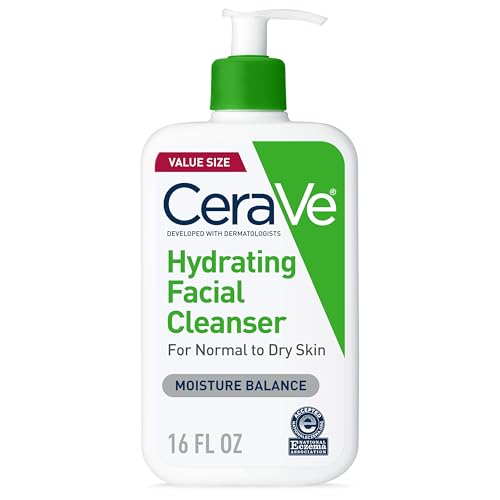
Hydrating Facial Cleanser
Dry-to-normal sensitive skin, especially anyone also using retinoids or other actives

Hydrating Facial Cleanser

CeraVe

It's formulated with three ceramides, hyaluronic acid, and a National Eczema Association seal. Dermatologists mention it most often for reactive skin. It's a genuinely non-foaming, low-irritation formula that doesn't strip the barrier.

Ceramide and hyaluronic acid formula supports the skin barrier while cleansing
Fragrance-free, non-foaming, and won't disrupt a compromised moisture barrier
Budget-friendly per ounce and widely available at drugstores
Doesn't fully dissolve heavy sunscreen or long-wear makeup on its own, so double-cleansing days may need a micellar water or oil-based first step
Best Value #2
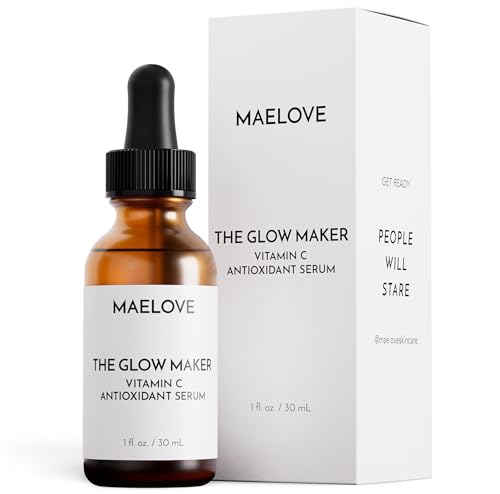
Glow Maker
Readers who want a well-formulated L-ascorbic acid serum without the prestige price tag

Glow Maker

Maelove

It leans on similar formulation logic to pricier serums: L-ascorbic acid plus vitamin E and ferulic acid. It costs a fraction of the price. That's why it's often called an affordable alternative to the prestige options.

Combines L-ascorbic acid with vitamin E and ferulic acid, echoing higher-end formulas
Opaque pump bottle helps limit light and air exposure
Noticeably cheaper per ounce than most L-ascorbic acid serums of similar formulation
The pump can dispense unevenly or feel like it needs priming, a minor but frequently mentioned annoyance
Editor's Pick #1
Moisturizing Cream
Normal to dry skin that wants a dermatologist-developed, fragrance-free daily moisturizer

CeraVe Moisturizing Cream

CeraVe

It pairs three essential ceramides with hyaluronic acid in a rich, fragrance-free base. Long-term users with dry, compromised skin consistently praise it. It's also inexpensive enough to use liberally.

Ceramide + hyaluronic acid formula supports the skin barrier
Fragrance-free and well-tolerated by sensitive skin
Large jar size makes it very cost-effective per ounce
The tub packaging means dipping fingers into the product, which isn't ideal for hygiene or portability
Editor's Pick #1
UV Clear Broad-Spectrum SPF 46
acne-prone, sensitive, or post-procedure skin that needs a dermatologist-trusted daily option

UV Clear Broad-Spectrum SPF 46

EltaMD

Dermatologists reach for EltaMD more than almost any other sunscreen. It pairs broad-spectrum zinc oxide protection with niacinamide and hyaluronic acid. The oil-free base is genuinely weightless and layers well under makeup.

Broad-spectrum SPF 46 with zinc oxide
Oil-free, non-comedogenic formula favored for acne-prone skin
Contains niacinamide and hyaluronic acid for added hydration
Pricier per ounce than most drugstore sunscreens, and the pump makes it easy to under-apply if you're not deliberate about the amount.
Editor's Pick #1
Super Volcanic Pore Clay Mask 2X
oily, pore-prone skin that wants a formula built specifically around pore congestion

Super Volcanic Pore Clay Mask 2X

innisfree

Two types of volcanic clay target sebum and blackheads. The texture isn't chalky or hard to remove like older clay formulas. It's also genuinely affordable for how often you'll reach for it.

Lightweight, non-cakey texture that spreads and rinses easily
Visibly reduces the look of congested pores after a single use
Priced low enough to use regularly without guilt
The mineral scent is noticeable and won't appeal to everyone
Editor's Pick #1
Contour Face
people who want the most clinically studied LED mask on the market and don't mind the price

Contour Face

Omnilux

Omnilux's LED technology is the same platform used in dermatology clinics. The Contour Face is its rigid, dermatologist-favorite home version, and it has more research behind it than most at-home competitors.

Extensive clinical research behind Omnilux's LED platform, more than most home devices
FDA-cleared for temporary reduction in the appearance of fine lines and wrinkles
Even, consistent light distance thanks to the rigid, hinged design
Rigid shell doesn't flex to different face shapes, there's no blue-light setting for acne, and it's one of the most expensive masks on the market

Affiliate disclosure: We may earn a commission from qualifying purchases made through links on this page, at no extra cost to you. Some links on this page are affiliate links.