

Skip to content
Facial Mists · Deep dive

When a Face Mist Helps (and When It Dries)

When a face mist genuinely helps

A face mist earns its place in a routine in a few specific moments. They all share one thing. Either the mist is followed by something that locks the moisture in. Or it's doing a job — cooling, calming, setting — that doesn't depend on hydration at all.

Right after cleansing: prepping skin before serum

Misting toned, cleansed skin before serum and moisturizer gives your other products a damp surface. That helps water-based serums, particularly hyaluronic acid ones, spread more evenly. It works better than applying them onto bone-dry skin. This is the single most reliable use case for any mist, humectant-based or not, like Mario Badescu's. It's immediately followed by products that seal the moisture in.

Mid-day, mid-flight, dry air & air conditioning: the sealing step you can't skip

Air travel, air-conditioned rooms, and dry climates all pull moisture out of skin faster than normal. A humectant mist can genuinely help here. But it's only the first half of a two-step move. Mist, then immediately press in a moisturizer, balm, or facial oil while skin is still damp. Carrying a mist onto a plane without a way to seal it in is a common mistake. It's one of the top ways people end up more dehydrated after misting, not less.

Cooling & calming sunburn with thermal spring water or hypochlorous acid

Thermal spring water mists, like Avène's or La Roche-Posay's, and hypochlorous acid sprays are genuinely useful here. A quick, fragrance-free mist can take the edge off skin that's flushed from sun, heat, or a reaction. The cooling sensation itself is calming, even before any ingredient does anything. This is a legitimate, dermatologist-supported use for sunburn, distinct from hydration.

A quick rebalance after a retinoid or acid exfoliant

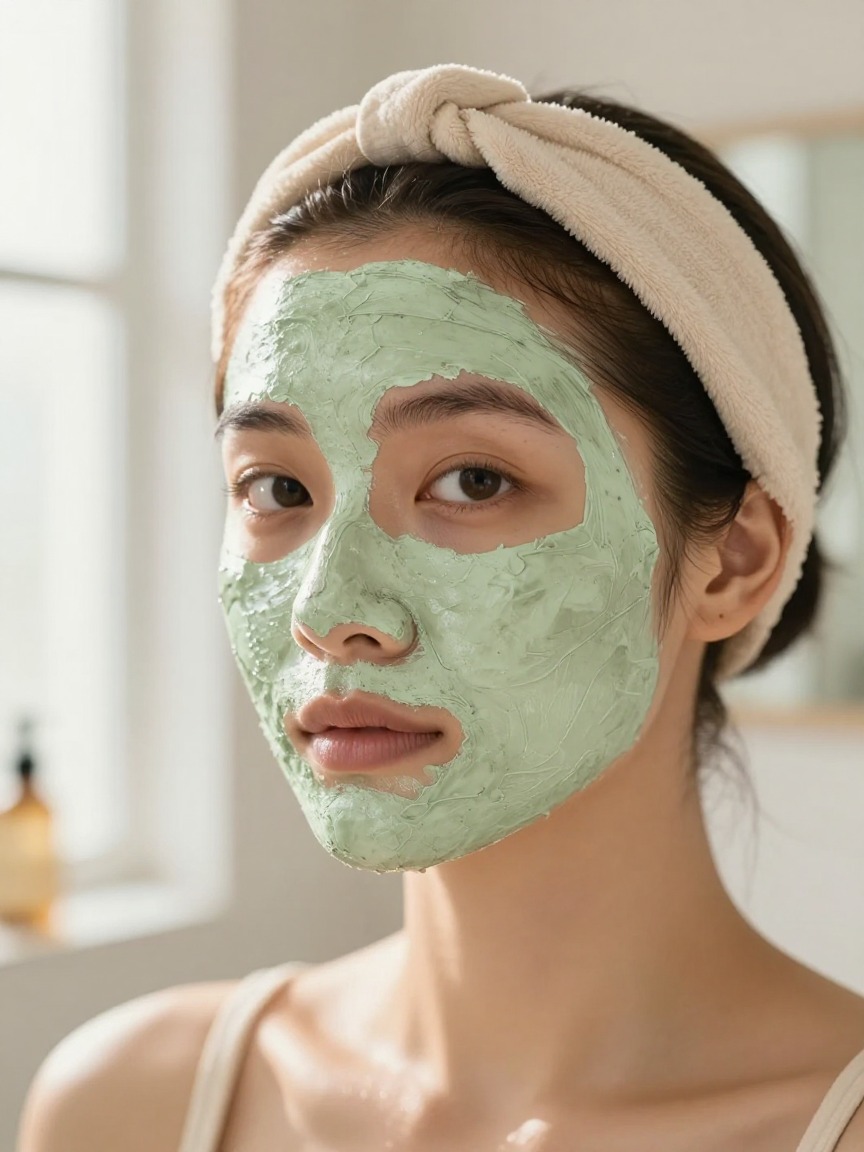
After a retinoid, an acid exfoliant, or a clay mask, skin can feel tight and slightly dehydrated. That happens even on a normal, well-tolerated routine. A humectant mist, misted on and sealed with a barrier-supporting moisturizer, can ease that tightness faster than moisturizer alone. It rehydrates the surface before the heavier product goes on. This isn't a fix for irritation from overusing an active — that calls for backing off the active, not adding a mist. It's a genuinely useful step when skin is otherwise tolerating its routine fine.

When a mist works against you

Spray-and-forget in dry air

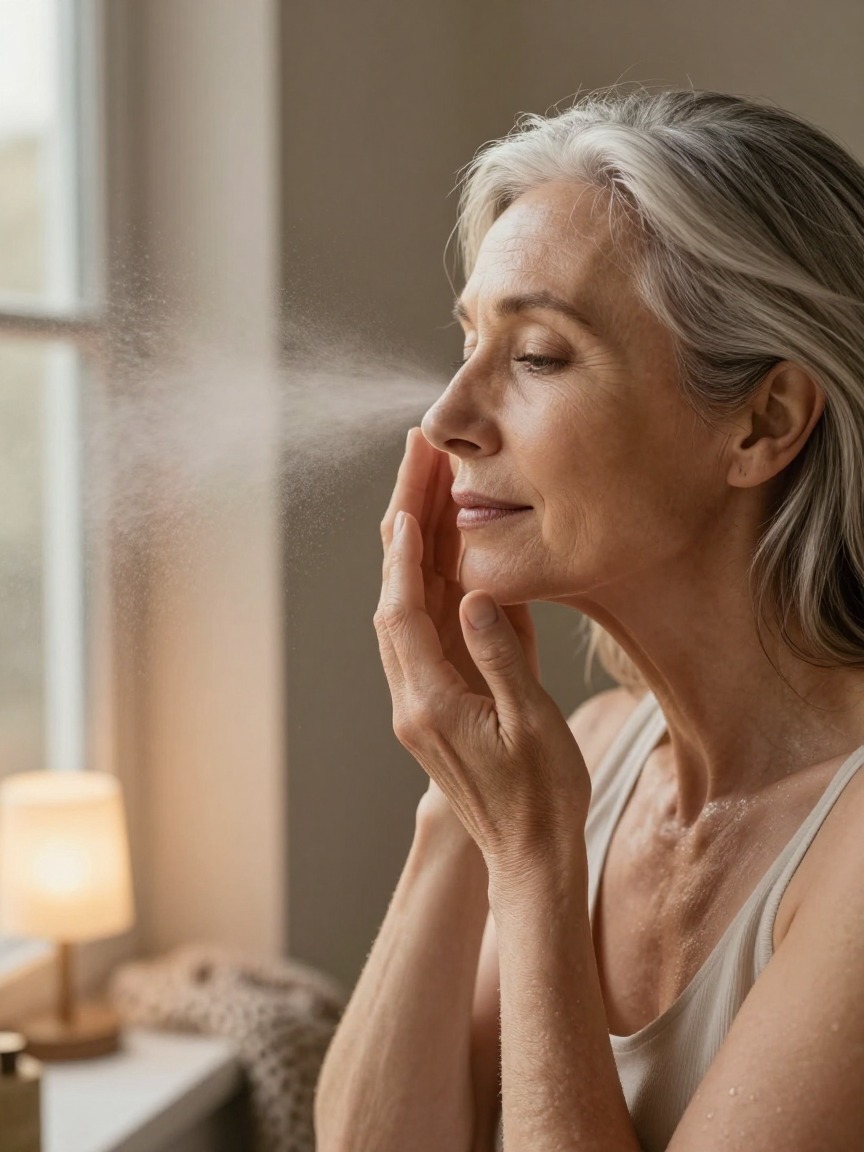
The most common misuse: misting skin, especially with a plain or thermal-water formula, then doing nothing else. In a dry room, in wind, or under air conditioning, that water evaporates within minutes. As it does, it draws some existing moisture out of the skin's surface. The result is skin that feels cool at first, then tighter and drier than before you started.

Treating a mist as your only hydration, humectant & moisturizer strategy

No mist, however well-formulated, replaces a moisturizer. Mists deliver a thin, temporary layer of water and, sometimes, humectants. Moisturizers deliver occlusive and emollient ingredients that actually slow water loss over hours. Skipping moisturizer because you mist enough during the day is a common reason chronically dry skin doesn't improve.

Misting sensitive skin or a dermatologist-treated face with the wrong formula

Fragranced botanical mists and alcohol-forward toning mists — like Caudalie's Beauty Elixir — are genuinely uncomfortable on sunburned or freshly-exfoliated skin. The same goes for actively broken-out, eczema-affected, or rosacea-affected skin. They can worsen irritation on already-sensitive skin. If your skin is already compromised, a fragrance-free thermal water or a minimal humectant mist is the safer choice. If irritation persists, that's a conversation for a dermatologist, not a different spray bottle.

The quick test: transepidermal water loss & dehydrated skin signs

If you're not sure whether a mist is helping or hurting, check in about ten minutes after using it, with nothing layered on top. Skin that feels comfortable and slightly softer is a good sign. Skin that feels tight, rough, or drier than before you sprayed is a sign of transepidermal water loss. The water evaporated faster than the formula could hold onto it, leaving dehydrated skin behind. The fix isn't a different mist. It's remembering to seal the one you already have.
You may be interested in

Popular picks from related categories, chosen with the same rubric.

Editor's Pick #1
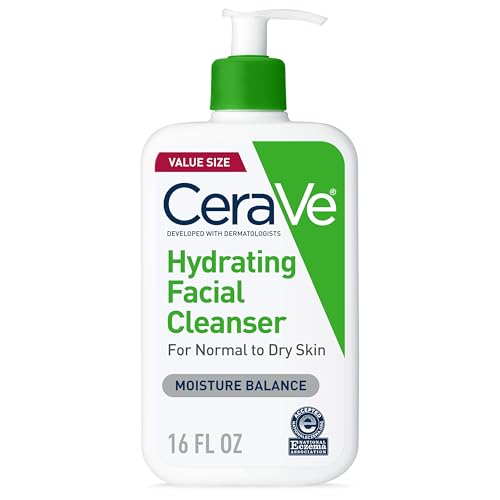
Hydrating Facial Cleanser
Dry-to-normal sensitive skin, especially anyone also using retinoids or other actives

Hydrating Facial Cleanser

CeraVe

It's formulated with three ceramides, hyaluronic acid, and a National Eczema Association seal. Dermatologists mention it most often for reactive skin. It's a genuinely non-foaming, low-irritation formula that doesn't strip the barrier.

Ceramide and hyaluronic acid formula supports the skin barrier while cleansing
Fragrance-free, non-foaming, and won't disrupt a compromised moisture barrier
Budget-friendly per ounce and widely available at drugstores
Doesn't fully dissolve heavy sunscreen or long-wear makeup on its own, so double-cleansing days may need a micellar water or oil-based first step
Best Value #2
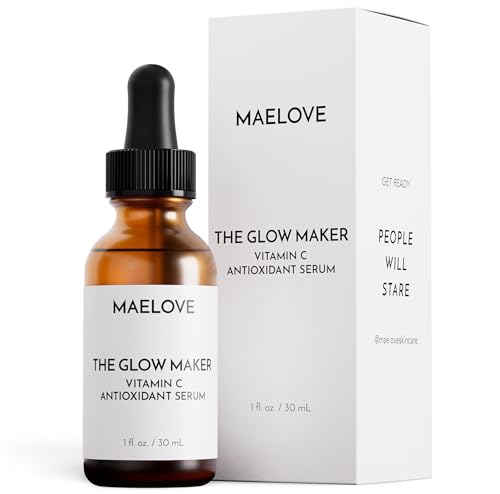
Glow Maker
Readers who want a well-formulated L-ascorbic acid serum without the prestige price tag

Glow Maker

Maelove

It leans on similar formulation logic to pricier serums: L-ascorbic acid plus vitamin E and ferulic acid. It costs a fraction of the price. That's why it's often called an affordable alternative to the prestige options.

Combines L-ascorbic acid with vitamin E and ferulic acid, echoing higher-end formulas
Opaque pump bottle helps limit light and air exposure
Noticeably cheaper per ounce than most L-ascorbic acid serums of similar formulation
The pump can dispense unevenly or feel like it needs priming, a minor but frequently mentioned annoyance
Editor's Pick #1
Moisturizing Cream
Normal to dry skin that wants a dermatologist-developed, fragrance-free daily moisturizer

CeraVe Moisturizing Cream

CeraVe

It pairs three essential ceramides with hyaluronic acid in a rich, fragrance-free base. Long-term users with dry, compromised skin consistently praise it. It's also inexpensive enough to use liberally.

Ceramide + hyaluronic acid formula supports the skin barrier
Fragrance-free and well-tolerated by sensitive skin
Large jar size makes it very cost-effective per ounce
The tub packaging means dipping fingers into the product, which isn't ideal for hygiene or portability
Editor's Pick #1
UV Clear Broad-Spectrum SPF 46
acne-prone, sensitive, or post-procedure skin that needs a dermatologist-trusted daily option

UV Clear Broad-Spectrum SPF 46

EltaMD

Dermatologists reach for EltaMD more than almost any other sunscreen. It pairs broad-spectrum zinc oxide protection with niacinamide and hyaluronic acid. The oil-free base is genuinely weightless and layers well under makeup.

Broad-spectrum SPF 46 with zinc oxide
Oil-free, non-comedogenic formula favored for acne-prone skin
Contains niacinamide and hyaluronic acid for added hydration
Pricier per ounce than most drugstore sunscreens, and the pump makes it easy to under-apply if you're not deliberate about the amount.
Editor's Pick #1
Super Volcanic Pore Clay Mask 2X
oily, pore-prone skin that wants a formula built specifically around pore congestion

Super Volcanic Pore Clay Mask 2X

innisfree

Two types of volcanic clay target sebum and blackheads. The texture isn't chalky or hard to remove like older clay formulas. It's also genuinely affordable for how often you'll reach for it.

Lightweight, non-cakey texture that spreads and rinses easily
Visibly reduces the look of congested pores after a single use
Priced low enough to use regularly without guilt
The mineral scent is noticeable and won't appeal to everyone
Editor's Pick #1
Contour Face
people who want the most clinically studied LED mask on the market and don't mind the price

Contour Face

Omnilux

Omnilux's LED technology is the same platform used in dermatology clinics. The Contour Face is its rigid, dermatologist-favorite home version, and it has more research behind it than most at-home competitors.

Extensive clinical research behind Omnilux's LED platform, more than most home devices
FDA-cleared for temporary reduction in the appearance of fine lines and wrinkles
Even, consistent light distance thanks to the rigid, hinged design
Rigid shell doesn't flex to different face shapes, there's no blue-light setting for acne, and it's one of the most expensive masks on the market

Affiliate disclosure: We may earn a commission from qualifying purchases made through links on this page, at no extra cost to you. Some links on this page are affiliate links.