
Skip to content
LED Face Masks · Deep dive

How to Use an LED Mask Safely

How to Use an LED Mask Safely: Eye Protection First

LED face masks are a low-risk category of skincare device. They don't rely on heat, UV light, or exfoliation. But low-risk isn't the same as no precautions needed. A few habits make the difference between a safe, effective routine and one that causes irritation.

Photosensitivity: Retinoids, Exfoliating Acids & Isotretinoin

Certain ingredients and medications increase photosensitivity. Skin becomes more reactive to light exposure of any kind, including LED. This includes retinoids and some exfoliating acids. It also includes certain antibiotics like doxycycline, and isotretinoin, commonly known by the former brand name Accutane. If you're using any of these, or a photosensitizing medication for a non-skin condition, talk to a doctor or dermatologist before starting regular LED sessions. Research on light therapy combined with these products is still limited.

Session Length: Start Slow and Watch for Irritation or Redness

LED therapy is gentle for most people, but everyone's skin responds differently. Start with a shorter session length than the maximum the manufacturer allows. Pay attention to how your skin looks and feels afterward. Redness that fades within an hour is generally expected. Redness, warmth, or irritation that lingers or worsens with repeated use is a sign to stop and reassess. See a dermatologist if it doesn't resolve.

Broken Skin, Cold Sores, Injectables & Chemical Peels: When to Wait

Don't use an LED mask over open wounds, broken skin, active cold sores, or sunburned skin. The same goes for areas recently treated with injectables, chemical peels, or laser procedures. Wait until the provider who performed that treatment confirms it's safe to resume. Healing skin can respond unpredictably to any additional intervention, light-based or otherwise.

Contact Lenses, Patch Test & Manufacturer Instructions for First-Time Use

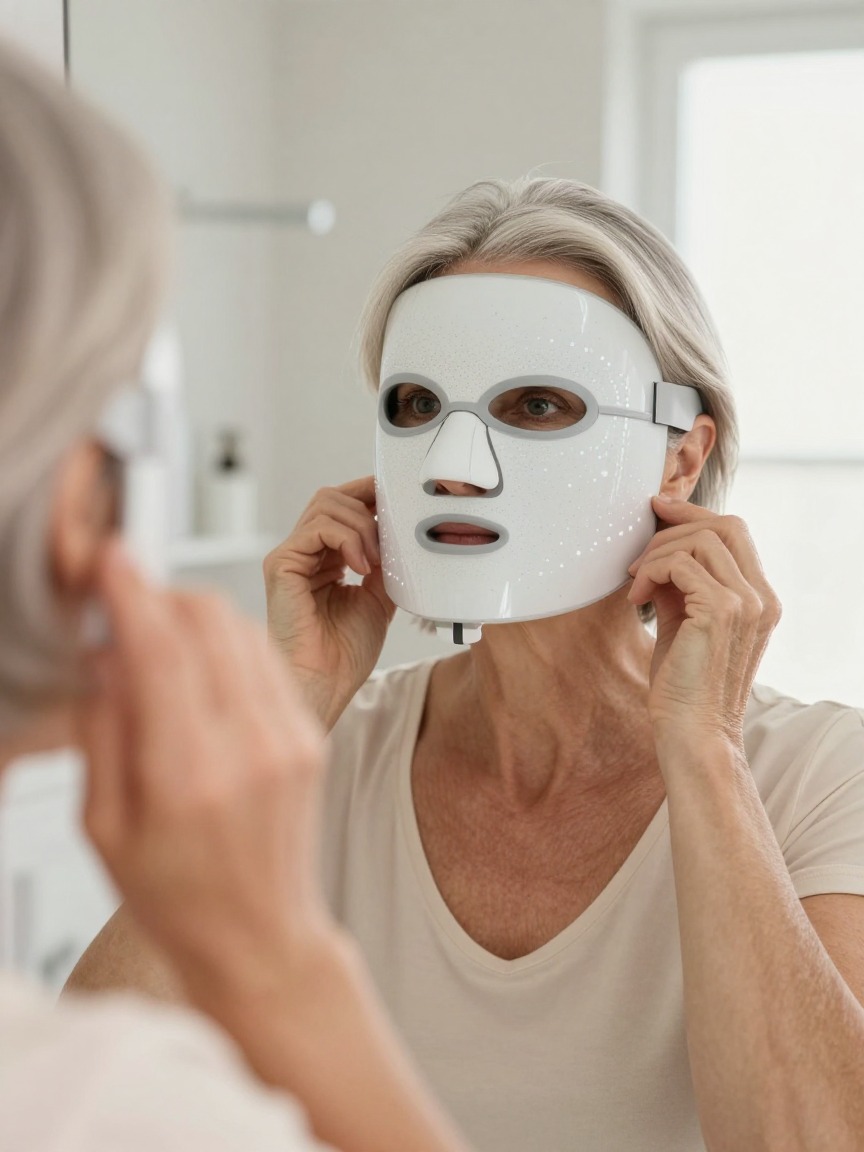
Most LED masks include built-in eye protection. This might be opaque padding, cutouts, or instructions to keep eyes closed for the full session. Rigid devices like the Omnilux Contour Face and flexible ones handle this differently, so check your model's design. Follow whatever the manufacturer specifies. Never modify a mask to stare directly into the light array. If you wear contact lenses, check the manufacturer instructions first, since brands like CurrentBody Skin and Qure Skincare recommend removing them during treatment for their flexible silicone masks. Patch test if you're prone to reactions. Read the full manual before your first session rather than skimming it.

When to Stop and See a Dermatologist

An LED mask isn't equipped to diagnose anything. It shouldn't be used as a wait-and-see strategy for a skin concern that's getting worse. See a dermatologist if you notice a new or changing mole, a spreading rash, painful or cystic breakouts, or any reaction that doesn't improve within a day or two. Don't just keep adjusting the settings yourself. The same goes for a pre-existing condition, like active eczema or rosacea, where a professional should weigh in first, whether you're using a rigid device like Omnilux or a flexible one.

Pregnancy, Skin Cancer & Other Conditions to Check First

There isn't robust research on LED mask use during pregnancy specifically. Pregnant people are typically excluded from this kind of device research. If you're pregnant, breastfeeding, have a history of skin cancer, take medication for a seizure disorder, or have any light-sensitivity condition, check with your doctor before using an LED mask. Don't assume it's automatically safe just because it's non-invasive.

Cleaning Instructions & Sensitive Skin Care

Wipe the mask down after each use, following the manufacturer's cleaning instructions, since it sits directly against skin repeatedly. Stick to the recommended session length and frequency, even for quick, low-commitment devices like Dr. Dennis Gross Skincare's three-minute mask. More time doesn't speed up results. Overuse hasn't been shown to accelerate benefits; it just adds unnecessary light exposure. Sensitive skin especially benefits from starting conservative and building up gradually. Keep a simple log of when you use the mask and any changes you notice, since it's easy to lose track of consistency over a multi-week routine.
You may be interested in

Popular picks from related categories, chosen with the same rubric.

Editor's Pick #1
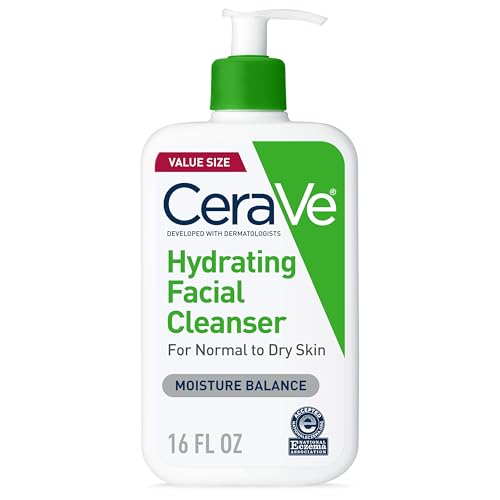
Hydrating Facial Cleanser
Dry-to-normal sensitive skin, especially anyone also using retinoids or other actives

Hydrating Facial Cleanser

CeraVe

It's formulated with three ceramides, hyaluronic acid, and a National Eczema Association seal. Dermatologists mention it most often for reactive skin. It's a genuinely non-foaming, low-irritation formula that doesn't strip the barrier.

Ceramide and hyaluronic acid formula supports the skin barrier while cleansing
Fragrance-free, non-foaming, and won't disrupt a compromised moisture barrier
Budget-friendly per ounce and widely available at drugstores
Doesn't fully dissolve heavy sunscreen or long-wear makeup on its own, so double-cleansing days may need a micellar water or oil-based first step
Best Value #2
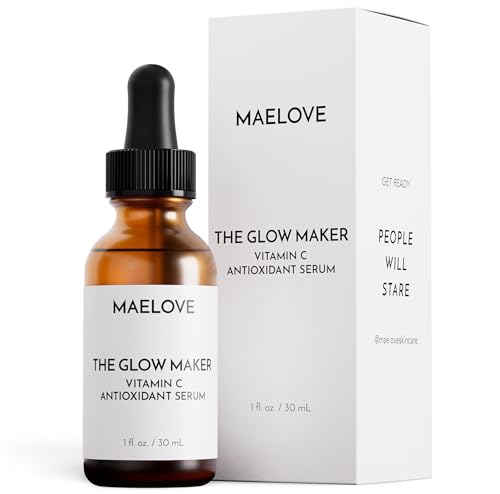
Glow Maker
Readers who want a well-formulated L-ascorbic acid serum without the prestige price tag

Glow Maker

Maelove

It leans on similar formulation logic to pricier serums: L-ascorbic acid plus vitamin E and ferulic acid. It costs a fraction of the price. That's why it's often called an affordable alternative to the prestige options.

Combines L-ascorbic acid with vitamin E and ferulic acid, echoing higher-end formulas
Opaque pump bottle helps limit light and air exposure
Noticeably cheaper per ounce than most L-ascorbic acid serums of similar formulation
The pump can dispense unevenly or feel like it needs priming, a minor but frequently mentioned annoyance
Editor's Pick #1
Moisturizing Cream
Normal to dry skin that wants a dermatologist-developed, fragrance-free daily moisturizer

CeraVe Moisturizing Cream

CeraVe

It pairs three essential ceramides with hyaluronic acid in a rich, fragrance-free base. Long-term users with dry, compromised skin consistently praise it. It's also inexpensive enough to use liberally.

Ceramide + hyaluronic acid formula supports the skin barrier
Fragrance-free and well-tolerated by sensitive skin
Large jar size makes it very cost-effective per ounce
The tub packaging means dipping fingers into the product, which isn't ideal for hygiene or portability
Editor's Pick #1
UV Clear Broad-Spectrum SPF 46
acne-prone, sensitive, or post-procedure skin that needs a dermatologist-trusted daily option

UV Clear Broad-Spectrum SPF 46

EltaMD

Dermatologists reach for EltaMD more than almost any other sunscreen. It pairs broad-spectrum zinc oxide protection with niacinamide and hyaluronic acid. The oil-free base is genuinely weightless and layers well under makeup.

Broad-spectrum SPF 46 with zinc oxide
Oil-free, non-comedogenic formula favored for acne-prone skin
Contains niacinamide and hyaluronic acid for added hydration
Pricier per ounce than most drugstore sunscreens, and the pump makes it easy to under-apply if you're not deliberate about the amount.
Editor's Pick #1
Super Volcanic Pore Clay Mask 2X
oily, pore-prone skin that wants a formula built specifically around pore congestion

Super Volcanic Pore Clay Mask 2X

innisfree

Two types of volcanic clay target sebum and blackheads. The texture isn't chalky or hard to remove like older clay formulas. It's also genuinely affordable for how often you'll reach for it.

Lightweight, non-cakey texture that spreads and rinses easily
Visibly reduces the look of congested pores after a single use
Priced low enough to use regularly without guilt
The mineral scent is noticeable and won't appeal to everyone
Editor's Pick #1
Skin Perfecting 2% BHA Liquid Exfoliant
Anyone dealing with clogged pores, blackheads, or rough, bumpy texture who wants an evidence-backed exfoliating toner

2% BHA Liquid Exfoliant

Paula's Choice

It's built around a well-studied 2% salicylic acid concentration at an effective pH. The base is fragrance-free and alcohol-free. That combination is why it's stayed a favorite among ingredient-focused shoppers for years, rather than fading as a trend.

2% salicylic acid at a pH that actually works
Fragrance-free and alcohol-free formula
Noticeably improves texture and blackheads with consistent use
The active concentration can cause redness or flaking in the first couple of weeks, so it's not the easiest starting point for very reactive or rosacea-prone skin

Affiliate disclosure: We may earn a commission from qualifying purchases made through links on this page, at no extra cost to you. Some links on this page are affiliate links.