
Do LED Face Masks Actually Work?
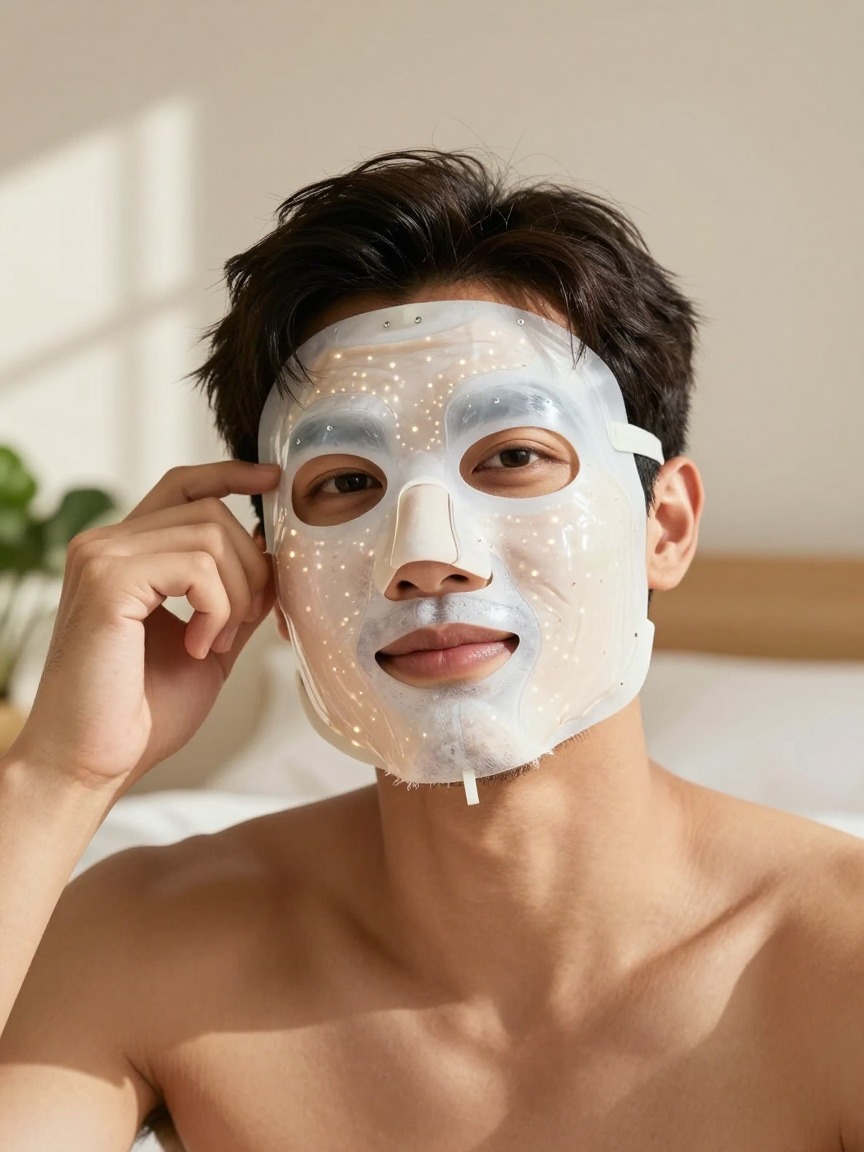
LED face masks actually work, but they are slow and modest tools. Real research backs certain wavelengths of light for skin. Red light can support collagen and a smoother look over time. Blue light can help reduce the bacteria linked to acne. These face masks act gradually, not in a single glow-up session. Results build over weeks of steady, repeated use. Think support role, not a one-night miracle. Wavelength and consistency matter more than brand hype. Steady weekly sessions drive whatever benefit you actually see.
Consistency is the whole game with LED face masks. A few sessions a week, most weeks, is the pattern that helps. Skipping for a month resets much of your progress. Each session usually runs about ten minutes, hands-free. That short habit is easy to keep while you relax. Keep the mask close to clean, bare skin for good light exposure. Patience and routine matter far more than any single use. Ten quiet minutes fits easily into an evening. Pair the mask with a podcast to keep the habit going.
Set honest expectations before you invest in a device. Face masks with LED light offer subtle, cumulative changes. They will not replace a retinoid, sunscreen, or a dermatologist. People with certain conditions or medications should check first. Some drugs make skin more sensitive to light exposure. If you take any, ask a professional before starting. Used wisely, LED is a calm, low-effort add-on. Check the maker's guidance if you take any medication. Some drugs raise your skin's sensitivity to bright light.
Red Light and Collagen Support From LED Masks
Red light is the wavelength most tied to collagen support. It gently prompts skin to firm and smooth over time. Blue light targets acne bacteria instead of collagen. Many masks now combine both colors in one device. Match the light to your main goal before buying. Choose red light for lines, tone, and collagen concerns. Choose blue or combination light if acne is your focus. Combination masks cover more than one concern at once. They mix red light with blue light for versatility.
Eye safety deserves a quick mention with LED. Quality face masks include shielding or ask you to close your eyes. Never stare into bright lights during a session. Follow the timing the maker recommends each time. Do not overuse the mask hoping for faster results. More sessions than advised will not speed collagen. Steady, sensible use is the safe path forward. Never look directly into the bright light source. Close your eyes or use the shielding the maker provides.
Treat an LED mask as a supplement to good basics. Sunscreen, gentle cleansing, and moisture still do the heavy lifting. Use the mask on clean skin for clearer light exposure. Give red light and collagen at least eight to twelve weeks. Track changes with photos in steady, even lighting. If LED face masks actually work for you, gains appear slowly. Keep the habit going, since stopping fades the benefit. Photos in steady lighting reveal slow, real progress. Day-to-day changes are simply too small to notice.
- Omnilux Contour Face is a well-known flexible red-light mask.
- CurrentBody Skin LED Light Therapy Mask is a popular multi-wavelength option.
- Dr. Dennis Gross Skincare DRx SpectraLite FaceWare Pro blends red and blue light.
- Therabody TheraFace Mask adds light with extra comfort features.
- Qure Skincare Qure LED Mask and Shark Beauty CryoGlow offer more LED choices.
Affiliate disclosure: We may earn a commission from qualifying purchases made through links on this page, at no extra cost to you. Some links on this page are affiliate links.
Recommended led face masks
Editor-picked products from our guides.

Contour Face
Omnilux
Omnilux's LED technology is the same platform used in dermatology clinics. The Contour Face is its rigid, dermatologist-favorite home version, and it has more research behind it than most at-home competitors.
- Extensive clinical research behind Omnilux's LED platform, more than most home devices
- FDA-cleared for temporary reduction in the appearance of fine lines and wrinkles
- Even, consistent light distance thanks to the rigid, hinged design
- Rigid shell doesn't flex to different face shapes, there's no blue-light setting for acne, and it's one of the most expensive masks on the market

Skin LED Light Therapy Mask
CurrentBody Skin
CurrentBody Skin packs one of the highest LED counts of any flexible silicone mask. It aims red and near-infrared light squarely at collagen support and visible firmness.
- High LED density for edge-to-edge, full-face coverage
- FDA-cleared, flexible silicone design that molds closer to the face than rigid visors
- Backed by the brand's own multi-week before-and-after testing
- No blue-light mode, so it won't help with active breakouts, and it's priced at the higher end of this category

TheraFace Mask
Therabody
Therabody built the TheraFace Mask around its TheraFace Pro ecosystem. It offers red, red-plus-near-infrared, and blue light combinations, plus companion facial tools that single-purpose masks don't offer.
- Multiple LED combination settings — red, red plus near-infrared, and blue — in one mask
- FSA/HSA eligible, which softens the out-of-pocket cost for many buyers
- Pairs with the Therabody app for guided sessions and progress tracking
- The controller puck and cord add bulk compared to fully cordless masks, and getting full functionality leans on having the app