



How often should you use an LED mask?
Most brands recommend three to five weekly sessions at first. This early phase runs for the first few weeks of use. After that, two or three weekly sessions is a common maintenance target. So the honest answer to how often depends on your stage. You go more often at the start, then ease back, once you know how these LED devices work. Consistency matters far more than any single long session. A packed month of use beats one heroic marathon sitting. Build the habit first and the rest follows naturally. Marking sessions on a calendar keeps you honest about how often you go. Set the mask out where you will see it as a daily reminder. A visible cue makes the weekly habit far easier to keep. Missing one session now and then will not ruin your progress.
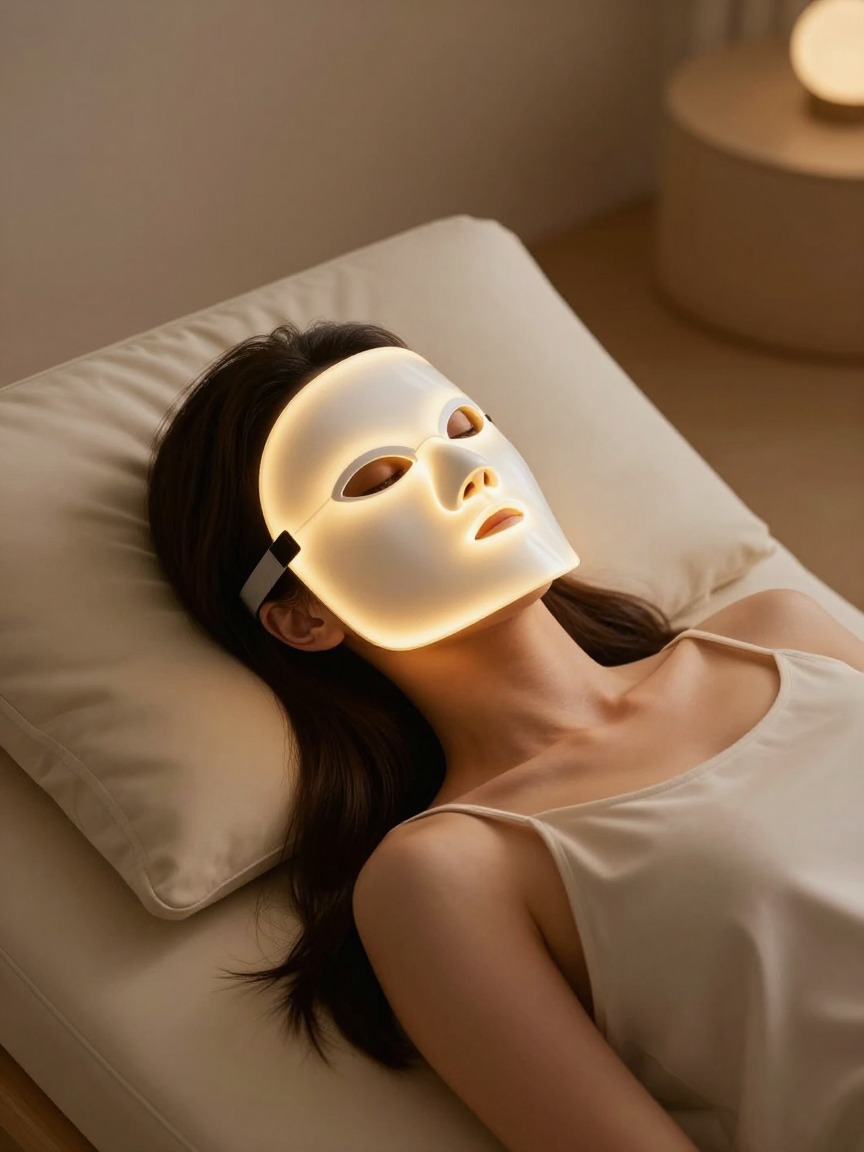
An LED mask is an at-home device, not a clinic machine. At-home units are generally lower-powered than professional panels. That is exactly why regular weekly sessions matter so much. You are making up for gentler output with steady repetition. Deciding how often you can realistically commit is the real key to results. Pick a time of day you will not skip. Many people run their at-home device while relaxing after dinner. A comfortable habit is one you will actually keep. Missed weeks slow your progress more than short sessions do.
Session length is set by the device, so do not stretch it. Most masks run for around ten minutes per session. Longer is not automatically better with LED light therapy. Clean, dry skin helps the light reach you clearly. Apply serums after the session, not before, unless your manual says otherwise. Remove makeup and sunscreen first so nothing blocks the light. A quick cleanse is all the prep most masks need. Sit still so the light stays close to your skin.
Weekly sessions and steady LED light therapy at home
Different masks list slightly different routines for how often to use them. Follow your own manual rather than copying a friend, since using each mask correctly and safely matters. The Omnilux Contour Face is a flexible silicone at-home device with a set schedule. The CurrentBody Skin LED Light Therapy Mask guides its own weekly sessions. The Dr. Dennis Gross Skincare DRx SpectraLite FaceWare Pro is another popular LED mask. Each brand tunes its timing to its own output level. Trust the printed schedule over any social media routine.
Results from LED light therapy build slowly and quietly over time. You will not see a dramatic change after one use. Give any LED mask several weeks of consistent weekly sessions before judging it. Skipping days is the most common reason people feel underwhelmed. Steady LED light therapy rewards patience more than intensity.
- Starting out: three to five weekly sessions for the first weeks.
- Maintenance: two or three weekly sessions after that.
- Keep each LED mask session to the length in your manual.
- Treat the at-home device as gentle, cumulative LED light therapy.
- Cleanse first so nothing blocks the light from your skin.
Other options include the Therabody TheraFace Mask, the Qure Skincare LED Mask, and the Shark Beauty CryoGlow. Whichever of the top-rated LED masks you pick, the pattern for how often stays similar. Build a habit of regular weekly sessions and stick with it. Track your start date so you can judge progress fairly. If you have a skin condition or take light-sensitive medication, check with a dermatologist before starting. Comparing simple photos every few weeks helps you stay objective. Slow, steady change is the realistic goal, so rushing will not speed it up.
Affiliate disclosure: We may earn a commission from qualifying purchases made through links on this page, at no extra cost to you. Some links on this page are affiliate links.
Recommended led face masks
Editor-picked products from our guides.

Contour Face
Omnilux
Omnilux's LED technology is the same platform used in dermatology clinics. The Contour Face is its rigid, dermatologist-favorite home version, and it has more research behind it than most at-home competitors.
- Extensive clinical research behind Omnilux's LED platform, more than most home devices
- FDA-cleared for temporary reduction in the appearance of fine lines and wrinkles
- Even, consistent light distance thanks to the rigid, hinged design
- Rigid shell doesn't flex to different face shapes, there's no blue-light setting for acne, and it's one of the most expensive masks on the market

Skin LED Light Therapy Mask
CurrentBody Skin
CurrentBody Skin packs one of the highest LED counts of any flexible silicone mask. It aims red and near-infrared light squarely at collagen support and visible firmness.
- High LED density for edge-to-edge, full-face coverage
- FDA-cleared, flexible silicone design that molds closer to the face than rigid visors
- Backed by the brand's own multi-week before-and-after testing
- No blue-light mode, so it won't help with active breakouts, and it's priced at the higher end of this category

TheraFace Mask
Therabody
Therabody built the TheraFace Mask around its TheraFace Pro ecosystem. It offers red, red-plus-near-infrared, and blue light combinations, plus companion facial tools that single-purpose masks don't offer.
- Multiple LED combination settings — red, red plus near-infrared, and blue — in one mask
- FSA/HSA eligible, which softens the out-of-pocket cost for many buyers
- Pairs with the Therabody app for guided sessions and progress tracking
- The controller puck and cord add bulk compared to fully cordless masks, and getting full functionality leans on having the app