

The Real Difference Between AHA and BHA
AHA and BHA are both chemical exfoliants, yet they work in very different ways. The main difference between AHA and BHA comes down to what each one dissolves in. AHA is water-soluble. It includes glycolic acid and lactic acid. It works on the skin's surface to loosen dull, dead cells. That makes it a good match for rough texture, flaky patches, and a tired-looking complexion. If your main goal is smoother, brighter skin, an AHA is a sensible place to start. It is also the type most people reach for when they want a fresh, even glow.
BHA is oil-soluble, and in skincare it almost always means salicylic acid. Because it mixes with oil, it moves past surface sebum and into the pore lining. This is where the difference between AHA and BHA really shows. BHA can reach blackheads and clogged pores that a surface acid simply cannot. That is why it suits oily, congested skin so well. It also has mild soothing properties, which can help skin that breaks out often. Many people with shine and visible pores find BHA the more useful of the two.
Both types are easy to test at a low price. The Ordinary sells an affordable Glycolic Acid 7% Toning Solution and a gentler Lactic Acid 10% + HA. For BHA, the Paula's Choice Skin Perfecting 2% BHA Liquid Exfoliant is a long-time favorite. The COSRX AHA/BHA Clarifying Treatment Toner blends both acids in one mild formula. Whichever you try, patch test a new acid first. Introduce it slowly so your skin has time to adjust. Rushing straight to daily use is the fastest way to end up irritated.
How Glycolic Acid and Salicylic Acid Suit Oily Skin
Glycolic acid is one of the strongest and most studied AHAs. It brightens, smooths, and helps soften the look of uneven tone. It can tingle on sensitive skin, though. Lactic acid is a milder AHA if glycolic acid feels too harsh for you. Use either one at night, since acids can make skin more sensitive to sunlight. Starting once or twice a week is plenty while your skin adapts to the exfoliation. There is no rush, because gentle and steady wins with acids.
Salicylic acid is the classic choice for oily skin and frequent breakouts. It helps calm shine and keeps pores clearer over time. If your oily skin is also acne-prone, salicylic acid is usually the smarter nightly pick. Good Molecules and Sunday Riley both make well-loved acid treatments worth exploring. The Good Molecules Overnight Exfoliating Treatment and Sunday Riley Good Genes are two examples. Use one active per night rather than piling several on at once. Overlapping strong products is what leads to redness and peeling for most people.
- Use glycolic acid or lactic acid on nights when skin looks dull.
- Use salicylic acid on nights when oily skin feels congested.
- Skip both acids on nights you apply a retinoid.
- Wash your hands first so you do not spread bacteria.
- Begin with two nights a week, then build up slowly.
This simple rhythm lets oily skin get both surface renewal and deeper pore care. Whichever path you choose, always apply acids to clean, dry skin. Follow with a moisturizer to protect the skin barrier. Never skip sunscreen the next morning, because freshly exfoliated skin burns more easily. Consistency, not strength, is what fades dullness and keeps oily skin looking clear. Give any new routine a few weeks before you judge the results. If skin ever feels raw or stings, scale back and let it recover.
Affiliate disclosure: We may earn a commission from qualifying purchases made through links on this page, at no extra cost to you. Some links on this page are affiliate links.
Recommended aha & bha exfoliating serums
Editor-picked products from our guides.

Skin Perfecting 2% BHA Liquid Exfoliant
Paula's Choice
This is one of the most widely referenced BHA leave-ons on the market. It has a stable pH. The thin liquid layers under moisturizer without pilling.
- Salicylic acid formula reaches inside the pore, not just the surface
- Thin, fast-absorbing liquid layers easily under other products
- Fragrance-free and low on other common irritants
- The liquid can feel slightly tacky for a minute or two while it dries, which some people mistake for leftover residue

Glycolic Acid 7% Toning Solution
The Ordinary
A straightforward 7% glycolic toning solution at a fraction of the cost of comparable formulas. It's aimed at people who already tolerate AHAs reasonably well.
- Noticeably affordable for a 7% glycolic acid concentration
- Larger bottle size than most competitors at this price
- Simple routine step - sweep on with a cotton pad after cleansing
- Contains alcohol denat, which can be drying or irritating for people with a sensitive or compromised skin barrier
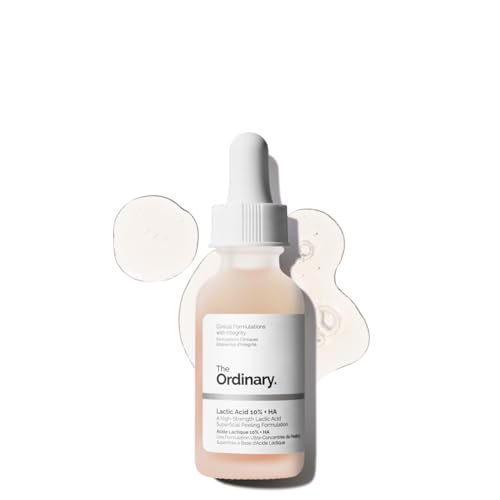
Lactic Acid 10% + HA
The Ordinary
Lactic acid's larger molecule size makes it one of the milder AHAs. The added hyaluronic acid helps offset some of the dryness that comes with early exfoliation.
- Lactic acid is generally better tolerated than glycolic acid for first-time users
- Hyaluronic acid in the formula helps offset dryness
- Budget-friendly price point
- Despite the gentler reputation of lactic acid, 10% can still sting on first use for reactive skin - patch test before applying to the full face