


Skip to content
AHA & BHA Exfoliating Serums · Deep dive

How Often to Use Chemical Exfoliants

How often to use chemical exfoliants without irritation

How often is the question that trips up more people than which acid to buy in the first place. Overdo the frequency and even a gentle product can leave skin red, tight, and reactive. Underdo it and an effective product won't show much of a result. There's no single right number for everyone. But there is a sensible way to find your own.

Start slower than you think: glycolic acid, salicylic acid & lactic acid

First-time users of a leave-on chemical exfoliant should start slow. Two to three nights a week is a reasonable starting point. This applies to glycolic acid, salicylic acid, and lactic acid alike, regardless of label claims about daily use. Apply at night, on cleansed and dry skin. Wait a few minutes before layering on moisturizer. Watch the next 24 to 48 hours for tightness, flaking, or redness beyond a brief tingle. If skin looks and feels normal, continue at that frequency for a couple of weeks before increasing.

Building tolerance for sensitive skin without a compromised barrier

Skin builds tolerance to exfoliating acids over three to six weeks of consistent, moderate use. Someone who starts at two nights a week, with no irritation for two to three weeks, can typically move to three or four nights. From there, nightly use is an option if skin keeps tolerating it well. Increase gradually - don't jump from twice a week to nightly. A rushed increase is what tends to compromise the skin barrier. Nightly use isn't the goal for everyone. Plenty of people, especially those with sensitive skin, get all the benefit they want at three or four nights a week indefinitely.

Redness, flaking & breakouts: signs you're over-exfoliated

  • Redness or a tight, stretched feeling that lasts beyond the first few minutes after application
  • Visible flaking in patches, especially around the nose, mouth, or between the brows
  • Breakouts that seem to be getting more frequent rather than less, several weeks into regular use
  • Skin that stings when other, previously well-tolerated products - like a plain moisturizer - are applied afterward, a sign the skin barrier is compromised

Any of these means you're over-exfoliated. Scale back to a lower frequency. Skip a few nights entirely to let skin recover, then reintroduce more slowly. Don't switch to a stronger product to push through - that tends to make things worse.

PHA & gluconolactone vs glycolic acid & salicylic acid: does frequency change?

Broadly, yes. Gentler formulations allow more frequent use. PHAs like gluconolactone, and lower-percentage lactic acid, are often tolerated close to nightly. That's true even for people whose skin can't handle a glycolic acid or salicylic acid product at the same frequency. A high-percentage glycolic acid toning solution, or a well-formulated 2% BHA leave-on, is more often used three to four nights a week. That's true even for people with resilient skin, simply because the active concentration does more work per application.

Retinoid nights, overnight treatments & sunscreen: what else affects frequency

  • What else is in the routine matters. Retinoids, other acids, and physical scrubs all add to the total exfoliation load. Using an acid serum on the same nights as a retinoid - or alternating night to night - generally works better than combining several exfoliating steps at once, including overnight leave-on treatments.
  • Season and environment: skin often tolerates less frequent use in winter or dry climates, when the barrier is already under more stress, than in humid conditions.
  • Sun exposure: exfoliating acids increase sun sensitivity, so daily sunscreen matters regardless of how often the acid itself is used. Cutting back frequency doesn't remove the need for SPF the following morning.

When moderate frequency isn't working: talk to a dermatologist

If a consistent, moderate frequency isn't giving results after six to eight weeks, see a dermatologist. Don't keep solving it with more trial and error at home. The same goes for irritation that keeps recurring, no matter how much you reduce frequency - especially for sensitive skin or a diagnosed skin condition. Well-reviewed options at multiple price points come from brands like The Ordinary, Paula's Choice, COSRX, Good Molecules, and Sunday Riley.
You may be interested in

Popular picks from related categories, chosen with the same rubric.

Editor's Pick #1
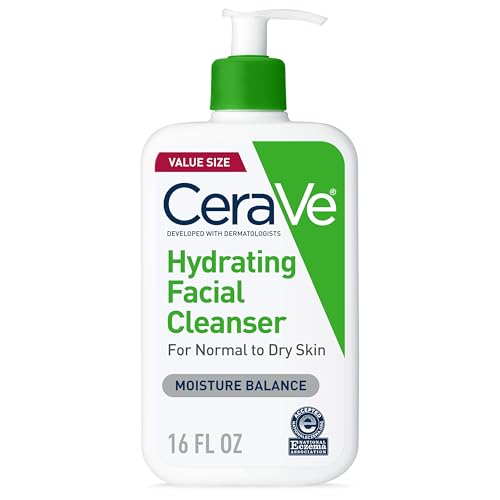
Hydrating Facial Cleanser
Dry-to-normal sensitive skin, especially anyone also using retinoids or other actives

Hydrating Facial Cleanser

CeraVe

It's formulated with three ceramides, hyaluronic acid, and a National Eczema Association seal. Dermatologists mention it most often for reactive skin. It's a genuinely non-foaming, low-irritation formula that doesn't strip the barrier.

Ceramide and hyaluronic acid formula supports the skin barrier while cleansing
Fragrance-free, non-foaming, and won't disrupt a compromised moisture barrier
Budget-friendly per ounce and widely available at drugstores
Doesn't fully dissolve heavy sunscreen or long-wear makeup on its own, so double-cleansing days may need a micellar water or oil-based first step
Editor's Pick #1
Moisturizing Cream
Normal to dry skin that wants a dermatologist-developed, fragrance-free daily moisturizer

CeraVe Moisturizing Cream

CeraVe

It pairs three essential ceramides with hyaluronic acid in a rich, fragrance-free base. Long-term users with dry, compromised skin consistently praise it. It's also inexpensive enough to use liberally.

Ceramide + hyaluronic acid formula supports the skin barrier
Fragrance-free and well-tolerated by sensitive skin
Large jar size makes it very cost-effective per ounce
The tub packaging means dipping fingers into the product, which isn't ideal for hygiene or portability
Editor's Pick #1
UV Clear Broad-Spectrum SPF 46
acne-prone, sensitive, or post-procedure skin that needs a dermatologist-trusted daily option

UV Clear Broad-Spectrum SPF 46

EltaMD

Dermatologists reach for EltaMD more than almost any other sunscreen. It pairs broad-spectrum zinc oxide protection with niacinamide and hyaluronic acid. The oil-free base is genuinely weightless and layers well under makeup.

Broad-spectrum SPF 46 with zinc oxide
Oil-free, non-comedogenic formula favored for acne-prone skin
Contains niacinamide and hyaluronic acid for added hydration
Pricier per ounce than most drugstore sunscreens, and the pump makes it easy to under-apply if you're not deliberate about the amount.
Editor's Pick #1
Super Volcanic Pore Clay Mask 2X
oily, pore-prone skin that wants a formula built specifically around pore congestion

Super Volcanic Pore Clay Mask 2X

innisfree

Two types of volcanic clay target sebum and blackheads. The texture isn't chalky or hard to remove like older clay formulas. It's also genuinely affordable for how often you'll reach for it.

Lightweight, non-cakey texture that spreads and rinses easily
Visibly reduces the look of congested pores after a single use
Priced low enough to use regularly without guilt
The mineral scent is noticeable and won't appeal to everyone
Editor's Pick #1
Skin Perfecting 2% BHA Liquid Exfoliant
Anyone dealing with clogged pores, blackheads, or rough, bumpy texture who wants an evidence-backed exfoliating toner

2% BHA Liquid Exfoliant

Paula's Choice

It's built around a well-studied 2% salicylic acid concentration at an effective pH. The base is fragrance-free and alcohol-free. That combination is why it's stayed a favorite among ingredient-focused shoppers for years, rather than fading as a trend.

2% salicylic acid at a pH that actually works
Fragrance-free and alcohol-free formula
Noticeably improves texture and blackheads with consistent use
The active concentration can cause redness or flaking in the first couple of weeks, so it's not the easiest starting point for very reactive or rosacea-prone skin
Editor's Pick #1
Contour Face
people who want the most clinically studied LED mask on the market and don't mind the price

Contour Face

Omnilux

Omnilux's LED technology is the same platform used in dermatology clinics. The Contour Face is its rigid, dermatologist-favorite home version, and it has more research behind it than most at-home competitors.

Extensive clinical research behind Omnilux's LED platform, more than most home devices
FDA-cleared for temporary reduction in the appearance of fine lines and wrinkles
Even, consistent light distance thanks to the rigid, hinged design
Rigid shell doesn't flex to different face shapes, there's no blue-light setting for acne, and it's one of the most expensive masks on the market

Affiliate disclosure: We may earn a commission from qualifying purchases made through links on this page, at no extra cost to you. Some links on this page are affiliate links.