Glycolic acid, lactic acid & mandelic acid: how AHAs differ
Alpha-hydroxy acids (AHAs) are water-soluble. Glycolic and lactic acid are the two you'll see most. They work on the skin's surface, loosening the bonds that hold dull, dead skin cells together. Glycolic acid has the smallest molecule of the group. It penetrates fastest and tends to deliver the most visible brightening, but it's also the most likely to sting on sensitive skin. Lactic acid is a larger molecule. It works more gently and carries mild humectant properties, which is why it's often recommended as a starting point. Mandelic acid is a larger AHA again, and gentler still - a common pick for sensitive skin or deeper skin tones.
Salicylic acid (BHA): the chemical exfoliant for blackheads & clogged pores
Beta-hydroxy acid (BHA), in practice, almost always means salicylic acid. It's oil-soluble, not water-soluble. That lets it travel into the pore lining itself. This is why it's the better choice for blackheads, closed comedones, and general oiliness. AHAs mostly work on the surface. BHA works inside the pore, dissolving the same dead skin cells from within.
Concentration, pH & leave-on treatment time
A higher percentage isn't automatically stronger in a way that matters. The finished pH of the formula, the vehicle it's suspended in, and how long it sits on skin before being rinsed off all affect how it actually performs. A well-formulated 2% BHA can outperform a poorly buffered higher-percentage product. Leave-on formulas - serums, toners you don't rinse, overnight treatments - generally do more than rinse-off cleansers, since contact time matters for acid exfoliants.
PHA & gluconolactone: the gentle option for sensitive skin
Polyhydroxy acids (PHAs) like gluconolactone behave similarly to an AHA. They have a larger molecule and a gentler feel. They're a solid starting point for sensitive skin or anyone trying a chemical exfoliant for the first time.
Matching acids to dullness, texture, dark spots & hyperpigmentation
- Oily, pore-prone, or blackhead-heavy skin: a BHA (salicylic acid) leave-on treatment is usually the better first move.
- Dry, dull, or texturally rough skin without much oiliness: a glycolic or lactic AHA will do more for radiance and smoothness.
- Skin with dark spots or hyperpigmentation: a steady AHA routine plus daily sunscreen fades discoloration fastest.
- Reactive, easily-flushed, or first-time-exfoliating skin: start with a lower-percentage lactic acid or a PHA/gluconolactone product.
- Combination skin: a light AHA/BHA blend toner, used a few nights a week, often covers both concerns without over-treating either.
Buying the Right Acid for Your Concern and Format
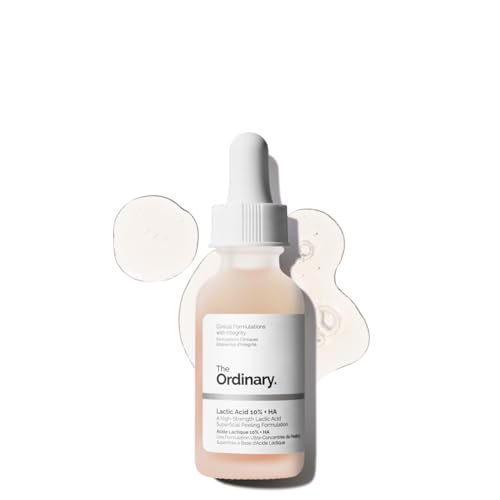
Start by matching the acid to what you're actually treating rather than to the biggest number on the shelf. Blackheads, congestion, and oiliness point to a salicylic (BHA) leave-on like the Paula's Choice option; dullness and rough texture on drier skin suit a glycolic or lactic AHA such as The Ordinary's; and first-timers or sensitive skin do best easing in with a gentler lactic acid or a low-effort overnight treatment. Combination skin often gets more from a light AHA/BHA blend toner like the COSRX one, used a few nights a week, than from two separate stronger products.
Where Price Helps and Where It Doesn't
A higher percentage or a prestige name isn't automatically better — the finished pH, the base formula, and how long the acid stays on skin matter more than the number on the front. A well-made budget glycolic or lactic serum can out-perform a poorly buffered expensive one. Save the prestige spend, like a Sunday Riley-style lactic treatment, for when you're an established acid user who wants a specific texture or finish, not as a starting point.
Sunscreen, retinol & protecting your skin barrier
- Starting at three or more nights a week before your skin barrier has adjusted is a common mistake. Most people do better easing in every third or fourth night and building up gradually.
- Layering an acid serum directly under or over retinol on the same night stacks two forms of surface turnover. That's a common cause of visible flaking and barrier irritation.
- Skipping sunscreen the next morning undoes the benefit. Exfoliating acids increase sun sensitivity, and unprotected UV exposure can erase the brightening result you're using them for.
- Treating stinging or persistent redness as proof the product is working is a mistake too. Mild tingling on first use is common. Ongoing burning, peeling, or new breakouts mean it's time to stop, scale back, and talk to a dermatologist if irritation doesn't settle.