

Skip to content
At-Home Chemical Peels · Deep dive

At-Home Peel Safety & Frequency

Patch Test Every New Peel: Spotting an Allergic Reaction Early

A patch test isn't just a formality. It's the single best predictor of how a new formula will behave on your face — before you find out the hard way. Apply a small amount to an inconspicuous area, like behind the ear or along the jawline. Wait 24 to 48 hours. You're checking for anything beyond mild, brief tingling. Real redness that doesn't fade, swelling, burning, or itching are all signs of an allergic reaction, and a reason to skip the product entirely. This matters even if you've used other chemical peels without issue. Different acids, percentages, and pH levels can behave differently on the same skin. A new brand's formula isn't guaranteed to behave like the one you're used to. Even a straightforward drugstore pad like L'Oréal Paris's Bright Reveal Dark Spot Peel Pads can differ from what you've tried before.

Peel Frequency by Strength: Low-Strength, High-Strength & Barrier Health

Frequency depends entirely on the product's strength and format. The label instructions exist because the brand has tested that specific formula — not out of generic caution. As a rough guide, pre-soaked pads and daily-use gels in the 2–8% low-strength range are usually formulated for near-daily or every-other-day use. A near-daily pad like First Aid Beauty's Facial Radiance Pads sits at this gentle end. Mid-strength leave-on treatments (roughly 10–20%) are typically once or twice a week. High-strength solutions at 25% and above, like The Ordinary's AHA 30% + BHA 2% Peeling Solution or Peter Thomas Roth's Peeling Solution 40% Triple Acid Peel, are usually meant for once a week or once every two weeks, with a strict, short contact time. Using a strong peel more often than intended doesn't accelerate results. This kind of over-exfoliation depletes the skin's barrier faster than it can repair itself. That shows up as sensitive skin, redness, and sometimes breakouts from an irritated, compromised barrier.

Chemical Burn Signs: Redness, Irritation, Blistering, Dark Patches & When to See a Dermatologist

Some visible flaking or a feeling of tightness in the day or two after a stronger peel is common. It's not a cause for concern on its own. What isn't normal: skin that's bright red and stays that way for more than a few hours. Also watch for a burning sensation that doesn't fade shortly after rinsing, blistering, or dark patches that appear where the peel was applied. Those are signs of a genuine chemical burn or an allergic reaction, not "the peel working." If that happens, stop using the product and rinse thoroughly with cool water. Apply a plain, fragrance-free moisturizer. See a dermatologist if the reaction doesn't settle within a day or two, or if you have any blistering.

Sunscreen, UV Light & Sensitive Skin After a Peel

Any acid exfoliation — even a gentle daily pad — temporarily increases how reactive your skin is to UV light. That heightened sensitivity outlasts the visible peeling by several days. This is the single most commonly skipped safety step. A daily-use pad like Dr. Dennis Gross Skincare's Alpha Beta Universal Daily Peel makes it especially easy to forget, since the routine itself feels low-key. Applying a peel, then going about a normal week without reinforcing daily sunscreen, is the mistake that undoes the most progress. Beyond the sunburn risk, UV exposure on freshly exfoliated skin is also more likely to trigger dark spots. It can undo the uneven tone most people are trying to fade in the first place. Skipping sunscreen on sensitive skin can undo weeks of progress in one unprotected afternoon.

Retinoid, Vitamin C, Benzoyl Peroxide & Microneedling: What Not to Combine

Avoid using a peel on the same night as a retinoid or retinol, vitamin C serum, benzoyl peroxide, or a separate physical or chemical exfoliant. Stacking actives multiplies irritation risk without multiplying benefit. If your routine already includes a retinoid, alternate nights instead — peel one night, retinoid another. Build in at least one or two recovery nights of just a gentle moisturizer. If you're on a prescription topical for acne, or you've had a recent in-office treatment like microneedling or laser, check with the prescribing provider first. Do this before adding an at-home peel. The combined effect on barrier function can be more than the sum of its parts.
You may be interested in

Popular picks from related categories, chosen with the same rubric.

Editor's Pick #1
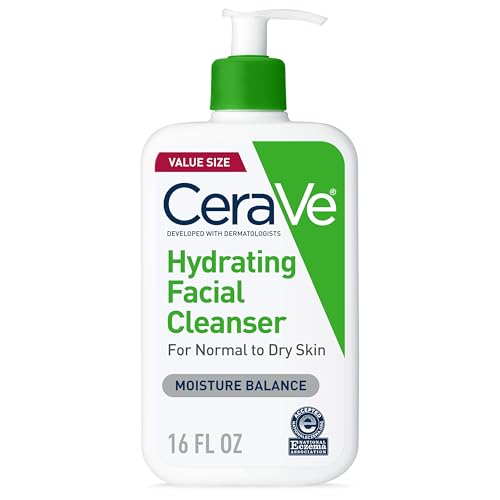
Hydrating Facial Cleanser
Dry-to-normal sensitive skin, especially anyone also using retinoids or other actives

Hydrating Facial Cleanser

CeraVe

It's formulated with three ceramides, hyaluronic acid, and a National Eczema Association seal. Dermatologists mention it most often for reactive skin. It's a genuinely non-foaming, low-irritation formula that doesn't strip the barrier.

Ceramide and hyaluronic acid formula supports the skin barrier while cleansing
Fragrance-free, non-foaming, and won't disrupt a compromised moisture barrier
Budget-friendly per ounce and widely available at drugstores
Doesn't fully dissolve heavy sunscreen or long-wear makeup on its own, so double-cleansing days may need a micellar water or oil-based first step
Best Value #2
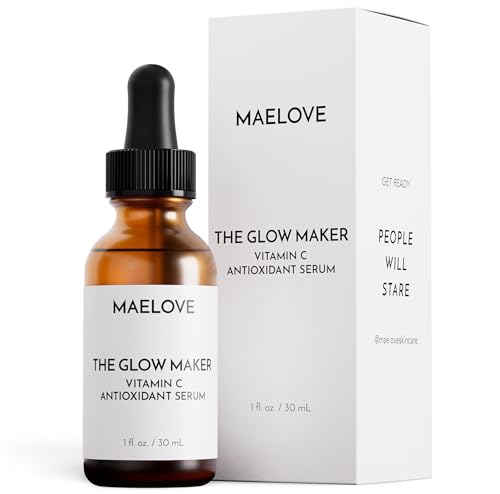
Glow Maker
Readers who want a well-formulated L-ascorbic acid serum without the prestige price tag

Glow Maker

Maelove

It leans on similar formulation logic to pricier serums: L-ascorbic acid plus vitamin E and ferulic acid. It costs a fraction of the price. That's why it's often called an affordable alternative to the prestige options.

Combines L-ascorbic acid with vitamin E and ferulic acid, echoing higher-end formulas
Opaque pump bottle helps limit light and air exposure
Noticeably cheaper per ounce than most L-ascorbic acid serums of similar formulation
The pump can dispense unevenly or feel like it needs priming, a minor but frequently mentioned annoyance
Editor's Pick #1
Moisturizing Cream
Normal to dry skin that wants a dermatologist-developed, fragrance-free daily moisturizer

CeraVe Moisturizing Cream

CeraVe

It pairs three essential ceramides with hyaluronic acid in a rich, fragrance-free base. Long-term users with dry, compromised skin consistently praise it. It's also inexpensive enough to use liberally.

Ceramide + hyaluronic acid formula supports the skin barrier
Fragrance-free and well-tolerated by sensitive skin
Large jar size makes it very cost-effective per ounce
The tub packaging means dipping fingers into the product, which isn't ideal for hygiene or portability
Editor's Pick #1
UV Clear Broad-Spectrum SPF 46
acne-prone, sensitive, or post-procedure skin that needs a dermatologist-trusted daily option

UV Clear Broad-Spectrum SPF 46

EltaMD

Dermatologists reach for EltaMD more than almost any other sunscreen. It pairs broad-spectrum zinc oxide protection with niacinamide and hyaluronic acid. The oil-free base is genuinely weightless and layers well under makeup.

Broad-spectrum SPF 46 with zinc oxide
Oil-free, non-comedogenic formula favored for acne-prone skin
Contains niacinamide and hyaluronic acid for added hydration
Pricier per ounce than most drugstore sunscreens, and the pump makes it easy to under-apply if you're not deliberate about the amount.
Editor's Pick #1
Skin Perfecting 2% BHA Liquid Exfoliant
Anyone dealing with clogged pores, blackheads, or rough, bumpy texture who wants an evidence-backed exfoliating toner

2% BHA Liquid Exfoliant

Paula's Choice

It's built around a well-studied 2% salicylic acid concentration at an effective pH. The base is fragrance-free and alcohol-free. That combination is why it's stayed a favorite among ingredient-focused shoppers for years, rather than fading as a trend.

2% salicylic acid at a pH that actually works
Fragrance-free and alcohol-free formula
Noticeably improves texture and blackheads with consistent use
The active concentration can cause redness or flaking in the first couple of weeks, so it's not the easiest starting point for very reactive or rosacea-prone skin
Editor's Pick #1
Contour Face
people who want the most clinically studied LED mask on the market and don't mind the price

Contour Face

Omnilux

Omnilux's LED technology is the same platform used in dermatology clinics. The Contour Face is its rigid, dermatologist-favorite home version, and it has more research behind it than most at-home competitors.

Extensive clinical research behind Omnilux's LED platform, more than most home devices
FDA-cleared for temporary reduction in the appearance of fine lines and wrinkles
Even, consistent light distance thanks to the rigid, hinged design
Rigid shell doesn't flex to different face shapes, there's no blue-light setting for acne, and it's one of the most expensive masks on the market

Affiliate disclosure: We may earn a commission from qualifying purchases made through links on this page, at no extra cost to you. Some links on this page are affiliate links.