Glycolic Acid, Lactic Acid & Salicylic Acid: What Counts as a Chemical Peel
A chemical peel uses an acid — usually an AHA, BHA, or PHA like glycolic acid, lactic acid, or salicylic acid — to dissolve the "glue" holding dead skin cells together. That lets them shed faster than they would on their own. At-home versions use lower acid strengths and a higher pH than a dermatologist or esthetician would use in-office. That makes them safer for unsupervised use, but the results are also more gradual. Anything promising professional-grade results in a drugstore aisle is oversimplifying. Think of at-home peels as a way to maintain and gently improve skin — not to correct deep scarring or pigmentation overnight.
AHA, BHA & PHA: Matching Peel Strength to Sensitive Skin
Glycolic acid (an AHA) has the smallest molecule of the common acids. It penetrates fastest and works well on texture, dullness, and mild sun damage. It's also the acid most likely to sting on sensitive skin. Lactic acid is a gentler AHA that doubles as a humectant, which makes it a good starting point for dry or reactive skin. Salicylic acid (a BHA) is oil-soluble, so it gets into pores. That makes it the better choice for blackheads, congestion, and oily or acne-prone skin. Many of the picks below combine two or three acids at a modest peel strength rather than relying on one acid at high strength, which tends to be more forgiving on skin.
Peel Pads vs. Leave-On Peel: Choosing the Right Exfoliation Format
Pre-soaked peel pads and two-step kits are the easiest entry point because the dose is fixed for you. You can't accidentally leave a strong solution on too long. Leave-on peel solutions with a timed rinse step deliver more intensity, but they demand more attention to instructions. If you're new to exfoliation or have sensitive skin, start with a pad-based or wash-off format at the lower end of the strength range. Build tolerance over several weeks before considering anything stronger.
Chemical Burn Risk: Sunscreen & Patch Test Mistakes to Avoid
The two mistakes we see most often are using a peel more often than the label allows and stacking it with other active ingredients — retinoids, vitamin C serums, or additional exfoliants — on the same night. Both raise the odds of redness, stinging, or flaking skin, and in worse cases a genuine chemical burn. Skipping a patch test on a new formula is another common misstep. So is skipping sunscreen the next morning: freshly exfoliated skin is measurably more sensitive to UV damage for at least several days after a peel.
Dead Skin Cells, Texture, Dullness & Dark Spots: When to See a Dermatologist
If you're dealing with active cystic acne, diagnosed rosacea, eczema flare-ups, or you're on prescription retinoids or recent isotretinoin, talk to a dermatologist before adding any at-home peel. They can recommend a peel strength and frequency suited to your specific skin, or a professional treatment instead. A dermatologist is also the right call for texture, dullness, dark spots, or hyperpigmentation that goes deeper than surface dead skin cells. We're reviewers, not clinicians, and no product on this list is a substitute for that conversation.
Matching a peel to your experience level and skin type
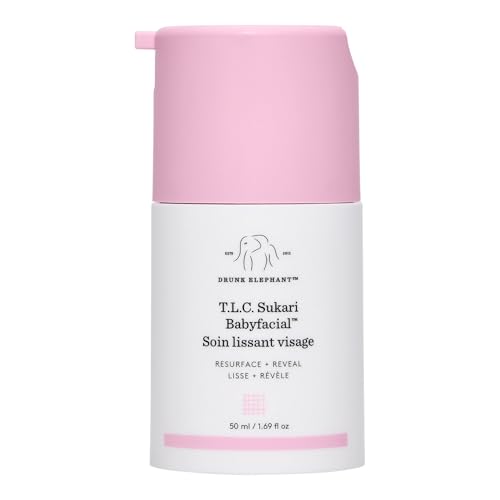
Buy for the skin and tolerance you have now, not the results you want fastest. If you're new to acids or your skin is reactive, start with a low-intensity, dose-controlled format — pre-soaked pads like First Aid Beauty Facial Radiance Pads or a budget glycolic pad such as L'Oréal Bright Reveal Dark Spot Peel Pads take the guesswork out of timing. Once your skin reliably tolerates acids, a steady daily two-step peel like Dr. Dennis Gross Alpha Beta Universal Daily Peel or a stronger weekly reset such as Drunk Elephant T.L.C. Sukari Babyfacial makes sense. Reserve maximum-strength leave-on solutions like The Ordinary AHA 30% + BHA 2% Peeling Solution or Peter Thomas Roth's 40% triple-acid peel for experienced users only, and even then for occasional use.
Buying mistakes and when to save
The most expensive peel isn't automatically the strongest or the safest for you — percentage, acid type, and format matter more than price. Avoid buying a high-percentage solution as your first peel, and don't stock up on a big kit before a patch test confirms your skin tolerates it. A modest multi-acid blend at a drugstore price is often the smarter buy than a prestige jar you'll use cautiously and rarely. Match the acid to your concern — AHAs for texture and dullness, BHA for congestion — rather than to the boldest claim on the box.