

Skip to content
At-Home Chemical Peels · Deep dive

Choosing a Peel Strength

pH, Formulation & Percentage: Why “Strength” Is More Than the Number

It's tempting to treat the percentage on a peel's label as the only number that matters. But percentage only tells you how much acid is in the formula. It doesn't tell you how available that acid is to actually affect your skin. pH plays just as big a role. A lower pH means more of the acid is in its “free” form and able to exfoliate. So a 10% acid at a low pH can feel and perform stronger than a 20% acid at a higher pH. Formulation also matters. Soothing ingredients like panthenol, allantoin, or centella can buffer a strong acid so it's better tolerated. A bare-bones formula at the same percentage might feel much harsher. Go by how a product is described to actually perform, not just the number on the front.

Low, Mid & High Strength: Matching Peel Strength to Your Skin

Low Strength (2–8% Acid): Gentle Daily Exfoliation for Sensitive Skin

This range is meant for frequent, low-commitment use. Daily or every-other-day pads and gels maintain smoother skin over time, rather than delivering a dramatic single-use result. It's the right starting point if you've never used a chemical exfoliant before, or if you have sensitive skin. It also works if you just want gentle upkeep rather than active correction. A 5%-glycolic pad like First Aid Beauty's Facial Radiance Pads is a good example of this gentle end.

Mid Strength (10–20% Acid): Visible Texture and Tone Change

This is the range where most people start to see a visible difference in texture and tone after a handful of uses — often from a glycolic acid-led formula. It usually comes as a once- or twice-weekly leave-on treatment or mask. It's a reasonable next step once you've built some tolerance on a low-strength product for a few weeks without irritation. A two-step daily system, like Dr. Dennis Gross Skincare's Alpha Beta Universal Daily Peel, is a common example at this level.

High Strength (25%+ Acid): Closest to a Professional Peel

These are the closest things to a professional peel sold for home use. They're typically applied for a short, strictly timed window — often under 10 minutes — once every one to two weeks. They deliver the most noticeable single-use results. But they also carry the highest risk of irritation or a genuine chemical burn if the instructions aren't followed exactly. They're not a starting point for anyone new to acids. The Ordinary's AHA 30% + BHA 2% Peeling Solution, Peter Thomas Roth's Peeling Solution 40% Triple Acid Peel, and Drunk Elephant's 25%-AHA T.L.C. Sukari Babyfacial all sit in this bracket.

Contact Time & Tolerance: How to Progress to a Stronger Peel

If you want to build up to a stronger peel, give your skin at least three to four weeks on a lower strength before stepping up. Only move up if you've had zero irritation at the current level. When you try a new, stronger formula, apply it for less than the maximum stated contact time on your first use. Extend gradually in later applications, rather than starting at the full recommended time. Skin that's building tolerance well shows smoother texture and maybe very mild, short-lived flaking — not ongoing redness or sensitivity between uses.

TCA, In-Office Peel & When a Dermatologist or Esthetician Can Do More

Even the strongest at-home peel is formulated to a safety ceiling well below what's used in a professional setting. An in-office peel can use higher acid concentrations, lower pH formulations, or acids like TCA that aren't sold for home use. It's also applied by someone trained to manage the skin's response in real time — a dermatologist or an esthetician. That's the right route for concerns like deeper acne scarring, more significant pigmentation, or any condition a dermatologist is actively treating. At-home peels are a maintenance and mild-improvement tool. They work best when you think of them that way, not as a substitute for professional treatment.
You may be interested in

Popular picks from related categories, chosen with the same rubric.

Editor's Pick #1
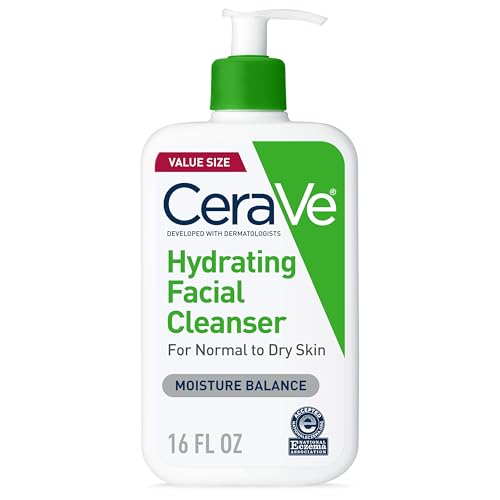
Hydrating Facial Cleanser
Dry-to-normal sensitive skin, especially anyone also using retinoids or other actives

Hydrating Facial Cleanser

CeraVe

It's formulated with three ceramides, hyaluronic acid, and a National Eczema Association seal. Dermatologists mention it most often for reactive skin. It's a genuinely non-foaming, low-irritation formula that doesn't strip the barrier.

Ceramide and hyaluronic acid formula supports the skin barrier while cleansing
Fragrance-free, non-foaming, and won't disrupt a compromised moisture barrier
Budget-friendly per ounce and widely available at drugstores
Doesn't fully dissolve heavy sunscreen or long-wear makeup on its own, so double-cleansing days may need a micellar water or oil-based first step
Best Value #2
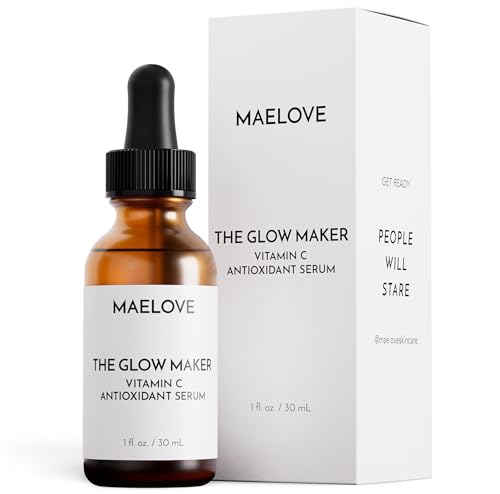
Glow Maker
Readers who want a well-formulated L-ascorbic acid serum without the prestige price tag

Glow Maker

Maelove

It leans on similar formulation logic to pricier serums: L-ascorbic acid plus vitamin E and ferulic acid. It costs a fraction of the price. That's why it's often called an affordable alternative to the prestige options.

Combines L-ascorbic acid with vitamin E and ferulic acid, echoing higher-end formulas
Opaque pump bottle helps limit light and air exposure
Noticeably cheaper per ounce than most L-ascorbic acid serums of similar formulation
The pump can dispense unevenly or feel like it needs priming, a minor but frequently mentioned annoyance
Editor's Pick #1
Moisturizing Cream
Normal to dry skin that wants a dermatologist-developed, fragrance-free daily moisturizer

CeraVe Moisturizing Cream

CeraVe

It pairs three essential ceramides with hyaluronic acid in a rich, fragrance-free base. Long-term users with dry, compromised skin consistently praise it. It's also inexpensive enough to use liberally.

Ceramide + hyaluronic acid formula supports the skin barrier
Fragrance-free and well-tolerated by sensitive skin
Large jar size makes it very cost-effective per ounce
The tub packaging means dipping fingers into the product, which isn't ideal for hygiene or portability
Editor's Pick #1
UV Clear Broad-Spectrum SPF 46
acne-prone, sensitive, or post-procedure skin that needs a dermatologist-trusted daily option

UV Clear Broad-Spectrum SPF 46

EltaMD

Dermatologists reach for EltaMD more than almost any other sunscreen. It pairs broad-spectrum zinc oxide protection with niacinamide and hyaluronic acid. The oil-free base is genuinely weightless and layers well under makeup.

Broad-spectrum SPF 46 with zinc oxide
Oil-free, non-comedogenic formula favored for acne-prone skin
Contains niacinamide and hyaluronic acid for added hydration
Pricier per ounce than most drugstore sunscreens, and the pump makes it easy to under-apply if you're not deliberate about the amount.
Editor's Pick #1
Skin Perfecting 2% BHA Liquid Exfoliant
Anyone dealing with clogged pores, blackheads, or rough, bumpy texture who wants an evidence-backed exfoliating toner

2% BHA Liquid Exfoliant

Paula's Choice

It's built around a well-studied 2% salicylic acid concentration at an effective pH. The base is fragrance-free and alcohol-free. That combination is why it's stayed a favorite among ingredient-focused shoppers for years, rather than fading as a trend.

2% salicylic acid at a pH that actually works
Fragrance-free and alcohol-free formula
Noticeably improves texture and blackheads with consistent use
The active concentration can cause redness or flaking in the first couple of weeks, so it's not the easiest starting point for very reactive or rosacea-prone skin
Editor's Pick #1
Contour Face
people who want the most clinically studied LED mask on the market and don't mind the price

Contour Face

Omnilux

Omnilux's LED technology is the same platform used in dermatology clinics. The Contour Face is its rigid, dermatologist-favorite home version, and it has more research behind it than most at-home competitors.

Extensive clinical research behind Omnilux's LED platform, more than most home devices
FDA-cleared for temporary reduction in the appearance of fine lines and wrinkles
Even, consistent light distance thanks to the rigid, hinged design
Rigid shell doesn't flex to different face shapes, there's no blue-light setting for acne, and it's one of the most expensive masks on the market

Affiliate disclosure: We may earn a commission from qualifying purchases made through links on this page, at no extra cost to you. Some links on this page are affiliate links.