

Skip to content
Face Scrubs & Physical Exfoliants · Deep dive

How Often to Scrub Your Face

How often should you scrub your face? Face scrub & exfoliation frequency basics

The most common exfoliation mistake isn't the product, it's the frequency. Skin cell turnover happens on a cycle of several weeks, not overnight. A face scrub used too often doesn't speed up results. It just adds friction damage faster than skin can repair it.

The general range: oily skin, dry skin & sensitive skin

For most skin types, two to three times a week is the practical ceiling for a physical scrub. Oily skin and thicker skin can sometimes tolerate the higher end of that range, the way a firmer formula like St. Ives' scrub or Neutrogena's fine-grain scrub is built for. Dry skin and sensitive skin usually do better closer to once or twice a week, or with a gentler chemical exfoliant instead of a scrub, such as CeraVe's SA cleanser or a fine-particle pick like Clinique's rinse-off scrub used sparingly. Daily scrubbing is rarely appropriate for any skin type. Even skin that seems fine with daily use is often experiencing low-grade barrier damage. It just hasn't shown up as visible irritation yet.

Why more isn't better: skin barrier, skin cell turnover, dead skin & micro-tears

The skin barrier is the outermost layer of lipids and cells that keeps moisture in and irritants out. It takes time to rebuild after any exfoliation. Scrub too often and dead skin removal outpaces regeneration. That shows up as increased sensitivity, tightness, and redness. Skin may suddenly react to products it tolerated fine before. Ironically, over-scrubbed skin often looks worse than under-exfoliated skin. It can appear shiny and inflamed rather than smooth. It's also more prone to micro-tears, broken capillaries, and prolonged redness over time.

Signs of over-exfoliation: redness, irritation & breakouts

  • Skin feels tight, raw, or stings after rinsing, and that irritation lasts more than a few minutes.
  • Visible redness or blotchiness that wasn't there before regular exfoliating started.
  • Increased breakouts, since a compromised barrier is more prone to inflammation.
  • Products that used to feel fine, like moisturizer or sunscreen, now sting or burn on application.
  • Flaking or peeling that looks like irritation rather than the smoothness you were aiming for.

Any of these is a signal to stop scrubbing entirely for at least a week or two. Let the barrier recover with a plain, fragrance-free moisturizer, not a gentler-sounding scrub at the same frequency.

Adjusting for skin type, season & sunburn

Frequency isn't fixed. It should flex with what skin is currently doing. Cold, dry months typically call for less physical exfoliation. Skin is already working harder to hold onto moisture. Skin dealing with a breakout, sunburn, windburn, or recent waxing should skip scrubbing altogether until fully recovered.

Retinoid, chemical exfoliant & barrier damage: when to pull back

Introducing a new active ingredient is usually a good time to cut scrubbing back. A retinoid, a stronger vitamin C, or a chemical exfoliant all count. Cut back to once a week, or pause scrubbing entirely. The combined effect of multiple actives adds up faster than any one of them alone. That raises the risk of real barrier damage.

Testing your physical scrub frequency: fragrance-free moisturizer & when to see a dermatologist

Start at the lower end, once or twice a week. Hold steady for two to three weeks before judging results. If skin looks and feels smoother, with no lingering redness or sensitivity, consider adding a third session per week. If any of the overdoing-it signs show up, drop back down immediately rather than pushing through. Lean on a fragrance-free moisturizer while skin recovers. A gentler formula, like Dermalogica's rice-powder scrub, is a reasonable swap once frequency resumes. Everyone's barrier tolerance is different. The right frequency is the one your skin tolerates without ongoing irritation, not a fixed number that applies to everyone equally. Persistent irritation despite scaling back is worth bringing to a dermatologist.
You may be interested in

Popular picks from related categories, chosen with the same rubric.

Editor's Pick #1
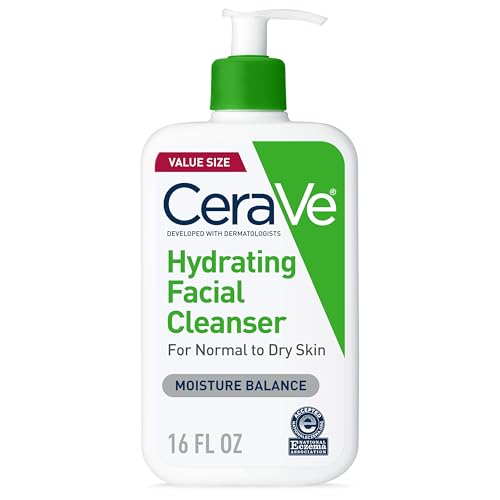
Hydrating Facial Cleanser
Dry-to-normal sensitive skin, especially anyone also using retinoids or other actives

Hydrating Facial Cleanser

CeraVe

It's formulated with three ceramides, hyaluronic acid, and a National Eczema Association seal. Dermatologists mention it most often for reactive skin. It's a genuinely non-foaming, low-irritation formula that doesn't strip the barrier.

Ceramide and hyaluronic acid formula supports the skin barrier while cleansing
Fragrance-free, non-foaming, and won't disrupt a compromised moisture barrier
Budget-friendly per ounce and widely available at drugstores
Doesn't fully dissolve heavy sunscreen or long-wear makeup on its own, so double-cleansing days may need a micellar water or oil-based first step
Best Value #2
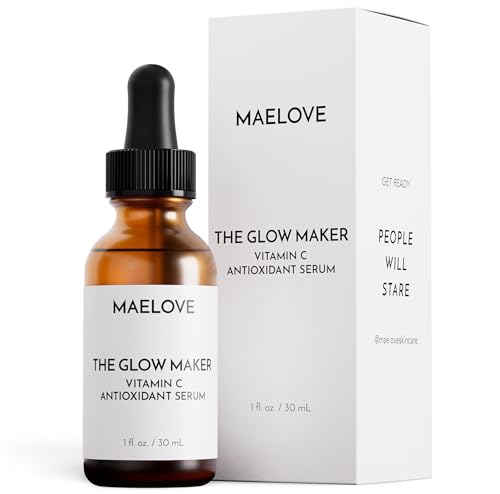
Glow Maker
Readers who want a well-formulated L-ascorbic acid serum without the prestige price tag

Glow Maker

Maelove

It leans on similar formulation logic to pricier serums: L-ascorbic acid plus vitamin E and ferulic acid. It costs a fraction of the price. That's why it's often called an affordable alternative to the prestige options.

Combines L-ascorbic acid with vitamin E and ferulic acid, echoing higher-end formulas
Opaque pump bottle helps limit light and air exposure
Noticeably cheaper per ounce than most L-ascorbic acid serums of similar formulation
The pump can dispense unevenly or feel like it needs priming, a minor but frequently mentioned annoyance
Editor's Pick #1
Moisturizing Cream
Normal to dry skin that wants a dermatologist-developed, fragrance-free daily moisturizer

CeraVe Moisturizing Cream

CeraVe

It pairs three essential ceramides with hyaluronic acid in a rich, fragrance-free base. Long-term users with dry, compromised skin consistently praise it. It's also inexpensive enough to use liberally.

Ceramide + hyaluronic acid formula supports the skin barrier
Fragrance-free and well-tolerated by sensitive skin
Large jar size makes it very cost-effective per ounce
The tub packaging means dipping fingers into the product, which isn't ideal for hygiene or portability
Editor's Pick #1
UV Clear Broad-Spectrum SPF 46
acne-prone, sensitive, or post-procedure skin that needs a dermatologist-trusted daily option

UV Clear Broad-Spectrum SPF 46

EltaMD

Dermatologists reach for EltaMD more than almost any other sunscreen. It pairs broad-spectrum zinc oxide protection with niacinamide and hyaluronic acid. The oil-free base is genuinely weightless and layers well under makeup.

Broad-spectrum SPF 46 with zinc oxide
Oil-free, non-comedogenic formula favored for acne-prone skin
Contains niacinamide and hyaluronic acid for added hydration
Pricier per ounce than most drugstore sunscreens, and the pump makes it easy to under-apply if you're not deliberate about the amount.
Editor's Pick #1
Skin Perfecting 2% BHA Liquid Exfoliant
Anyone dealing with clogged pores, blackheads, or rough, bumpy texture who wants an evidence-backed exfoliating toner

2% BHA Liquid Exfoliant

Paula's Choice

It's built around a well-studied 2% salicylic acid concentration at an effective pH. The base is fragrance-free and alcohol-free. That combination is why it's stayed a favorite among ingredient-focused shoppers for years, rather than fading as a trend.

2% salicylic acid at a pH that actually works
Fragrance-free and alcohol-free formula
Noticeably improves texture and blackheads with consistent use
The active concentration can cause redness or flaking in the first couple of weeks, so it's not the easiest starting point for very reactive or rosacea-prone skin
Editor's Pick #1
Contour Face
people who want the most clinically studied LED mask on the market and don't mind the price

Contour Face

Omnilux

Omnilux's LED technology is the same platform used in dermatology clinics. The Contour Face is its rigid, dermatologist-favorite home version, and it has more research behind it than most at-home competitors.

Extensive clinical research behind Omnilux's LED platform, more than most home devices
FDA-cleared for temporary reduction in the appearance of fine lines and wrinkles
Even, consistent light distance thanks to the rigid, hinged design
Rigid shell doesn't flex to different face shapes, there's no blue-light setting for acne, and it's one of the most expensive masks on the market

Affiliate disclosure: We may earn a commission from qualifying purchases made through links on this page, at no extra cost to you. Some links on this page are affiliate links.