


Skip to content
Face Scrubs & Physical Exfoliants · Deep dive

Physical vs Chemical Exfoliation

Physical exfoliation vs. chemical exfoliation: what's different

Exfoliation covers two genuinely different mechanisms. Confusing them is where most exfoliation-related skin damage starts. Physical exfoliation removes dead skin cells mechanically — friction from a scrub, brush, or cloth dislodges them. Chemical exfoliation removes dead skin cells chemically. Acids or enzymes dissolve the bonds holding dead cells together, so cells lift away on their own, usually with no scrubbing at all.

How physical exfoliation works: face scrub particles, particle shape & crushed walnut shells

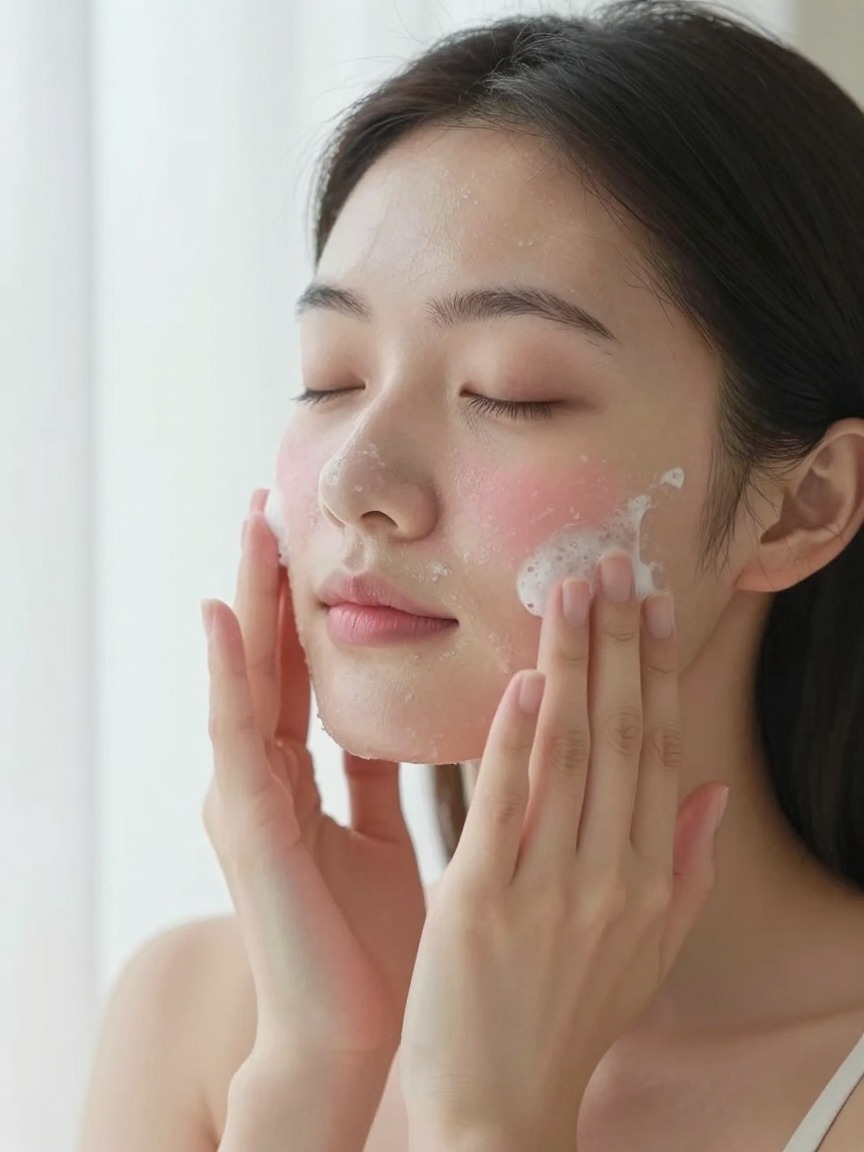
A face scrub's particles — sugar, rice powder, jojoba esters, or crushed shells — are massaged across damp skin. Friction loosens dead surface cells. The result is immediate: skin feels smoother right after rinsing. But the effect depends entirely on technique and particle shape. Round, smooth particles buff gently. Jagged, irregular particles are different. Classic offenders are crushed walnut shells and apricot pits, and they can create micro-tears in the skin's surface, especially with pressure or frequent use. Because the effect is mechanical, physical exfoliation can't be dosed as precisely as a chemical exfoliant. It's really only as gentle as the particle choice and the hand applying it.

How chemical exfoliation works: AHA, BHA, glycolic acid, lactic acid, papain & enzymes

Alpha-hydroxy acids, or AHAs, like glycolic acid and lactic acid, work primarily on the skin's surface. They're generally better suited to dry or sun-damaged skin, since they also draw in moisture. Beta-hydroxy acid, or BHA, is oil-soluble salicylic acid. It can get into pores, which makes it the better choice for oily or acne-prone skin. Enzymes such as papain from papaya, or bromelain from pineapple, work more gently than acids. They break down the surface proteins holding dead cells in place. Concentration and pH can be controlled precisely in a formula. That makes chemical exfoliants generally easier to dose consistently than a scrub, where gentle or aggressive depends heavily on how hard you rub.

Who tends to do better with which: oily skin, dry skin, sensitive skin & acne-prone skin

Oily, thicker, or non-reactive skin can usually handle either method. Many people use a physical scrub for a quick weekly polish, the way Clinique's rinse-off formula or St. Ives' apricot scrub are typically used. They rely on a chemical exfoliant for ongoing, lower-grade maintenance in between — Dermalogica's rice-powder scrub is a common weekly-polish choice, and Neutrogena's fine-grain scrub is another. Dry skin, sensitive skin, and acne-prone skin tend to do better with chemical exfoliation. It avoids friction on skin that's already fragile or inflamed, and it can be formulated at a very low, gentle strength. Active breakouts specifically should not be scrubbed. Friction over inflamed skin can spread bacteria and worsen the breakout. A low-strength salicylic acid product, like CeraVe's SA cleanser, can still be appropriate there.

Can you use both? Salicylic acid, rosacea, micro-tears & dead skin cells

Yes, but not in the same session, and not both at full frequency. Stacking a scrub with a salicylic acid or other chemical exfoliant, back to back, is risky. It's one of the most common ways people accidentally over-exfoliate. The two effects compound rather than average out, which raises the risk of micro-tears and excess dead skin cell removal. A more sustainable pattern: pick one as the primary method for most of the week. Use the other only occasionally. A gentle chemical exfoliant a few times a week works well, with an occasional physical scrub for a deeper polish before an event. Rosacea-prone skin should lean toward the chemical side of that rotation, since it has the least tolerance for friction.

The bottom line: exfoliation, dermatologist advice & the safer default

Neither method is objectively better. They solve slightly different problems. Chemical exfoliation is generally the safer default for sensitive, acne-prone, or reactive skin. It can be precisely dosed and doesn't rely on friction. Physical exfoliation is satisfying, fast, and works well for skin that tolerates it. But the outcome depends entirely on particle shape and how gently it's actually used. If skin reacts to either type of exfoliation with lasting redness, stinging, or visible irritation, that's a signal to scale back or stop. Don't switch to a stronger version of the same thing. Persistent irritation is worth a dermatologist's opinion rather than more experimentation.
You may be interested in

Popular picks from related categories, chosen with the same rubric.

Editor's Pick #1
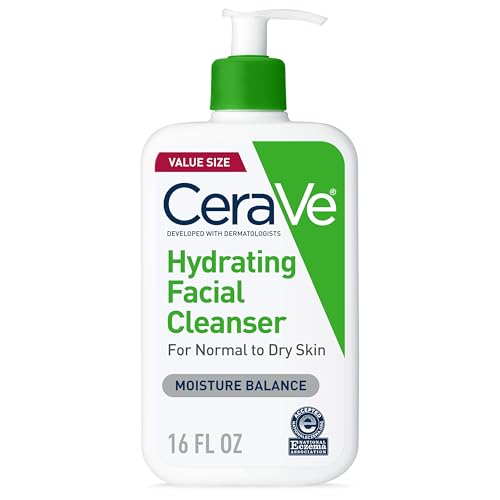
Hydrating Facial Cleanser
Dry-to-normal sensitive skin, especially anyone also using retinoids or other actives

Hydrating Facial Cleanser

CeraVe

It's formulated with three ceramides, hyaluronic acid, and a National Eczema Association seal. Dermatologists mention it most often for reactive skin. It's a genuinely non-foaming, low-irritation formula that doesn't strip the barrier.

Ceramide and hyaluronic acid formula supports the skin barrier while cleansing
Fragrance-free, non-foaming, and won't disrupt a compromised moisture barrier
Budget-friendly per ounce and widely available at drugstores
Doesn't fully dissolve heavy sunscreen or long-wear makeup on its own, so double-cleansing days may need a micellar water or oil-based first step
Best Value #2
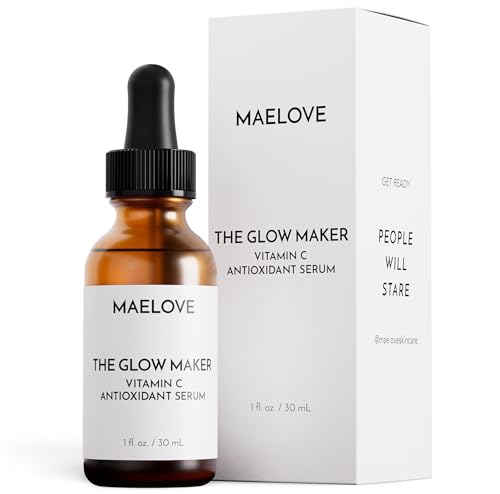
Glow Maker
Readers who want a well-formulated L-ascorbic acid serum without the prestige price tag

Glow Maker

Maelove

It leans on similar formulation logic to pricier serums: L-ascorbic acid plus vitamin E and ferulic acid. It costs a fraction of the price. That's why it's often called an affordable alternative to the prestige options.

Combines L-ascorbic acid with vitamin E and ferulic acid, echoing higher-end formulas
Opaque pump bottle helps limit light and air exposure
Noticeably cheaper per ounce than most L-ascorbic acid serums of similar formulation
The pump can dispense unevenly or feel like it needs priming, a minor but frequently mentioned annoyance
Editor's Pick #1
Moisturizing Cream
Normal to dry skin that wants a dermatologist-developed, fragrance-free daily moisturizer

CeraVe Moisturizing Cream

CeraVe

It pairs three essential ceramides with hyaluronic acid in a rich, fragrance-free base. Long-term users with dry, compromised skin consistently praise it. It's also inexpensive enough to use liberally.

Ceramide + hyaluronic acid formula supports the skin barrier
Fragrance-free and well-tolerated by sensitive skin
Large jar size makes it very cost-effective per ounce
The tub packaging means dipping fingers into the product, which isn't ideal for hygiene or portability
Editor's Pick #1
UV Clear Broad-Spectrum SPF 46
acne-prone, sensitive, or post-procedure skin that needs a dermatologist-trusted daily option

UV Clear Broad-Spectrum SPF 46

EltaMD

Dermatologists reach for EltaMD more than almost any other sunscreen. It pairs broad-spectrum zinc oxide protection with niacinamide and hyaluronic acid. The oil-free base is genuinely weightless and layers well under makeup.

Broad-spectrum SPF 46 with zinc oxide
Oil-free, non-comedogenic formula favored for acne-prone skin
Contains niacinamide and hyaluronic acid for added hydration
Pricier per ounce than most drugstore sunscreens, and the pump makes it easy to under-apply if you're not deliberate about the amount.
Editor's Pick #1
Skin Perfecting 2% BHA Liquid Exfoliant
Anyone dealing with clogged pores, blackheads, or rough, bumpy texture who wants an evidence-backed exfoliating toner

2% BHA Liquid Exfoliant

Paula's Choice

It's built around a well-studied 2% salicylic acid concentration at an effective pH. The base is fragrance-free and alcohol-free. That combination is why it's stayed a favorite among ingredient-focused shoppers for years, rather than fading as a trend.

2% salicylic acid at a pH that actually works
Fragrance-free and alcohol-free formula
Noticeably improves texture and blackheads with consistent use
The active concentration can cause redness or flaking in the first couple of weeks, so it's not the easiest starting point for very reactive or rosacea-prone skin
Editor's Pick #1
Contour Face
people who want the most clinically studied LED mask on the market and don't mind the price

Contour Face

Omnilux

Omnilux's LED technology is the same platform used in dermatology clinics. The Contour Face is its rigid, dermatologist-favorite home version, and it has more research behind it than most at-home competitors.

Extensive clinical research behind Omnilux's LED platform, more than most home devices
FDA-cleared for temporary reduction in the appearance of fine lines and wrinkles
Even, consistent light distance thanks to the rigid, hinged design
Rigid shell doesn't flex to different face shapes, there's no blue-light setting for acne, and it's one of the most expensive masks on the market

Affiliate disclosure: We may earn a commission from qualifying purchases made through links on this page, at no extra cost to you. Some links on this page are affiliate links.