

Skip to content
Hydrating Sheet Masks · Deep dive

How to Get the Most from a Sheet Mask

Cleanse first, then mask on damp skin

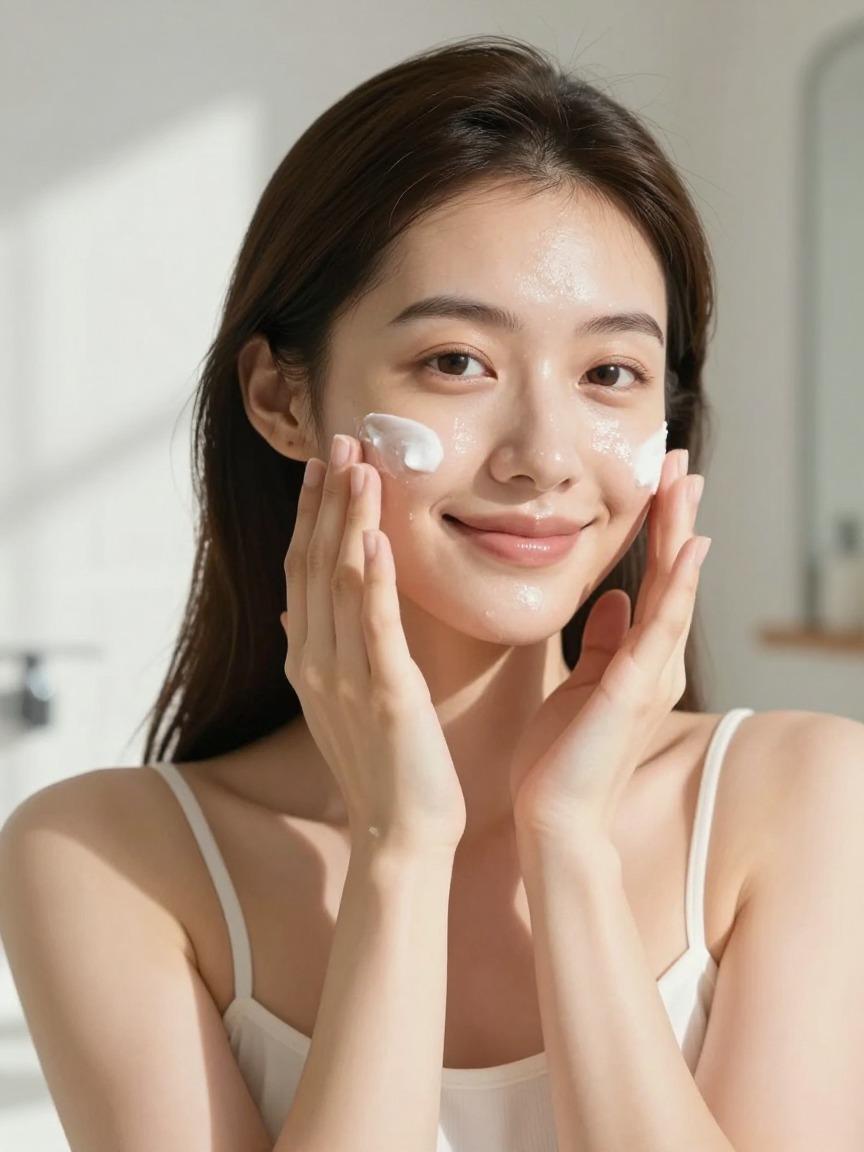
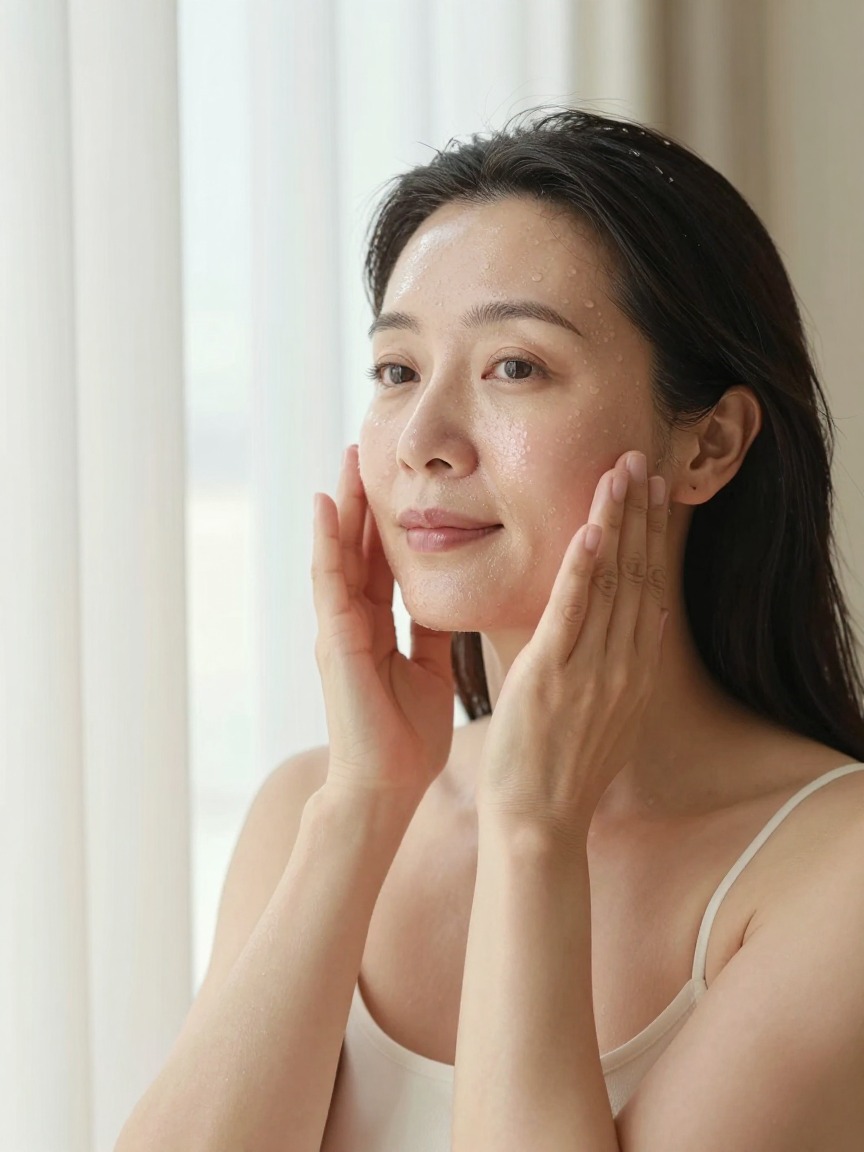
A sheet mask works on the skin you apply it to, so a few minutes of prep matter. Cleanse first—makeup, sunscreen, and the day's buildup sit between the essence and skin, blocking absorption. Some people apply a mask right after a lukewarm cleanse, while skin is still damp skin. Damp skin can help the essence spread and absorb a touch more evenly.

Skip retinoids and exfoliation right before masking

Skip heavy exfoliation or strong actives like retinoids right before masking. Compromised or freshly exfoliated skin is more likely to sting or react to a mask's ingredients, even a gentle one. Give retinoids and exfoliation their own night, separate from masking.

New to a brand? Patch test before a full mask

If you're trying a new brand or formula, patch test on your inner arm first. Wait a few hours before committing to a full face. This matters most for sensitive or reactive skin, since a mask stays in contact with skin far longer than a rinse-off product.

Get the fit right around the nose and jawline

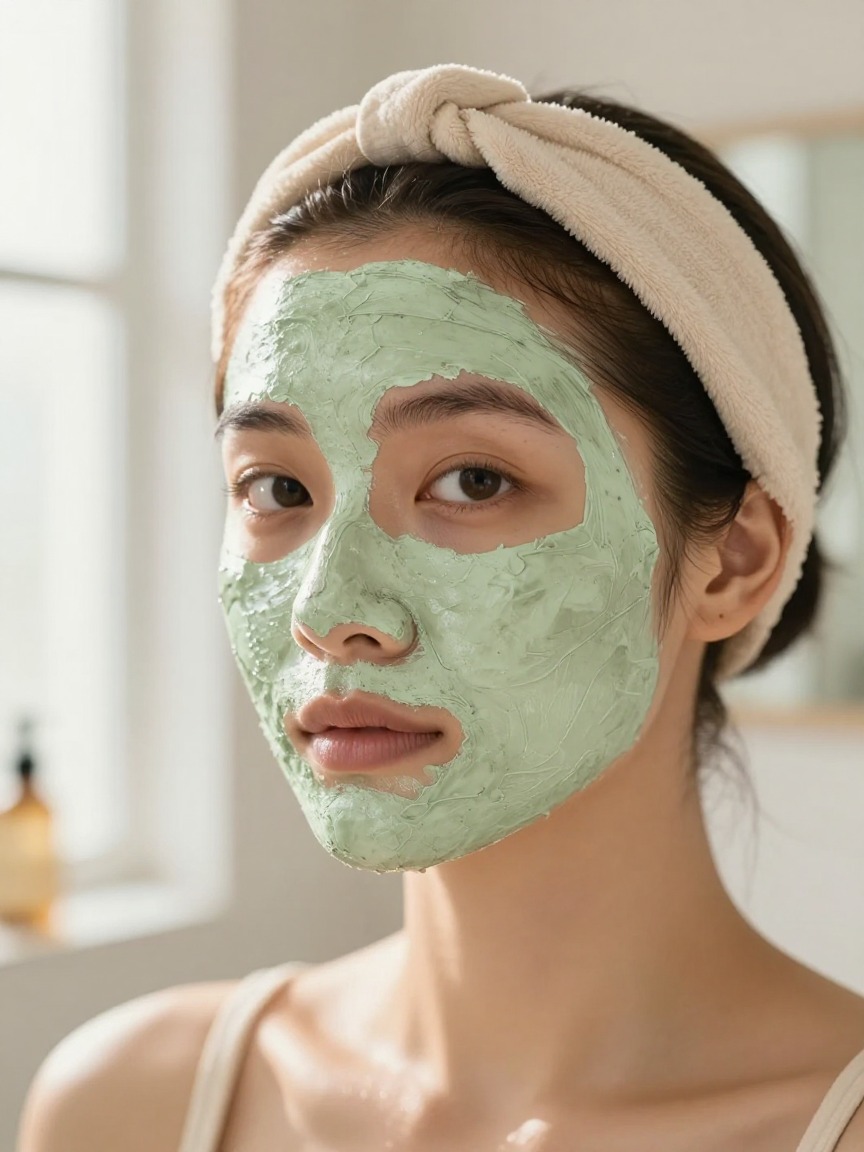
A sheet mask only works where it's actually touching skin. Gaps around the nose, under the eyes, or along the jawline mean those areas get little benefit. Smooth the sheet outward from the center of the face. Press gently around the nose bridge and jawline, where masks tend to gap. If a mask consistently doesn't fit your face shape, switch brands rather than fighting the same cut every time—fit varies noticeably between brands.

Cotton, biocellulose & hydrogel: material changes the fit

Cotton sheets are the most common and most affordable, but they can slip if you move around. Biocellulose is denser and clings closely to contours, so it gaps less. Hydrogel sheets are essence-heavy and cooling but need careful placement around the nose. Drugstore picks like Neutrogena and Garnier use cotton and hydrogel formats. Korean beauty brands such as innisfree, TONYMOLY, SK-II, and Dr. Jart+ span the same range, from simple cotton sheets to dense hydrogel treatments.

Set a timer instead of guessing the time

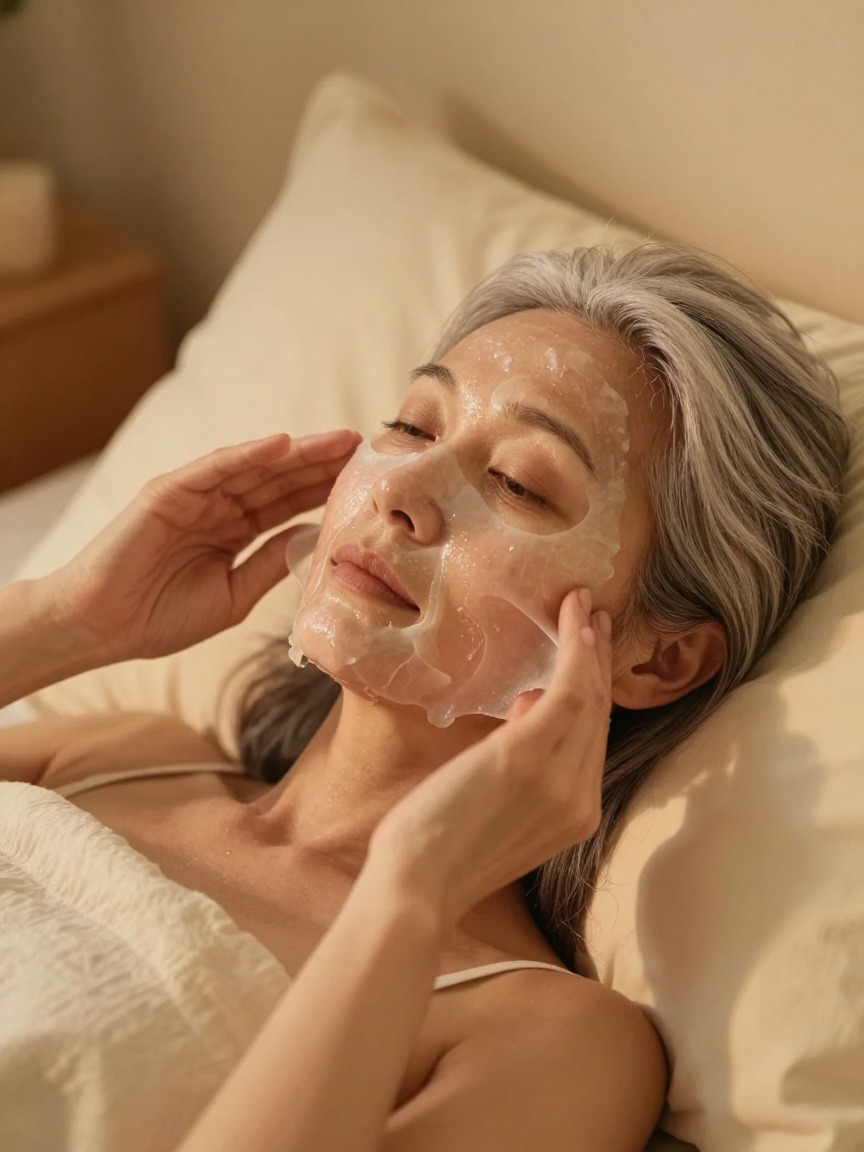
Most hydrating sheet masks are formulated for a ten-to-twenty-minute window. That number isn't arbitrary—it's roughly how long it takes the essence to transfer into skin before the sheet starts drying out. Past that point, a drying sheet can pull moisture back out of skin instead of adding it. Set a timer rather than estimating. Falling asleep in a mask doesn't mean more hydration; it usually means less by the time you wake up.

Don't waste the leftover essence in the pouch

Most sheet masks come with more essence in the pouch than the sheet itself can hold. That leftover essence is not something to skip. After removing the mask, don't rinse—pat the remaining liquid from the essence pouch into your face, neck, and even the back of your hands. A lot of the value in a sheet mask purchase sits in that pouch, not just the sheet. Once a pouch is opened, use what you're going to use in that session; resealing it for days later isn't reliable.

Hyaluronic acid humectants need a moisturizer to lock in

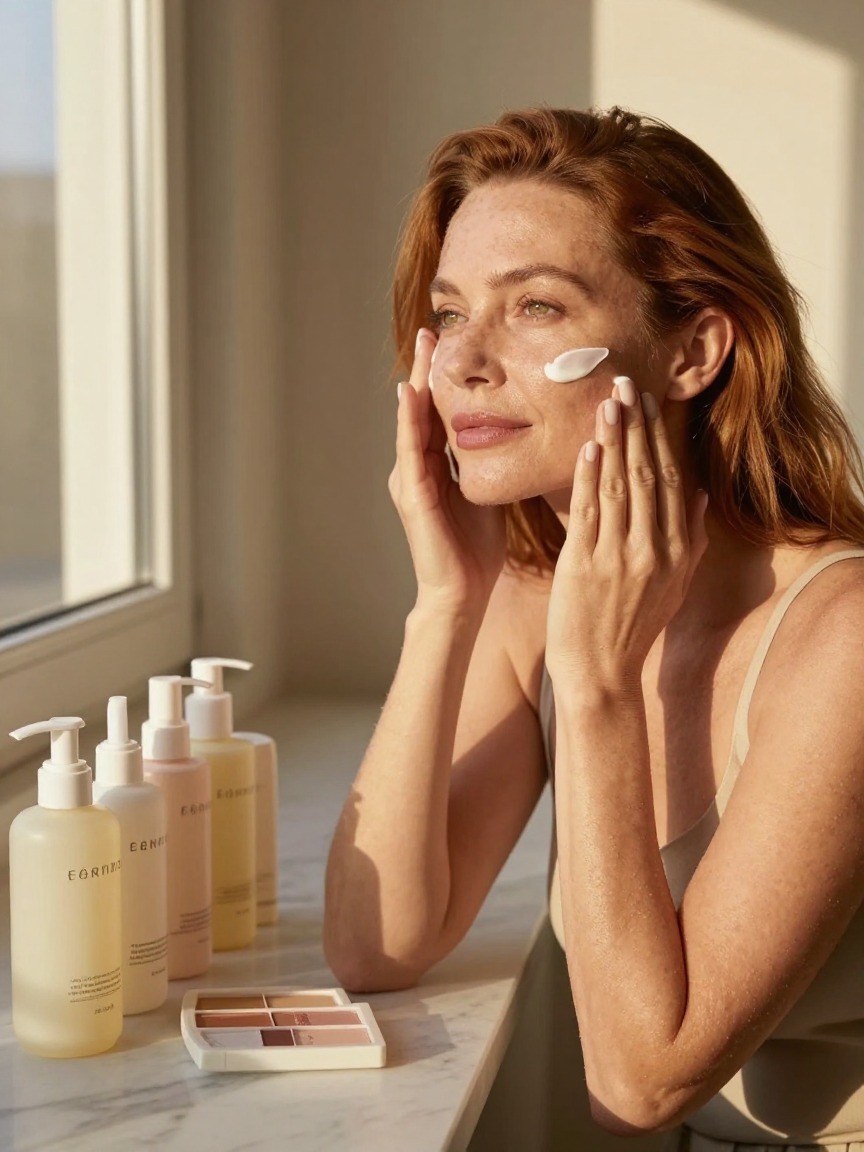
A sheet mask essence is mostly water and humectants like hyaluronic acid. Without a moisturizer to seal that hydration in, a meaningful portion evaporates back out within an hour or two, especially in dry or air-conditioned rooms. A regular moisturizer, applied within a few minutes of removing the mask, does more to make the hydration last than extra essence would. Treating the mask as the final step, instead of the layer before moisturizer, is one of the most common mistakes people make.

How often, plus storage and travel tips

Two to three sessions a week is a sensible frequency for most people chasing ongoing hydration. Daily masking doesn't meaningfully compound the effect and mostly just uses up product faster. For an occasion—before an event, after a long flight—a single mask is a reasonable exception to that lower regular frequency. For storage, keep unopened sheet masks somewhere cool and out of direct sunlight; heat can degrade delicate ingredients faster than the printed expiration date suggests. They're genuinely useful for travel, since cabin air is notably dehydrating, but pack them so the pouch stays sealed until you're ready to use it.
You may be interested in

Popular picks from related categories, chosen with the same rubric.

Editor's Pick #1
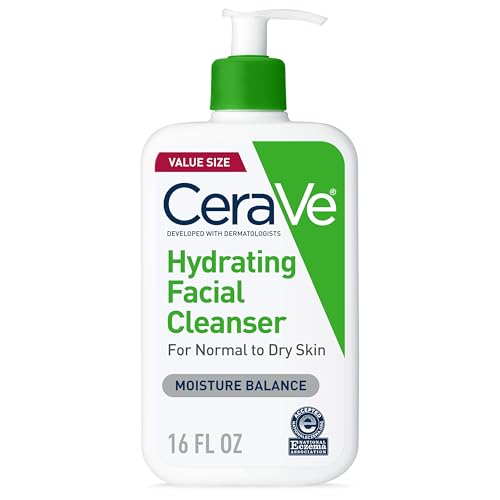
Hydrating Facial Cleanser
Dry-to-normal sensitive skin, especially anyone also using retinoids or other actives

Hydrating Facial Cleanser

CeraVe

It's formulated with three ceramides, hyaluronic acid, and a National Eczema Association seal. Dermatologists mention it most often for reactive skin. It's a genuinely non-foaming, low-irritation formula that doesn't strip the barrier.

Ceramide and hyaluronic acid formula supports the skin barrier while cleansing
Fragrance-free, non-foaming, and won't disrupt a compromised moisture barrier
Budget-friendly per ounce and widely available at drugstores
Doesn't fully dissolve heavy sunscreen or long-wear makeup on its own, so double-cleansing days may need a micellar water or oil-based first step
Best Value #2
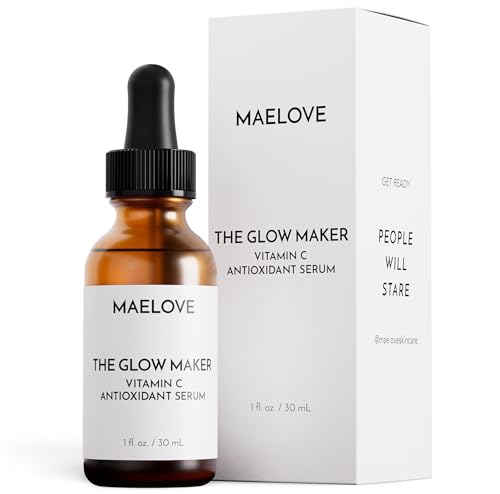
Glow Maker
Readers who want a well-formulated L-ascorbic acid serum without the prestige price tag

Glow Maker

Maelove

It leans on similar formulation logic to pricier serums: L-ascorbic acid plus vitamin E and ferulic acid. It costs a fraction of the price. That's why it's often called an affordable alternative to the prestige options.

Combines L-ascorbic acid with vitamin E and ferulic acid, echoing higher-end formulas
Opaque pump bottle helps limit light and air exposure
Noticeably cheaper per ounce than most L-ascorbic acid serums of similar formulation
The pump can dispense unevenly or feel like it needs priming, a minor but frequently mentioned annoyance
Editor's Pick #1
Moisturizing Cream
Normal to dry skin that wants a dermatologist-developed, fragrance-free daily moisturizer

CeraVe Moisturizing Cream

CeraVe

It pairs three essential ceramides with hyaluronic acid in a rich, fragrance-free base. Long-term users with dry, compromised skin consistently praise it. It's also inexpensive enough to use liberally.

Ceramide + hyaluronic acid formula supports the skin barrier
Fragrance-free and well-tolerated by sensitive skin
Large jar size makes it very cost-effective per ounce
The tub packaging means dipping fingers into the product, which isn't ideal for hygiene or portability
Editor's Pick #1
UV Clear Broad-Spectrum SPF 46
acne-prone, sensitive, or post-procedure skin that needs a dermatologist-trusted daily option

UV Clear Broad-Spectrum SPF 46

EltaMD

Dermatologists reach for EltaMD more than almost any other sunscreen. It pairs broad-spectrum zinc oxide protection with niacinamide and hyaluronic acid. The oil-free base is genuinely weightless and layers well under makeup.

Broad-spectrum SPF 46 with zinc oxide
Oil-free, non-comedogenic formula favored for acne-prone skin
Contains niacinamide and hyaluronic acid for added hydration
Pricier per ounce than most drugstore sunscreens, and the pump makes it easy to under-apply if you're not deliberate about the amount.
Editor's Pick #1
Skin Perfecting 2% BHA Liquid Exfoliant
Anyone dealing with clogged pores, blackheads, or rough, bumpy texture who wants an evidence-backed exfoliating toner

2% BHA Liquid Exfoliant

Paula's Choice

It's built around a well-studied 2% salicylic acid concentration at an effective pH. The base is fragrance-free and alcohol-free. That combination is why it's stayed a favorite among ingredient-focused shoppers for years, rather than fading as a trend.

2% salicylic acid at a pH that actually works
Fragrance-free and alcohol-free formula
Noticeably improves texture and blackheads with consistent use
The active concentration can cause redness or flaking in the first couple of weeks, so it's not the easiest starting point for very reactive or rosacea-prone skin
Editor's Pick #1
Contour Face
people who want the most clinically studied LED mask on the market and don't mind the price

Contour Face

Omnilux

Omnilux's LED technology is the same platform used in dermatology clinics. The Contour Face is its rigid, dermatologist-favorite home version, and it has more research behind it than most at-home competitors.

Extensive clinical research behind Omnilux's LED platform, more than most home devices
FDA-cleared for temporary reduction in the appearance of fine lines and wrinkles
Even, consistent light distance thanks to the rigid, hinged design
Rigid shell doesn't flex to different face shapes, there's no blue-light setting for acne, and it's one of the most expensive masks on the market

Affiliate disclosure: We may earn a commission from qualifying purchases made through links on this page, at no extra cost to you. Some links on this page are affiliate links.