

Skip to content
Hydrating Sheet Masks · Deep dive

Sheet Mask Ingredients That Matter

Reading a sheet mask ingredient list that matters

Sheet mask marketing leans hard on single "hero" ingredients. Think snail mucin, gold, or caviar—whatever's trending. But an essence's real hydrating power comes from a shorter ingredient list. It's usually a handful of well-studied humectants in the first half of the label. Learning to spot those matters more than chasing a trending ingredient.

Hyaluronic acid and sodium hyaluronate at different molecular weights

Hyaluronic acid is sometimes listed as sodium hyaluronate. It can hold far more water than its own weight. That makes it the most common headline ingredient in hydrating sheet masks. Different molecular weights behave differently. Smaller molecules penetrate a little deeper into skin's surface layers. Larger ones sit more on top, drawing moisture there instead. Masks that list multiple forms of hyaluronic acid usually aim to hydrate at more than one depth. Drugstore picks from Neutrogena and Garnier tend to keep it simple, with one or two forms. Splurge picks from SK-II and Dr. Jart+ often layer several forms together.

Glycerin: unglamorous and genuinely effective

Glycerin rarely gets marketed as a hero ingredient. It's cheap and unglamorous. But it's one of the most consistently effective humectants available. It works well alongside hyaluronic acid, rather than competing with it. A mask that includes both is usually a stronger, more well-rounded formula than one relying on hyaluronic acid alone. If glycerin sits high on an ingredient list, that's a good sign, not a downgrade.

Panthenol and centella asiatica (cica) for calming hydration

Panthenol is also called provitamin B5. It's a humectant with a mild soothing effect. That's part of why it shows up so often in masks aimed at sensitive skin. Centella asiatica extract is sometimes labeled cica. It pairs hydration with calming properties. It's become a mainstay in Korean beauty formulas from brands like innisfree and TONYMOLY. Neither ingredient replaces treatment for an actual skin condition. Both are worth looking for if your skin runs sensitive alongside dry.

Ceramides and squalane lock hydration into the skin barrier

Ceramides are lipids that occur naturally in the skin barrier. Adding them back through a mask helps that barrier hold moisture in. That's different from just adding water that evaporates within a few hours. Squalane is a stable, lightweight oil, derived mostly from plants now. It works similarly but differently. It doesn't pull water in the way hyaluronic acid does. Instead, it helps seal the surface so water already there doesn't leave as fast. Masks that combine humectants with either ingredient tend to leave skin feeling comfortable well after removal.

Niacinamide as a secondary hydrating ingredient

Niacinamide shows up in a lot of hydrating masks as a secondary ingredient. It's there mainly for tone and texture, not hydration specifically. It's generally well tolerated. At higher concentrations, though, some people find it mildly irritating when layered with other actives. That's worth noting if a mask stings unexpectedly and niacinamide sits high on the panel.

Alcohol denat, fragrance & essential oils worth a second look

  • Alcohol denat (denatured alcohol, listed early in the ingredient list) works against a hydrating formula's whole purpose. It can be drying with repeated use.
  • Fragrance increases the odds of irritation. A sheet mask's long contact time raises that risk higher than a rinse-off product.
  • Essential oils high on the list can be sensitizing for reactive skin, even when marketed as "natural" or "clean."

The bottom line: hero ingredients vs proven humectants

A genuinely effective hydrating sheet mask doesn't need exotic hero ingredients. Hyaluronic acid and glycerin cover most of the work. Panthenol, centella asiatica, ceramides, or squalane round out a good formula. Trendy hero ingredients aren't necessarily bad. But they rarely do more than well-studied humectants already accomplish. Checking where an ingredient lands on the list tells you more than the front-of-pack claim.
You may be interested in

Popular picks from related categories, chosen with the same rubric.

Editor's Pick #1
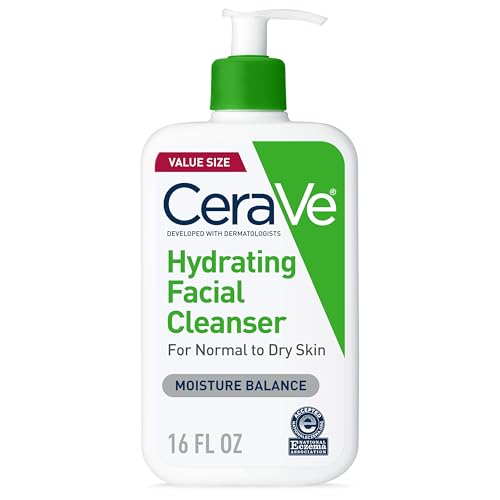
Hydrating Facial Cleanser
Dry-to-normal sensitive skin, especially anyone also using retinoids or other actives

Hydrating Facial Cleanser

CeraVe

It's formulated with three ceramides, hyaluronic acid, and a National Eczema Association seal. Dermatologists mention it most often for reactive skin. It's a genuinely non-foaming, low-irritation formula that doesn't strip the barrier.

Ceramide and hyaluronic acid formula supports the skin barrier while cleansing
Fragrance-free, non-foaming, and won't disrupt a compromised moisture barrier
Budget-friendly per ounce and widely available at drugstores
Doesn't fully dissolve heavy sunscreen or long-wear makeup on its own, so double-cleansing days may need a micellar water or oil-based first step
Best Value #2
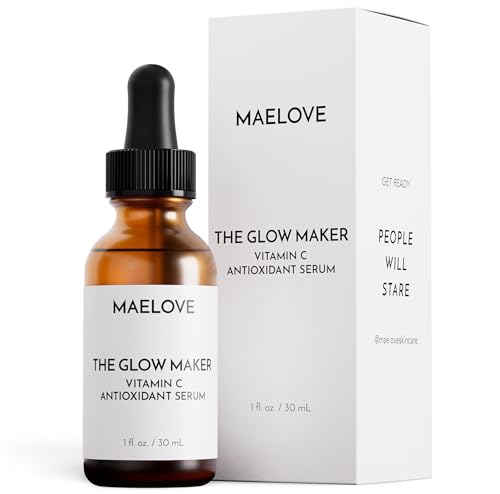
Glow Maker
Readers who want a well-formulated L-ascorbic acid serum without the prestige price tag

Glow Maker

Maelove

It leans on similar formulation logic to pricier serums: L-ascorbic acid plus vitamin E and ferulic acid. It costs a fraction of the price. That's why it's often called an affordable alternative to the prestige options.

Combines L-ascorbic acid with vitamin E and ferulic acid, echoing higher-end formulas
Opaque pump bottle helps limit light and air exposure
Noticeably cheaper per ounce than most L-ascorbic acid serums of similar formulation
The pump can dispense unevenly or feel like it needs priming, a minor but frequently mentioned annoyance
Editor's Pick #1
Moisturizing Cream
Normal to dry skin that wants a dermatologist-developed, fragrance-free daily moisturizer

CeraVe Moisturizing Cream

CeraVe

It pairs three essential ceramides with hyaluronic acid in a rich, fragrance-free base. Long-term users with dry, compromised skin consistently praise it. It's also inexpensive enough to use liberally.

Ceramide + hyaluronic acid formula supports the skin barrier
Fragrance-free and well-tolerated by sensitive skin
Large jar size makes it very cost-effective per ounce
The tub packaging means dipping fingers into the product, which isn't ideal for hygiene or portability
Editor's Pick #1
UV Clear Broad-Spectrum SPF 46
acne-prone, sensitive, or post-procedure skin that needs a dermatologist-trusted daily option

UV Clear Broad-Spectrum SPF 46

EltaMD

Dermatologists reach for EltaMD more than almost any other sunscreen. It pairs broad-spectrum zinc oxide protection with niacinamide and hyaluronic acid. The oil-free base is genuinely weightless and layers well under makeup.

Broad-spectrum SPF 46 with zinc oxide
Oil-free, non-comedogenic formula favored for acne-prone skin
Contains niacinamide and hyaluronic acid for added hydration
Pricier per ounce than most drugstore sunscreens, and the pump makes it easy to under-apply if you're not deliberate about the amount.
Editor's Pick #1
Skin Perfecting 2% BHA Liquid Exfoliant
Anyone dealing with clogged pores, blackheads, or rough, bumpy texture who wants an evidence-backed exfoliating toner

2% BHA Liquid Exfoliant

Paula's Choice

It's built around a well-studied 2% salicylic acid concentration at an effective pH. The base is fragrance-free and alcohol-free. That combination is why it's stayed a favorite among ingredient-focused shoppers for years, rather than fading as a trend.

2% salicylic acid at a pH that actually works
Fragrance-free and alcohol-free formula
Noticeably improves texture and blackheads with consistent use
The active concentration can cause redness or flaking in the first couple of weeks, so it's not the easiest starting point for very reactive or rosacea-prone skin
Editor's Pick #1
Contour Face
people who want the most clinically studied LED mask on the market and don't mind the price

Contour Face

Omnilux

Omnilux's LED technology is the same platform used in dermatology clinics. The Contour Face is its rigid, dermatologist-favorite home version, and it has more research behind it than most at-home competitors.

Extensive clinical research behind Omnilux's LED platform, more than most home devices
FDA-cleared for temporary reduction in the appearance of fine lines and wrinkles
Even, consistent light distance thanks to the rigid, hinged design
Rigid shell doesn't flex to different face shapes, there's no blue-light setting for acne, and it's one of the most expensive masks on the market

Affiliate disclosure: We may earn a commission from qualifying purchases made through links on this page, at no extra cost to you. Some links on this page are affiliate links.