Hyaluronic acid, glycerin & other humectants that hydrate
A sheet mask is a delivery system. It's a cotton, cellulose, hydrogel, or biocellulose sheet cut to fit a face, pre-soaked in a hydrating essence. The sheet holds that essence against skin for 10–20 minutes. That gives the humectant and emollient ingredients time to work into the surface layers, instead of evaporating off the way a quick-applied serum would. Hyaluronic acid is the headline humectant in most hydrating sheet masks, pulling water into skin's surface. Glycerin does similar work and is often underrated—cheap, effective, and a good sign a formula isn't relying on hyaluronic acid alone. The hydration boost you see right after removal is real but largely temporary. Skin looks plumper because the outer layer has absorbed extra water, not because anything has restructured the skin barrier long-term.
Sheet material: cotton sheets, biocellulose & hydrogel compared
- Cotton/cellulose — the most common, affordable option; holds a decent amount of essence but can dry out or slip if left on too long.
- Biocellulose — a denser, gel-like material that conforms tightly to facial contours and holds significantly more essence; usually costs more.
- Hydrogel — a two-piece water-based gel sheet, cooling on application and very high in essence content, but can be trickier to apply evenly and pricier per use.
- Microfiber — thinner and lighter, adheres well but tends to dry out faster than cotton or biocellulose.
Panthenol, centella asiatica & calming picks for sensitive skin
Panthenol (provitamin B5) and centella asiatica extract show up often in soothing-hydrating blends. They can help calm mild redness alongside the hydration. Sensitive or reactive skin does best with short ingredient lists and fragrance-free options. A mask left on skin for 15–20 minutes gives any irritant more contact time than a quick-rinse product would.
Ceramides, squalane & locking hydration into dry skin and dehydrated skin
Ceramides and squalane, when present, help lock the water in rather than just adding it. That matters more for how skin feels the next morning than how it looks right after removal. Dry skin, dehydrated skin, dull, or travel-fatigued skin sees the most obvious payoff. Oily skin can still use a hydrating sheet mask occasionally—dehydration and oiliness aren't mutually exclusive—but should look for lighter, non-comedogenic formulas rather than heavier cream-based ones.
Essence quality, fragrance-free formulas & what to avoid
Be wary of masks that lean heavily on fragrance or alcohol high on the ingredient list. Both work against the hydrating goal for sensitive or dry skin. A well-saturated essence pouch is a good sign—if the sheet feels barely damp out of the packet, it likely won't deliver much.
Who gets the best plumping effect and dewy finish
The plumping effect and dewy finish people notice right after a mask fade within hours. That's fine for a pre-event boost, but don't expect it to last into the next day. Combination skin generally does fine with a standard hydrating formula applied everywhere.
Common mistakes
- Leaving a sheet mask on until it's dry—once it stops feeling wet, it can pull moisture back out of skin instead of adding it.
- Skipping moisturizer afterward, assuming the mask alone "sealed in" enough hydration—most essences need a moisturizer on top to actually lock the water in.
- Masking daily expecting compounding results—two to three times a week is plenty for most people; the skin barrier doesn't need constant re-soaking.
- Saving leftover essence from an opened pouch for days later, once it's been exposed to air.
Drugstore picks, Korean skincare splurges & the moisturizer step after
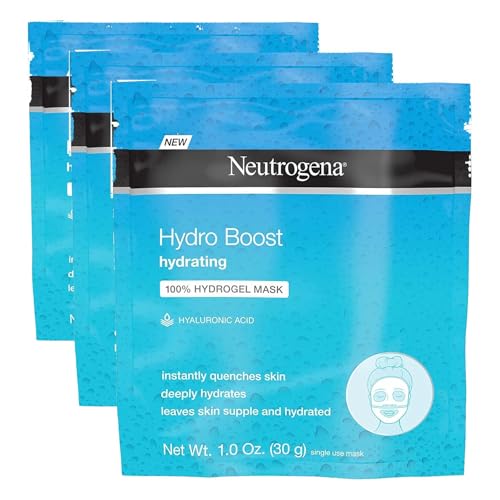
Drugstore options like Neutrogena and Garnier deliver genuine hydration at a low per-mask cost. Korean skincare brands like innisfree and TONYMOLY sit in a similar price range but lean into simpler, shorter ingredient lists. Splurge picks like SK-II cost more per mask, but the essence saturation and fit are noticeably better. Whichever tier you choose, follow with moisturizer to lock in what the mask added.
Singles, multipacks and per-use cost: how to buy
Because a sheet mask is single-use, per-mask price matters more here than in most categories. If you'll mask two or three times a week, a value multipack from a brand like Garnier or a Korean staple like TONYMOLY keeps the habit affordable; save a single luxury mask such as SK-II's for a one-off pre-event boost rather than a routine. Where you can, buy one before committing to a box — check the sheet arrives well-saturated, the cut fits your face, and the essence doesn't sting. Let the occasion decide between an everyday hydrogel like Neutrogena's, a short-ingredient aloe option for sensitive skin, and an intensive hydrogel like Dr. Jart+'s before travel.