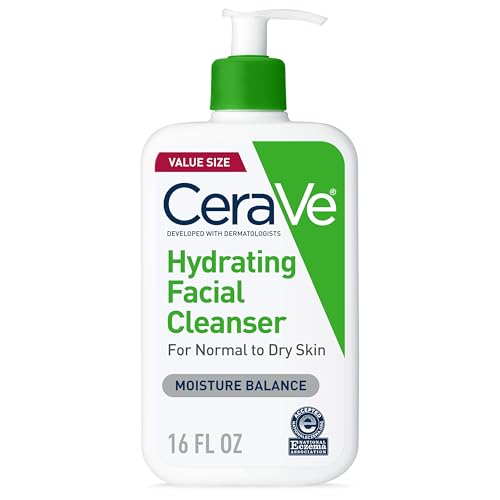












The right order: vitamin C serum, cleanser & moisturizer routine
Vitamin C works best applied to clean, dry skin, before heavier products. The general order is: cleanser, optional toner, vitamin C serum, moisturizer, then sunscreen. Applying it to a damp face can dilute the formula and change how evenly it absorbs. Pat your skin dry first, rather than applying straight out of the shower.
How much to use
Most vitamin C serums are concentrated enough that a small amount goes a long way. Three to five drops, or a single pump, covers the full face and neck. Using more doesn't speed up results. It mostly means going through the bottle faster and increasing the odds of pilling.
Morning vs. evening: sunscreen, layering & antioxidant timing
Vitamin C is most commonly recommended as a morning step. Its antioxidant properties help counter free-radical exposure that builds up over the day. That exposure comes from UV light and pollution. It also pairs directly with the sunscreen you should already be applying afterward. Some people use it at night instead. That's often because a formula feels less compatible with makeup, or because they're layering other AM actives. Either way, consistency matters more than the exact hour.
Patch testing for sensitive skin before you commit
Before applying any new vitamin C serum to your whole face, patch test first. Apply a small amount to the inner forearm once a day for three to five days. Watch for redness, itching, or breakouts. This matters more with higher-percentage L-ascorbic acid formulas. They're more likely to cause a reaction on sensitive skin or a compromised skin barrier. If your face has any active irritation, wait until it's calmed down before introducing a new active.
Introducing L-ascorbic acid gradually without irritation
Even for skin that tolerates actives well, easing in reduces the chance of irritation. A common approach: use it every other day for the first one to two weeks. Then move to daily use once your skin shows no signs of sensitivity. Watch for stinging that doesn't fade within a minute or two, persistent redness, or flaking. A gentler derivative-blend option, like the Naturium Vitamin C Complex Serum, can make this transition easier.
Layering with niacinamide, hyaluronic acid, retinol & exfoliating acid
Vitamin C generally layers fine with hyaluronic acid, niacinamide, and peptides. It's the combination with strong exfoliating acids or retinol that needs more care. That's mostly because stacking multiple actives at once raises the overall irritation load. It's not because the ingredients chemically cancel each other out - that was an older assumption. The more practical approach most dermatologists suggest now is separating them by time of day. Use vitamin C in the morning, and a retinol or exfoliating acid at night.
Storage & oxidation: keeping it from going to waste
Keep the bottle somewhere cool, dark, and dry - a drawer or cabinet works well. Avoid a sunny windowsill or a steamy bathroom shelf. Keep the cap tightly closed between uses to limit air exposure. If your serum comes in a jar without a pump, decant a small amount instead of dipping fingers in. Repeated dipping introduces bacteria and speeds up oxidation. A serum in UV-protective amber glass, like SkinCeuticals C E Ferulic, resists this longer than one in a clear bottle. Good storage matters: most opened vitamin C serums are best used within three to six months. If the formula darkens noticeably or starts to smell off before then, replace it. That's true no matter how much is left in the bottle.
Signs you're using it wrong: pilling & irritation
- Persistent stinging or redness that doesn't settle after the first few uses. Scale back frequency or switch to a gentler derivative.
- Applying it under a heavy moisturizer before it's had time to absorb, which can cause pilling.
- Using a serum that's visibly oxidized (dark yellow, orange, or brown) and expecting full potency.
- Skipping sunscreen on the assumption that the vitamin C serum provides enough protection on its own.