L-ascorbic acid vs. ascorbyl glucoside, sodium ascorbyl phosphate & THD ascorbate
The active ingredient to look for is L-ascorbic acid. It's the form with the most research behind it for brightening and antioxidant protection. It's also the least stable and the most likely to irritate. That's why many brands use gentler derivatives instead. Common options include sodium ascorbyl phosphate, magnesium ascorbyl phosphate, ascorbyl glucoside, and tetrahexyldecyl ascorbate (THD ascorbate). Those derivatives are more stable and easier on sensitive skin. But the research supporting their effectiveness is thinner than for pure L-ascorbic acid.
Concentration: why more isn't always better
Most well-formulated serums sit between 5% and 20% vitamin C. Above roughly 20%, there's little evidence of added benefit. The irritation risk climbs instead. If you're new to vitamin C or have reactive skin, start around 10%. Building tolerance from there is more realistic than reaching for the highest percentage on the shelf.
pH, vitamin E & ferulic acid: what boosts stability
L-ascorbic acid needs a low pH, roughly 3.5, to penetrate skin effectively. That's also why it can sting on first use, especially near the eyes or on compromised skin. Derivative forms work at a more neutral, skin-friendlier pH, trading some potency for comfort. Many of the best formulas pair L-ascorbic acid with vitamin E and ferulic acid. That combination is shown to improve stability and antioxidant effect.
Oxidation & packaging: how to spot a serum going bad
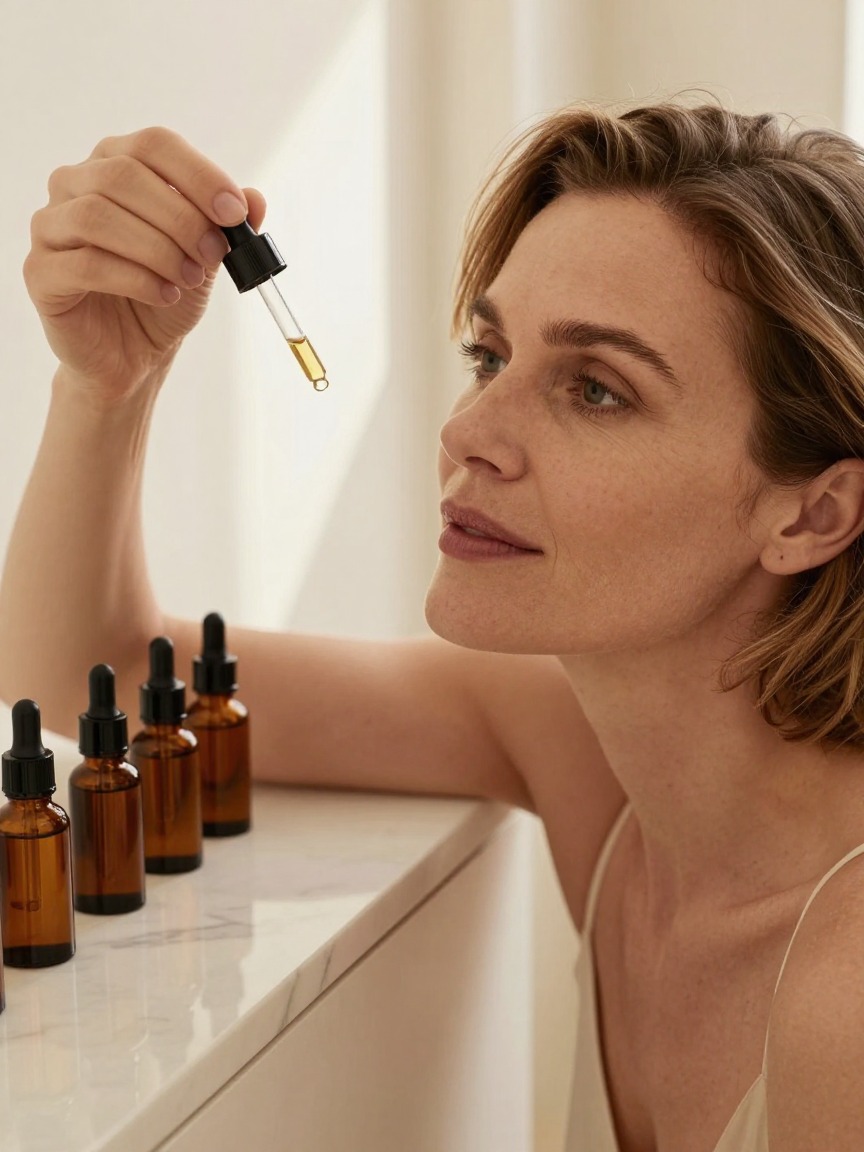
Vitamin C oxidizes on contact with air and light. A fresh L-ascorbic acid serum is usually clear to pale yellow. As it degrades, it turns golden, then orange, then brown, and loses potency. It can also become more irritating as it does. Opaque or amber glass bottles, airless pumps, and cool, dark storage all slow this down. A serum that's turned dark brown is past its useful life, even if the bottle isn't empty.
Brightening dark spots, hyperpigmentation & antioxidant defense
- Dull, uneven skin tone, or anyone looking for a brighter complexion
- Post-inflammatory marks or sun-related dark spots and hyperpigmentation, as a supporting step rather than a treatment
- Anyone wanting extra antioxidant support under daily sunscreen
- Sensitive or reactive skin - look for a derivative form and lower percentage, not pure L-ascorbic acid
Common mistakes: skipping sunscreen & other pitfalls
- Buying based on the highest percentage rather than the formulation as a whole
- Leaving the bottle in direct sunlight or a hot bathroom, which speeds up oxidation
- Expecting vitamin C to replace sunscreen - it supports daily SPF, but doesn't substitute for it
- Layering it with strong actives, like high-percentage acids or retinoids, in the same step without easing in first
None of this replaces a dermatologist's advice. See a dermatologist if you have a diagnosed skin condition or are on prescription treatment. The same goes if a reaction doesn't settle on its own. Vitamin C serums are a cosmetic step, not a medical one.
Matching a Vitamin C Serum to Your Skin and Budget
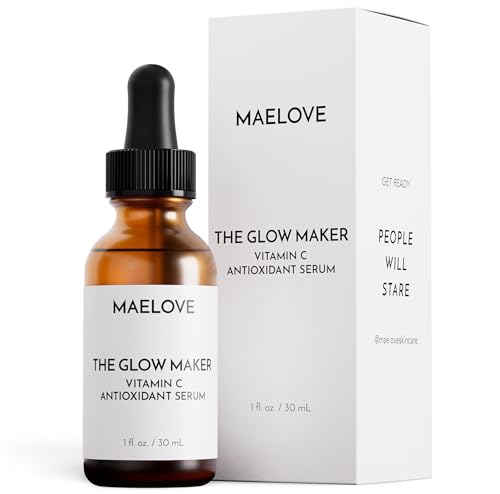
Choose around your skin's tolerance and how much upkeep you will realistically manage. If you want the most researched, gold-standard formula and don't mind the price, a prestige L-ascorbic acid serum like the one from SkinCeuticals is the reference point others get compared to. Want most of that performance for far less? A well-formulated alternative from a brand like Maelove delivers a serious L-ascorbic acid formula without the prestige markup. Reactive or easily stung skin that still wants true L-ascorbic acid should look to a lower-percentage, dermatologist-brand pick such as La Roche-Posay's. If your routine is already dry or barrier-stressed, a gentler vitamin C paired with supportive ingredients, like the CeraVe option, keeps the step from tipping you into irritation. First-timers can test the waters with a milder complex from a brand like Naturium before committing.
Where Your Money Actually Goes
With vitamin C you are partly paying for stability, not just the active. A cheap, high-percentage L-ascorbic acid serum such as the 20% option from a brand like Timeless can perform well, but it typically oxidizes faster and asks you to buy small and use it quickly. More expensive formulas usually invest in better packaging, antioxidant partners, and a more stable base, which is what you are really paying the premium for. Decide honestly whether you will store it well and finish it fast; if not, a smaller, cheaper bottle you replace often beats a large pricey one you let turn brown. As a rule of thumb, match bottle size to how fast you go through actives, so you are paying for vitamin C you use rather than vitamin C that spoils on the shelf.