
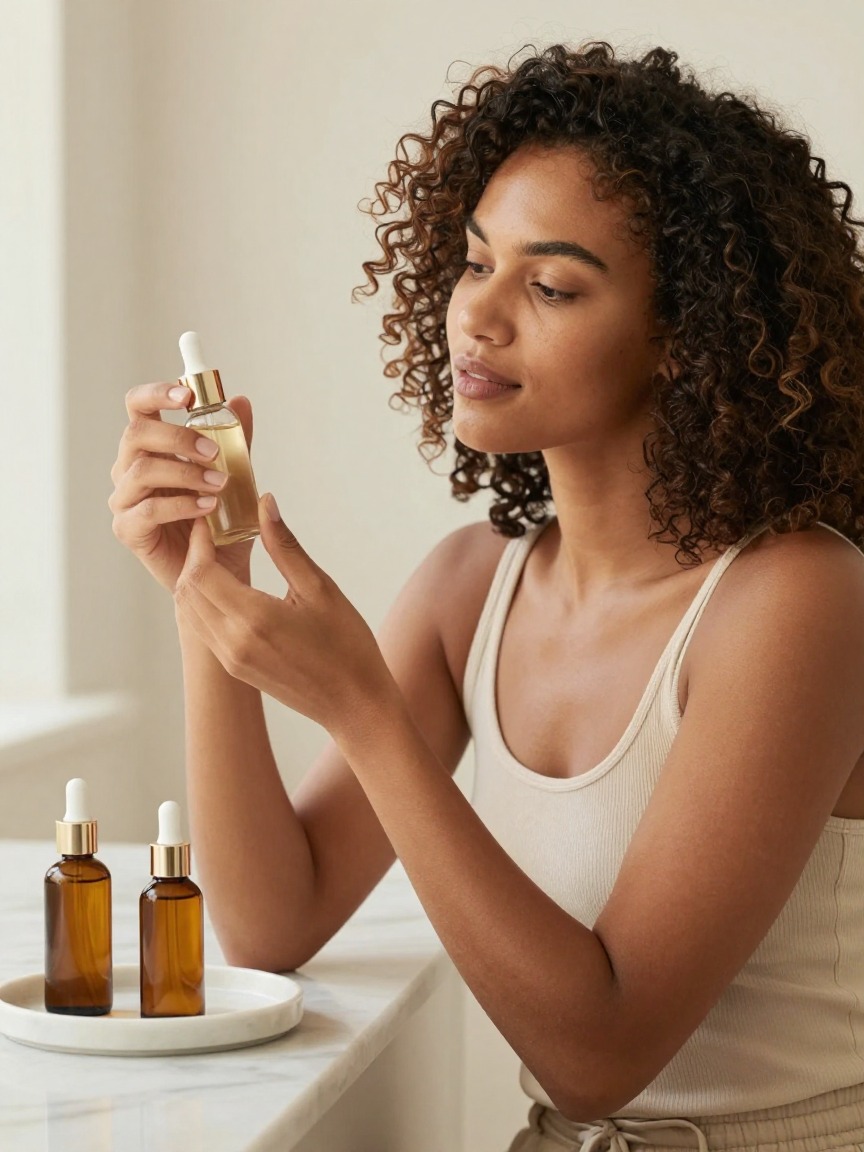
Three Steps, Three Different Jobs
Toner, essence, and serum sit back-to-back in a routine. The boundaries between them get blurry fast. Plenty of toners are essence-thick. Plenty of essences behave more like light serums. But there's a genuine logic underneath the marketing. The essence vs toner question gets much easier once you see that logic. Understanding it helps you figure out which of the three, or which combination, your routine actually needs.
Toner: The Prep Layer — the Job of a Hydrating Toner
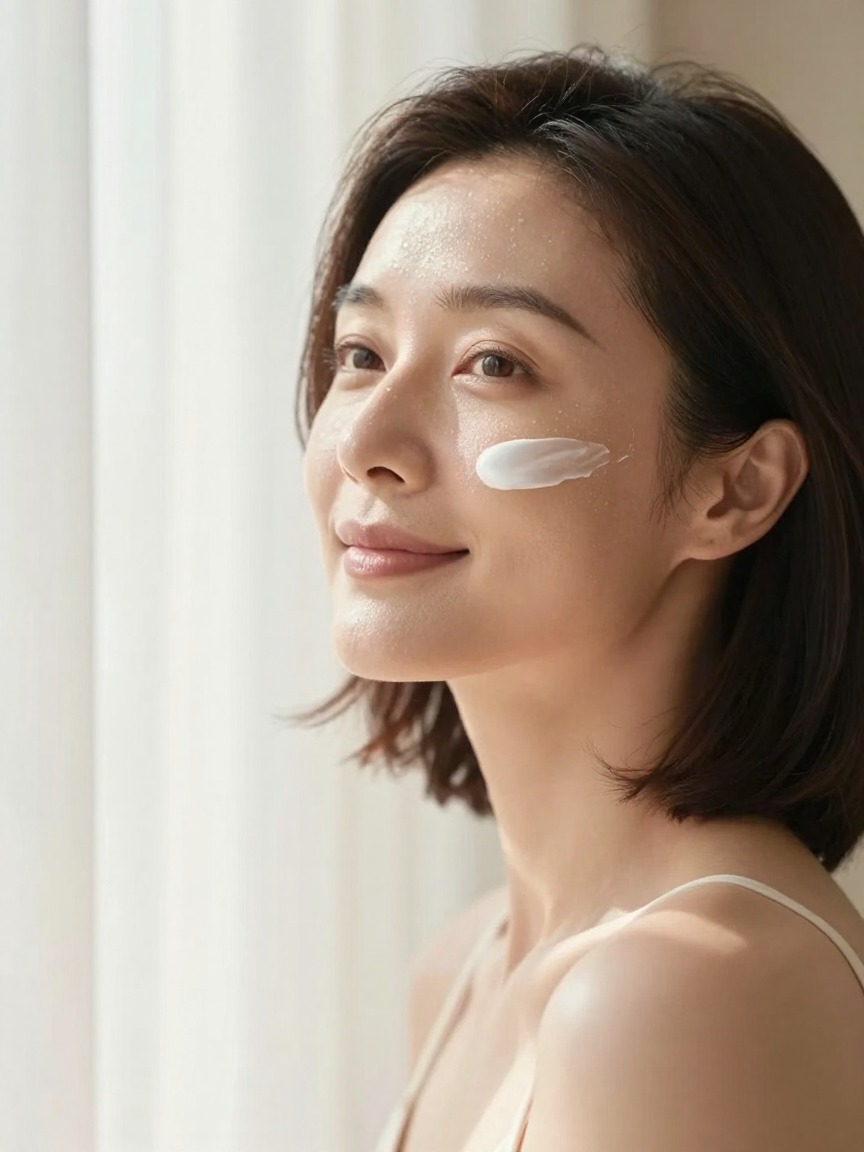
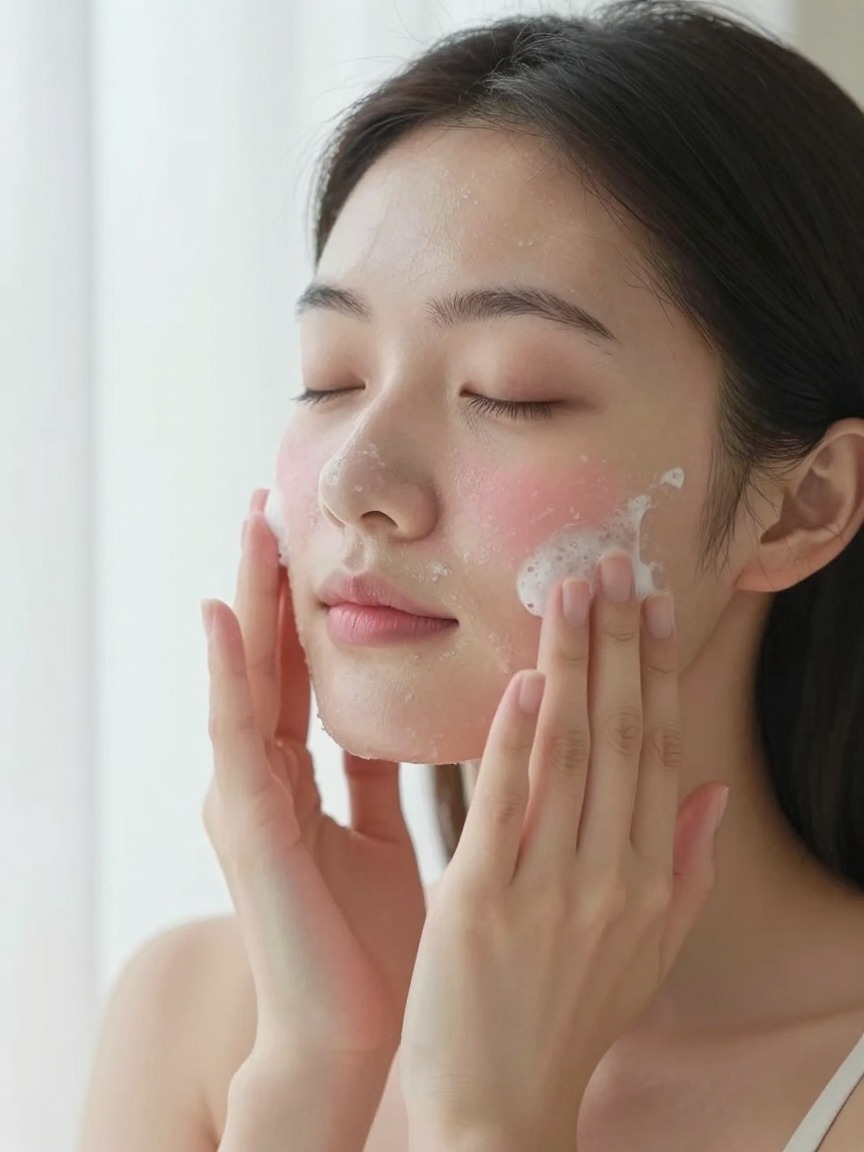
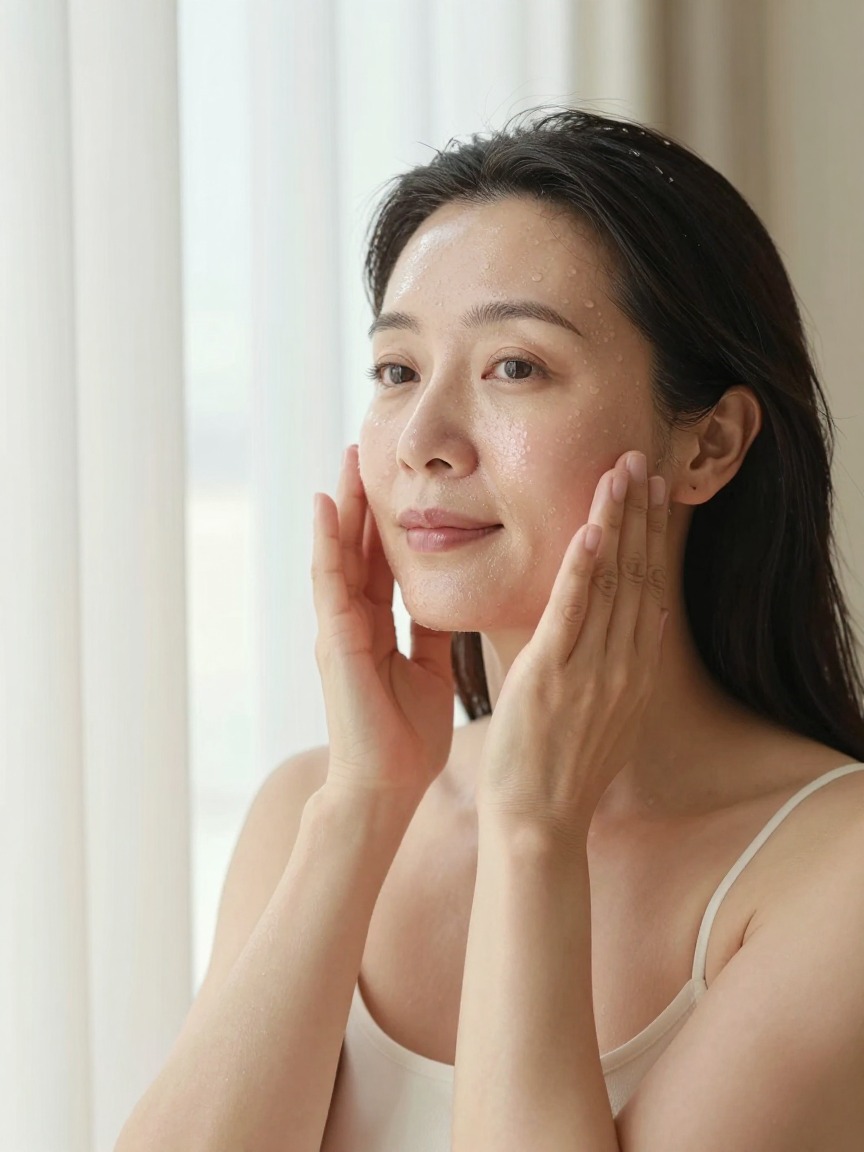
A modern hydrating toner is the thinnest of the three. You apply it first, right after cleansing. Its job is narrow and specific. It rebalances skin after washing. It delivers a first pass of humectants to skin that's just been stripped of its surface oils. Hyaluronic acid, glycerin, and betaine are the usual ones. A toner like Hada Labo's Gokujyun Lotion is built almost entirely around hyaluronic acid. That's why it works as a simple starting point. Klairs' Supple Preparation Toner is another gentle, humectant-forward option. Texture-wise, it's usually watery enough to apply with a cotton pad or splash into the hands. It absorbs in seconds. It's not meant to deliver a concentrated dose of any single active ingredient. It's meant to set the stage for everything that comes after it.
Essence: The Bridge Step — Fermented Filtrate: Galactomyces, Snail Mucin, Rice Ferment & Humectants
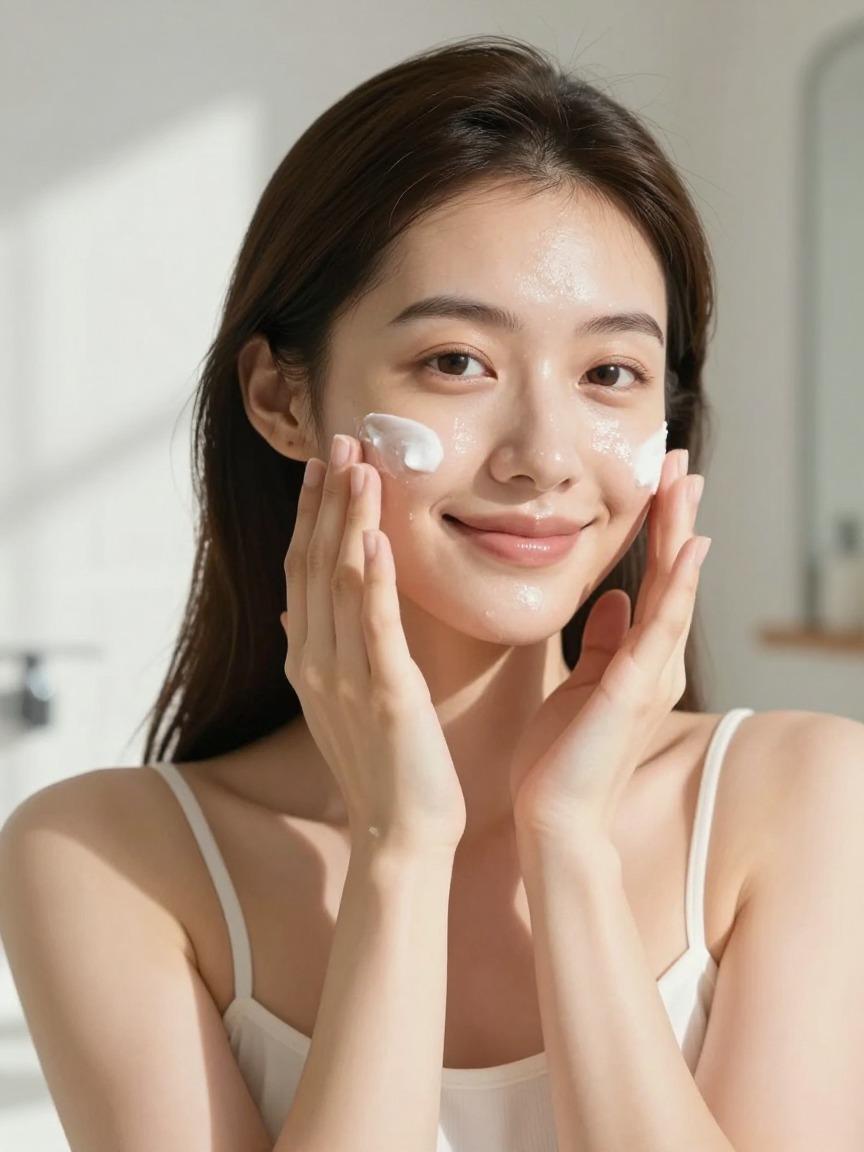
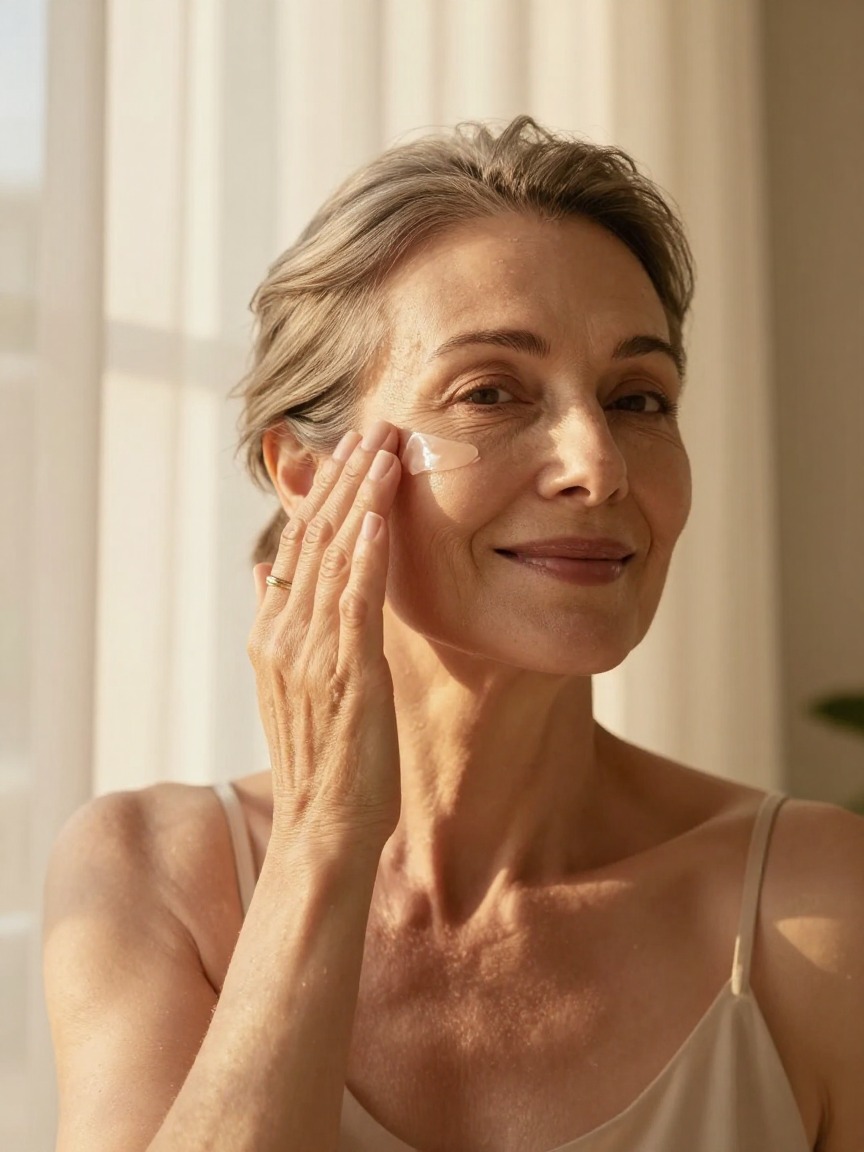
An essence sits between toner and serum in both texture and function. It's typically a notch thicker than a toner but still lighter than a serum. It's almost always patted in by hand rather than swept on with a pad. Essences distinguish themselves through ingredient concentration and format. Many are built around a fermented filtrate, such as galactomyces, rice ferment, or snail mucin. They're formulated for consistent use over weeks rather than an immediate, single-use effect. COSRX's snail mucin essence and SK-II's Pitera-based essence are two well-known examples of the format. Laneige's essence lineup is another popular take on it. The category has Korean and Japanese roots. The essence step has been a routine staple there for decades longer than in Western skincare marketing. Functionally, an essence does two things. It adds a second layer of hydration on top of what the toner delivered. It also introduces a fermented or lightly active ingredient meant to work on texture and tone gradually.
Serum: The Concentrated Delivery Step — Niacinamide, Vitamin C & Active Ingredients
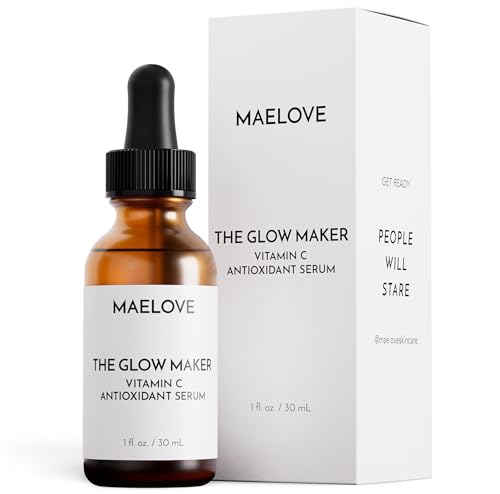
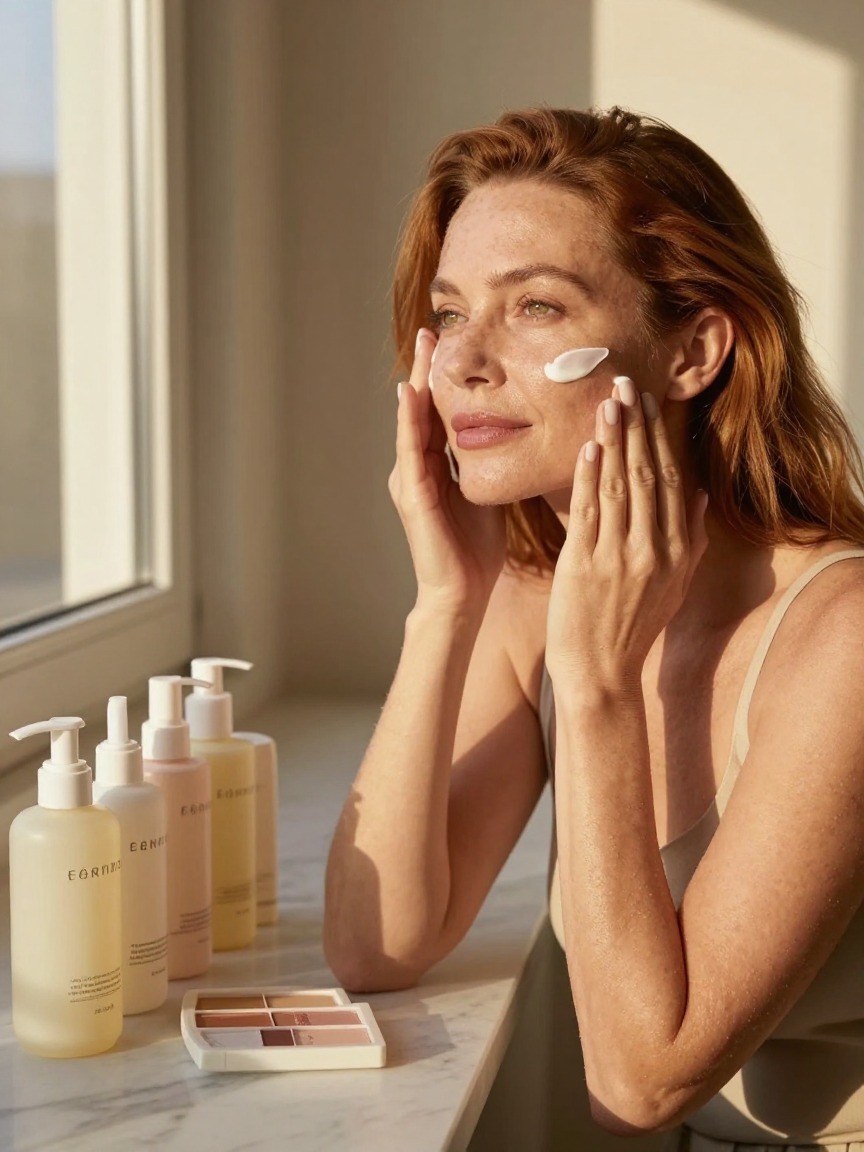
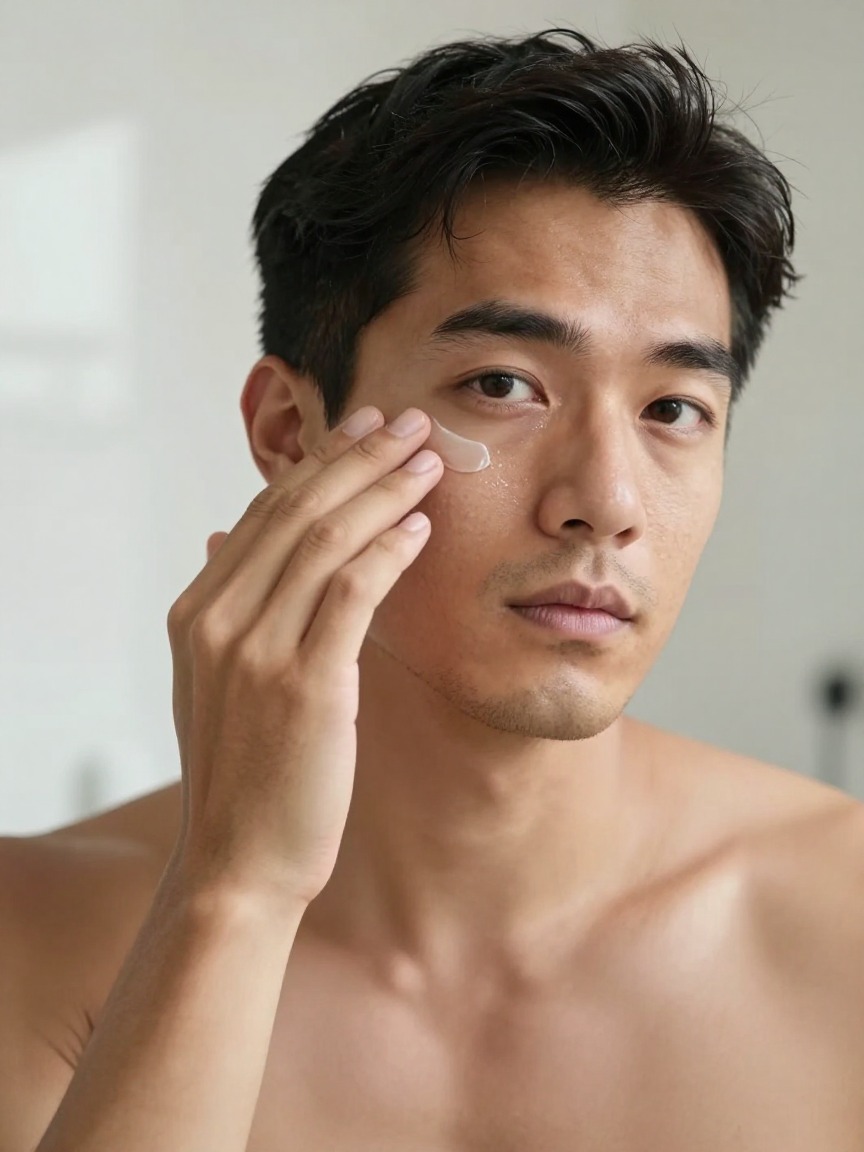
A serum is where the actual treatment ingredients live. Vitamin C, niacinamide, retinoids, and peptides are targeted concentrations of specific active ingredients. Each aims at a specific concern, like brightening, fine lines, texture, or redness. Serums are formulated to be more concentrated. They're often more expensive per ounce than either a toner or essence. That's because the research and active-ingredient investment goes there. Texturally, serums vary more than toners or essences. Some are watery, some are gel, and some are oil-based. The format follows whatever best delivers that specific active ingredient, rather than a hydration-and-prep mandate.
The Overlap Problem: Concentration & Texture, Not Labels
Here's where it gets genuinely confusing. Plenty of products blur these categories on purpose. Some essences are formulated closer to serums, with a meaningful concentration of a single active ingredient. Brightening essences built around niacinamide or vitamin C derivatives are common. Some toners, particularly ones marketed at a premium price point, are essence-thick and essence-priced. Fresh's rose-based toner sits at that richer, essence-like end. There's no regulatory definition governing any of these terms. A brand can call a product whatever it wants. The practical fix is to stop trusting the label. Read the ingredient list and texture instead. Thin and humectant-forward behaves like a toner, regardless of the bottle's claim. Thicker, with a fermented filtrate or active ingredient near the top, behaves like an essence. Concentrated around one specific active at a meaningful percentage behaves like a serum.
Do You Need All Three? Cleanser, Moisturizer & a Simple Baseline
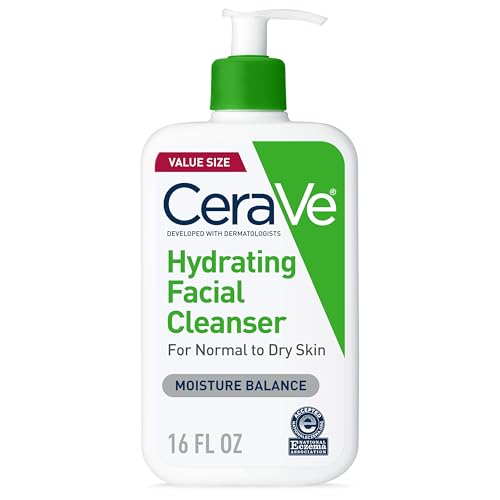
No. Forcing all three into a daily routine is one of the more common ways people overspend. You end up with an overloaded routine that doesn't actually perform better than a simpler one. A reasonable minimum is a cleanser, a hydrating toner, and a moisturizer, full stop. That covers most people's baseline hydration needs. Add a serum when you have a specific concern you're targeting. Dark spots, fine lines, or persistent dullness are good examples, when a dedicated active ingredient is well-suited to address them. Add an essence when your skin is well-hydrated already. Reach for it when you're chasing an incremental improvement in texture or glow rather than solving an acute problem. It's the step with the weakest case for being necessary, even though it has a devoted following.
A Simple Way to Decide: Hyaluronic Acid, Glycerin & Betaine First
If you're building a routine from scratch, start simple. Use a cleanser, then a hydrating toner built around hyaluronic acid, glycerin, and betaine. Add a moisturizer, and sunscreen in the morning. That's a complete, defensible routine on its own. Add a serum once you've identified a specific concern worth targeting with a concentrated active. Add an essence last, if at all. Do this once your skin is responding well to the basics and you want an extra step for texture or glow. Building in that order, need first and want second, keeps a routine from becoming expensive and complicated for the sake of having more steps rather than better results.