Hyaluronic Acid, Sodium Hyaluronate & Glycerin: The Core Humectants
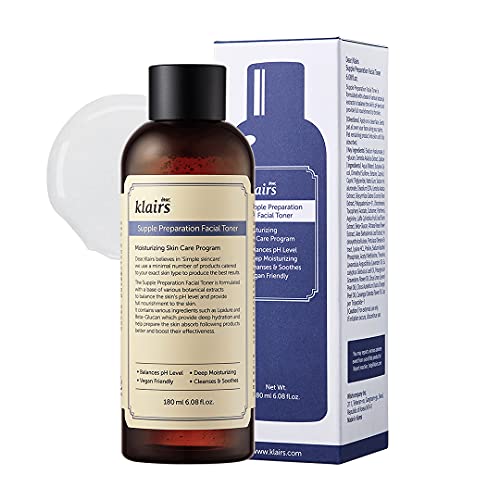
A hydrating toner or essence exists to deliver water-binding humectants to freshly cleansed skin. Look for hyaluronic acid, often listed as sodium hyaluronate, near the top of the ingredient list. Glycerin is another reliable humectant found in nearly every formula in this category. Both pull water into the skin's surface. That primes skin to absorb serum and moisturizer more evenly.
Betaine, Panthenol & Beta-Glucan for Sensitive Skin
Betaine, panthenol, and beta-glucan are gentler humectants that show up often in formulas built for sensitive skin. Panthenol (provitamin B5) has a mild soothing reputation. Beta-glucan does similar work while feeling lightweight on the skin. These three ingredients matter most if your skin reacts easily to new products.
Fermented Ingredients: Galactomyces, Snail Mucin & Rice Ferment
Fermented ingredients show up often in essences specifically. Galactomyces, snail mucin (snail secretion filtrate), and rice ferment are the three you'll see most. They're prized for a softer, slightly plumper finish over consistent use. That said, the evidence for their standout benefits over plain humectants is thinner than the marketing suggests.
Toner vs. Essence: pH-Balancing Prep vs. the Bridge Step
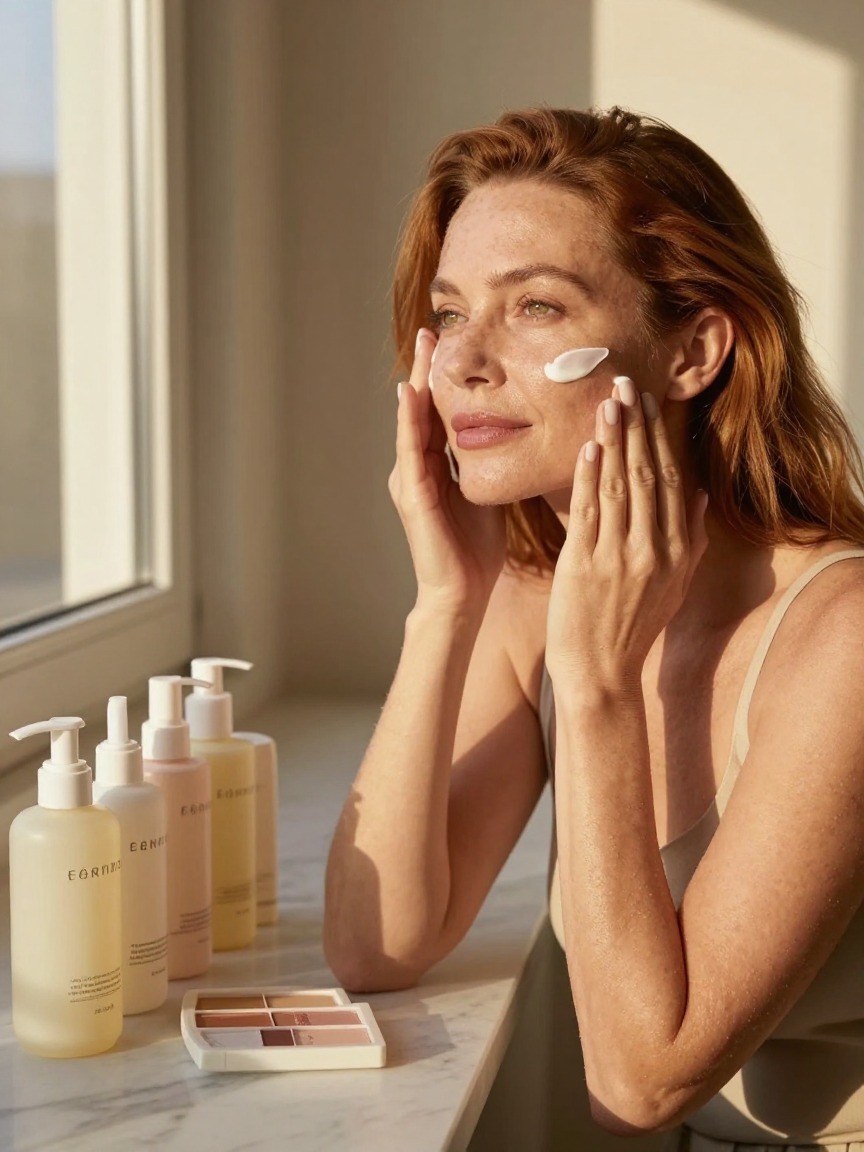
The line has blurred, but a rough distinction still holds. A toner is thinner and pH-balancing, applied with a cotton pad or patted in by hand right after cleansing. Its main job is hydration and rebalancing skin post-cleanse. An essence is a step up in richness. It's almost always patted in with the hands, sitting between toner and serum, with a slightly higher concentration of fermented or active ingredients meant to work over weeks, not minutes. You don't strictly need both. A good hydrating toner alone covers most people's needs. Adding an essence is a nice-to-have layer for anyone chasing extra glow or dealing with rough, dehydrated texture.
Choosing by Skin Type: Dry Skin, Oily Skin & Sensitive Skin
- Sensitive or reactive skin — pick fragrance-free, alcohol-free formulas with a short ingredient list. Test on your inner arm first if the product contains rosewater or plant extracts, since natural doesn't mean non-irritating.
- Dry or dehydrated skin — look for layered humectants (hyaluronic acid plus glycerin plus a ceramide or oil further down the list). Plan to seal with a moisturizer immediately after. Humectants alone can pull moisture out of skin in dry climates if nothing traps it in.
- Oily or acne-prone skin — thinner, water-based formulas absorb faster and won't feel heavy. Avoid versions with high alcohol content that can trigger a rebound oil response.
- Combination or normal skin — most well-formulated hydrating toners or essences work fine. The deciding factor is usually texture preference and how it feels under makeup.
Fragrance-Free & Alcohol-Free Formulas for Reactive Skin
If your skin is reactive, fragrance-free and alcohol-free formulas are the safest starting point. Fragrance, even from natural botanical extracts like rosewater, can still trigger a reaction. Alcohol-based formulas can strip skin and undercut the hydrating point of the product. Read the ingredient list rather than trusting a "gentle" or "natural" label on the front of the bottle.
The Korean 7-Skin Method for a Dewy, Glass-Skin Finish
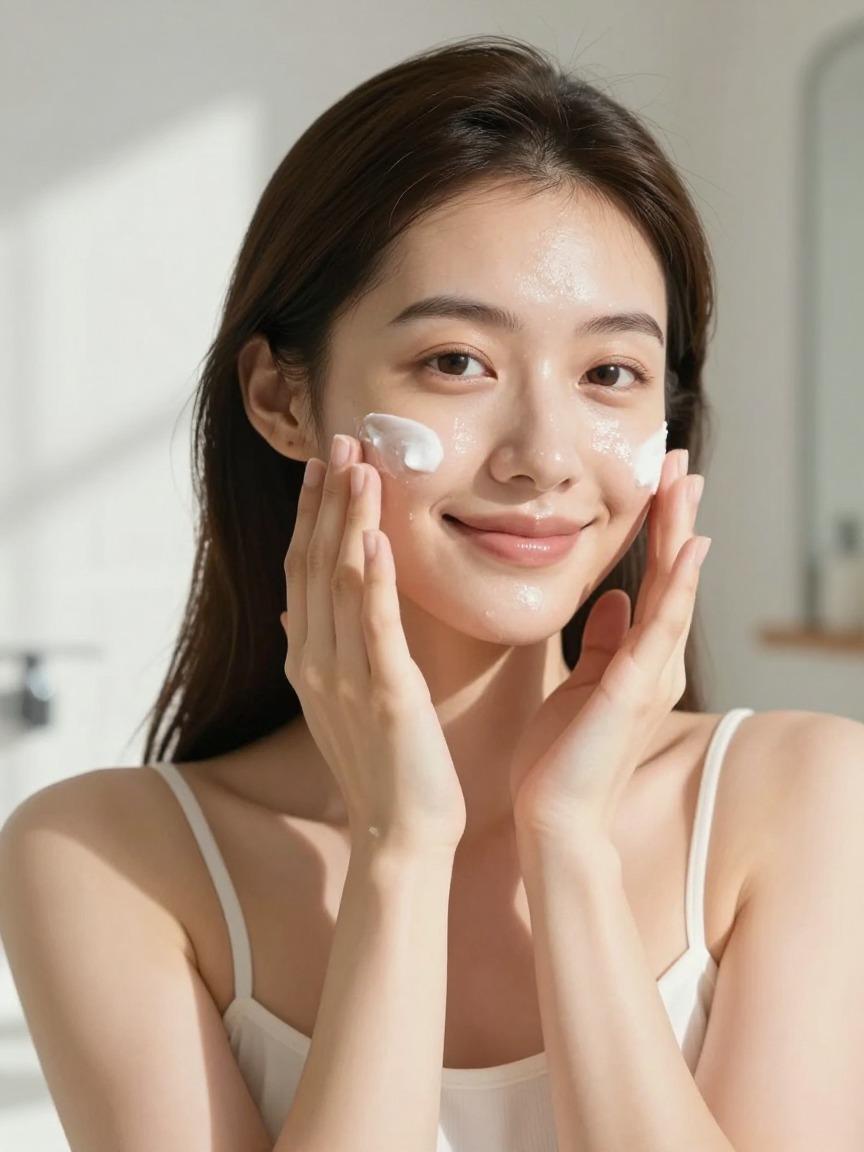
The Korean 7-skin method layers a thin hydrating toner several times in a row instead of applying one heavier layer. The goal is a dewy, glass-skin finish built up gradually. Each thin pass gets a moment to absorb before the next goes on. Most people find three to five layers gives a noticeable boost without needing the full seven.
Common Mistakes: Skipping Moisturizer After a Hydrating Toner
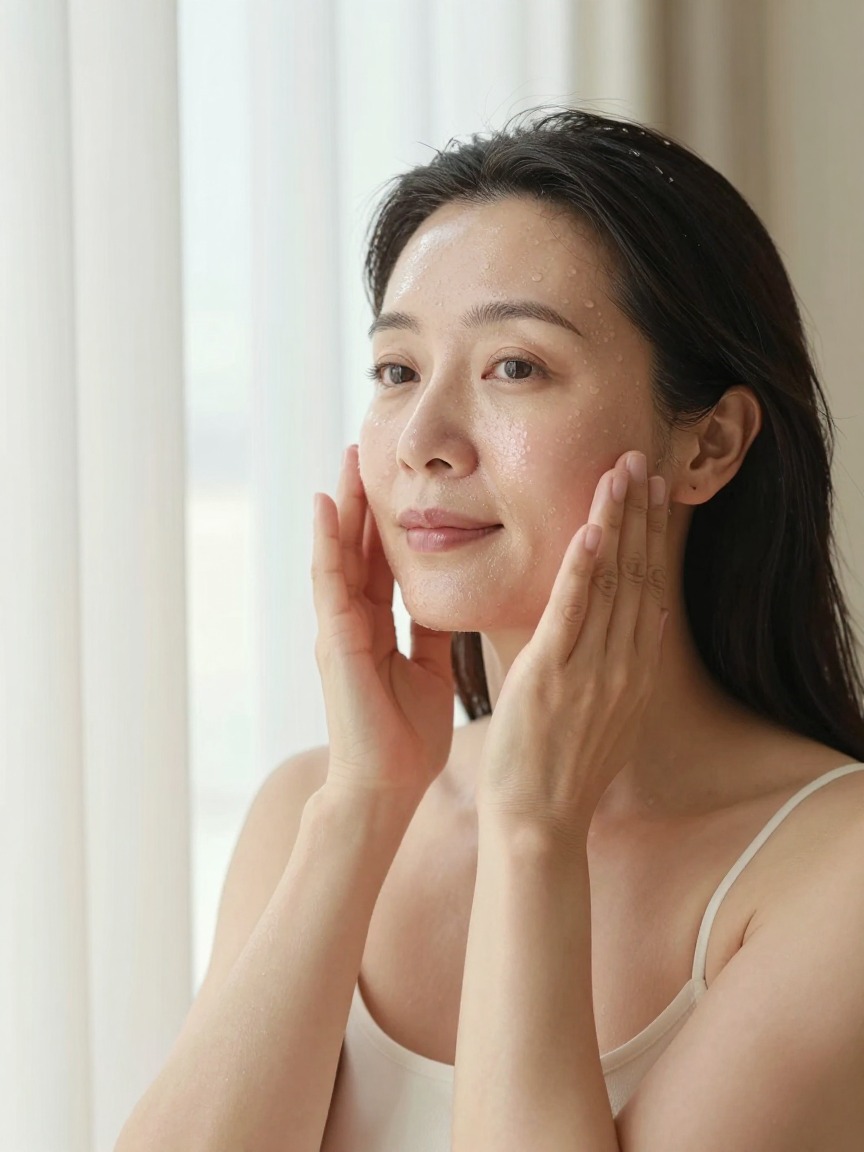
The biggest mistake is skipping the moisturizer step afterward. A hydrating toner or essence pulls water to the skin's surface. Without an occlusive or emollient moisturizer on top to seal it in, that water can evaporate. Skin can end up feeling drier than before you started. The second mistake is applying to fully dry skin instead of slightly damp skin. Patting a humectant-rich toner onto towel-dried, still-damp skin helps it spread and absorb more evenly. The third is confusing a hydrating toner with an exfoliating or acid toner. The two categories do very different jobs. If you're dealing with persistent redness, breakouts, or a reaction that doesn't clear up after switching products, that's worth a dermatologist visit rather than more trial and error with toners.
Spending vs. Saving on a Hydrating Toner or Essence
For most people this is a save-not-splurge category. A simple, well-formulated humectant toner does the core job whatever it costs, so a budget hyaluronic acid option is a smart starting buy. Reserve the money for a fermented essence only once you've confirmed plain humectants aren't enough for your skin.